Alessandro Vittoria (1524/25–1608) by Paolo Veronese
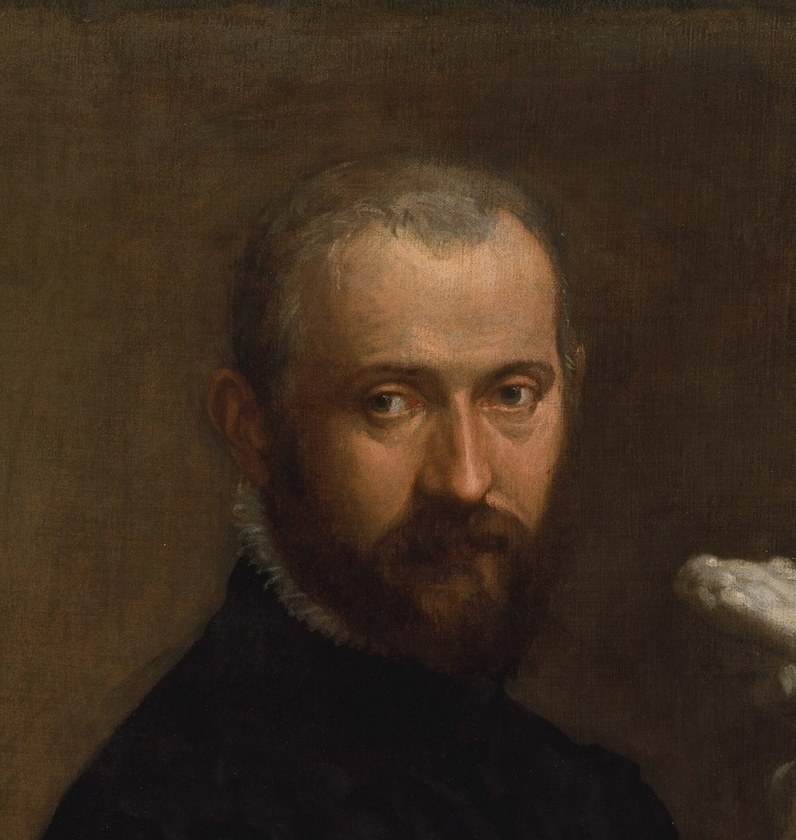
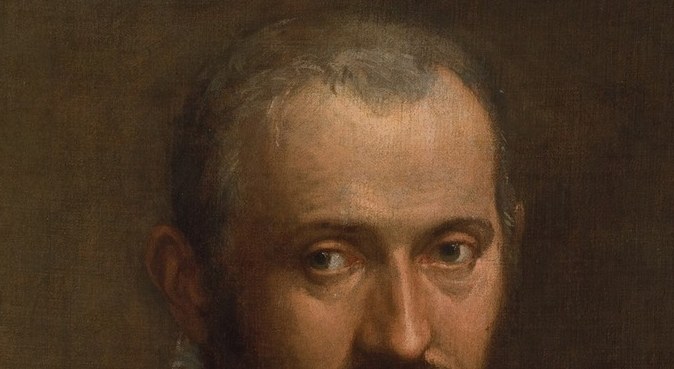
Paolo Veronese's portrait of the sculptor Alessandro Vittoria, painted around 1580, is now in the Metropolitan Museum of Art. It shows a man holding the two halves of his own creative life, the finished ideal and the broken fragment, and looking straight at you while he does it.
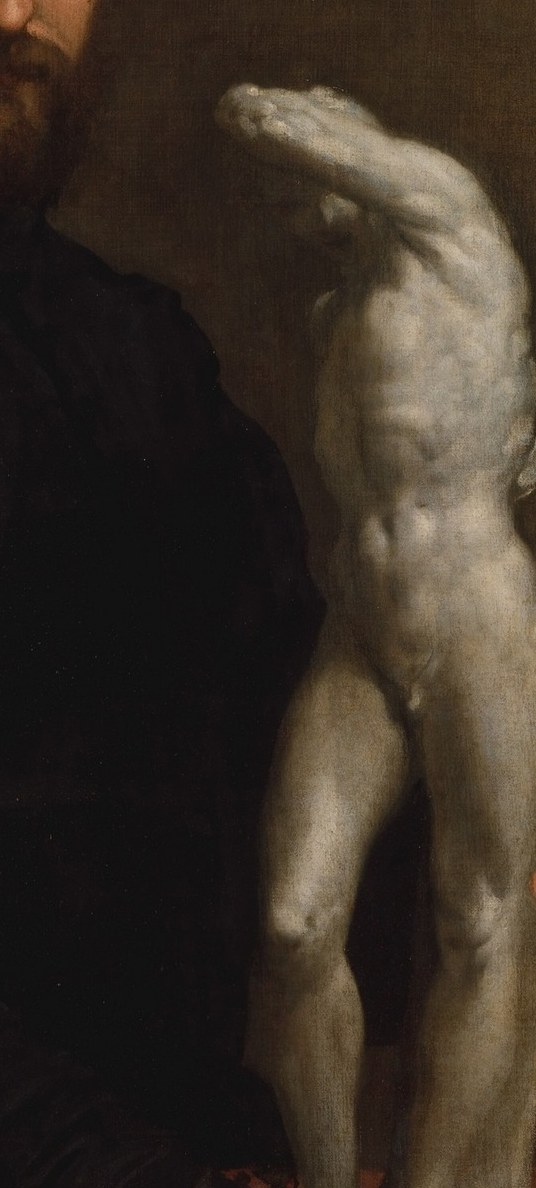
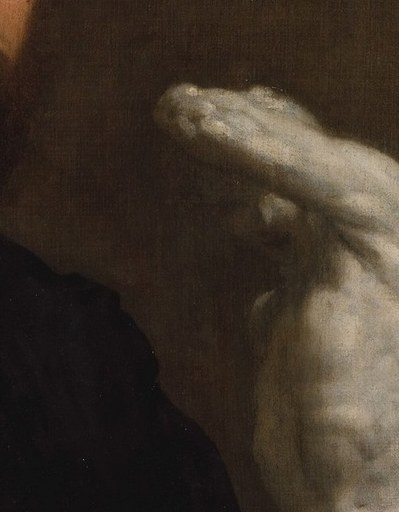
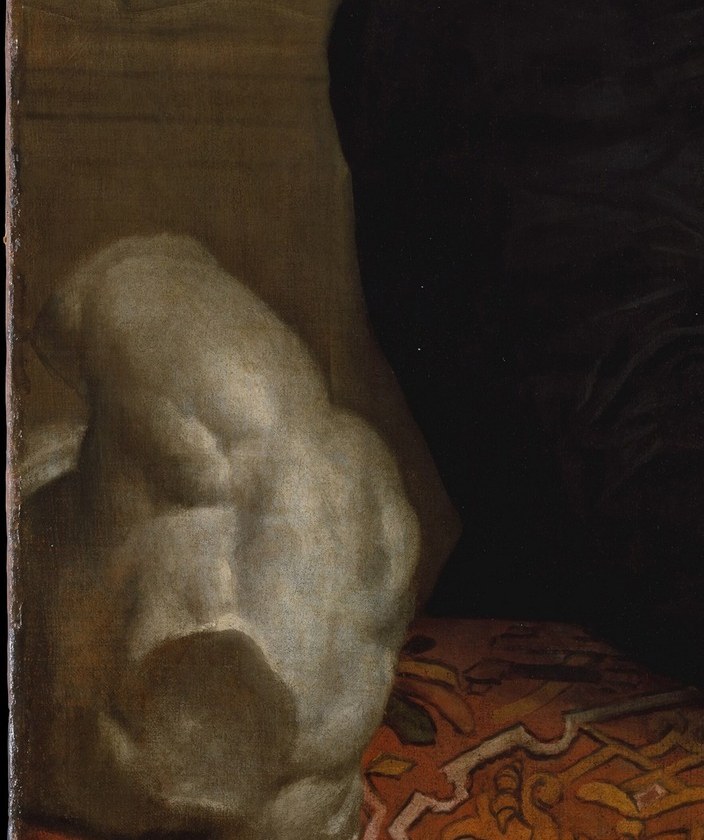
Vittoria was Venice's leading sculptor in the late 1500s. Here, Veronese gives him a statuette in one hand: a small, perfectly finished nude male figure. The other hand rests on a large fragment of a marble arm or torso, visibly broken. The contrast is the point. One side is the polished public object. The other is the studio floor, the pieces that don't work out, the half-carved stone, the labor nobody sees.
The portrait stayed in Vittoria's possession until his death in 1608. He commissioned it, he kept it, and he paid for a painter who understood exactly what should go on that table. This is not a generic artist-with-his-tools picture. It is a man arranging the evidence of his own process and then daring you to draw a conclusion.
Details
Transcript
He was the most famous sculptor in Venice. Veronese painted him holding his own work. A small marble figure. Perfectly finished. Now look what his other hand rests on. A broken arm. Unfinished. Abandoned. One hand shows the ideal. The other, the reality of the studio. Vittoria kept this portrait until he died. He knew what it meant.