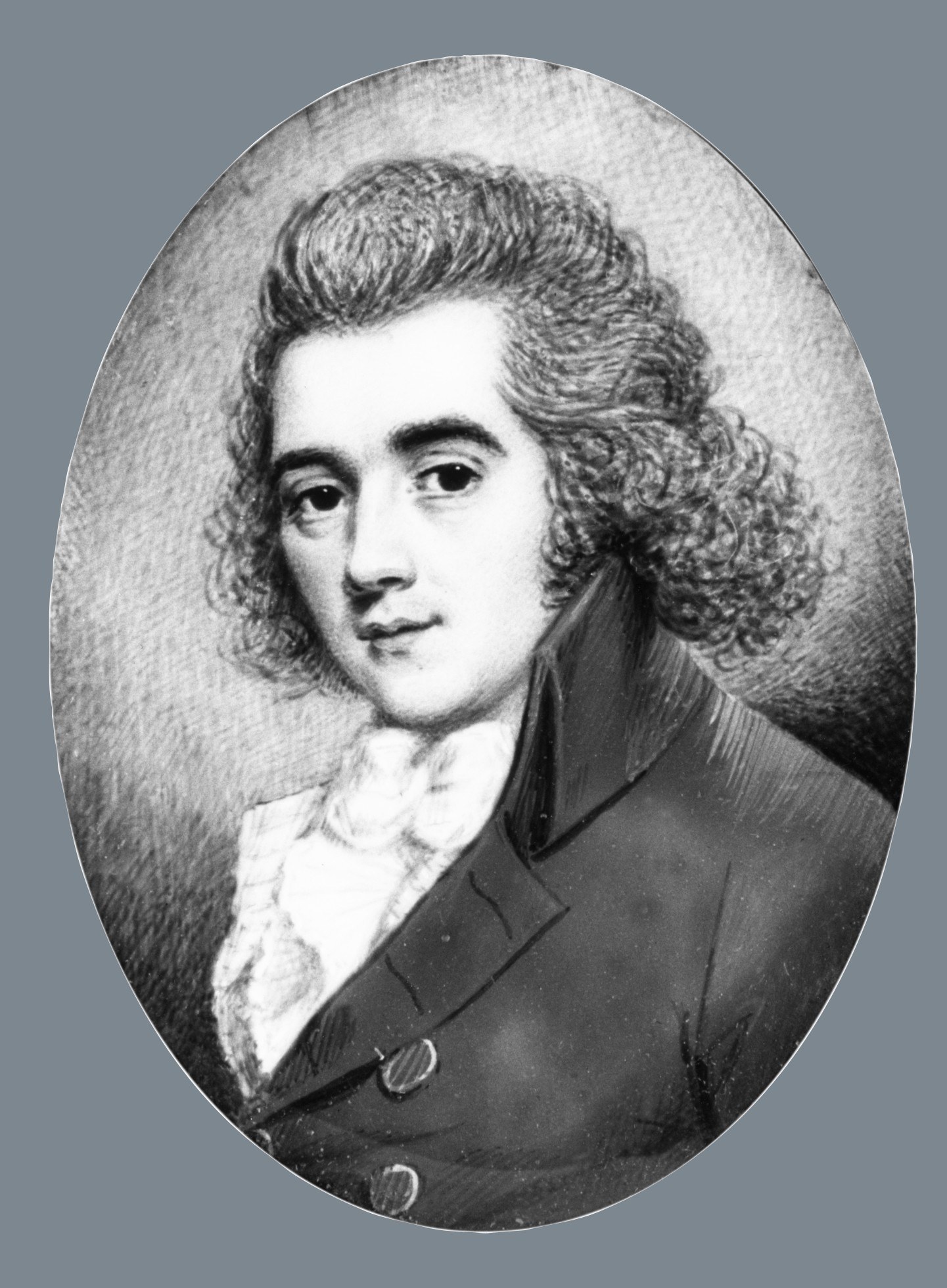
William Paulet Carey (1759–1839) by http://www.wikidata.org/.well-known/genid/eff68a9448bf7659223db6474b096ec8
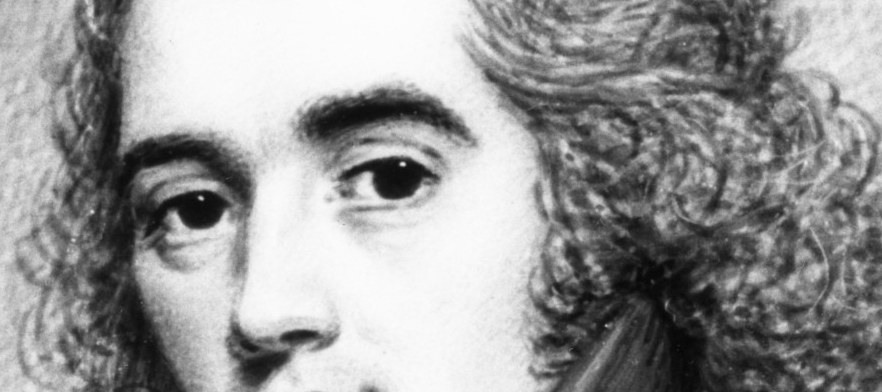
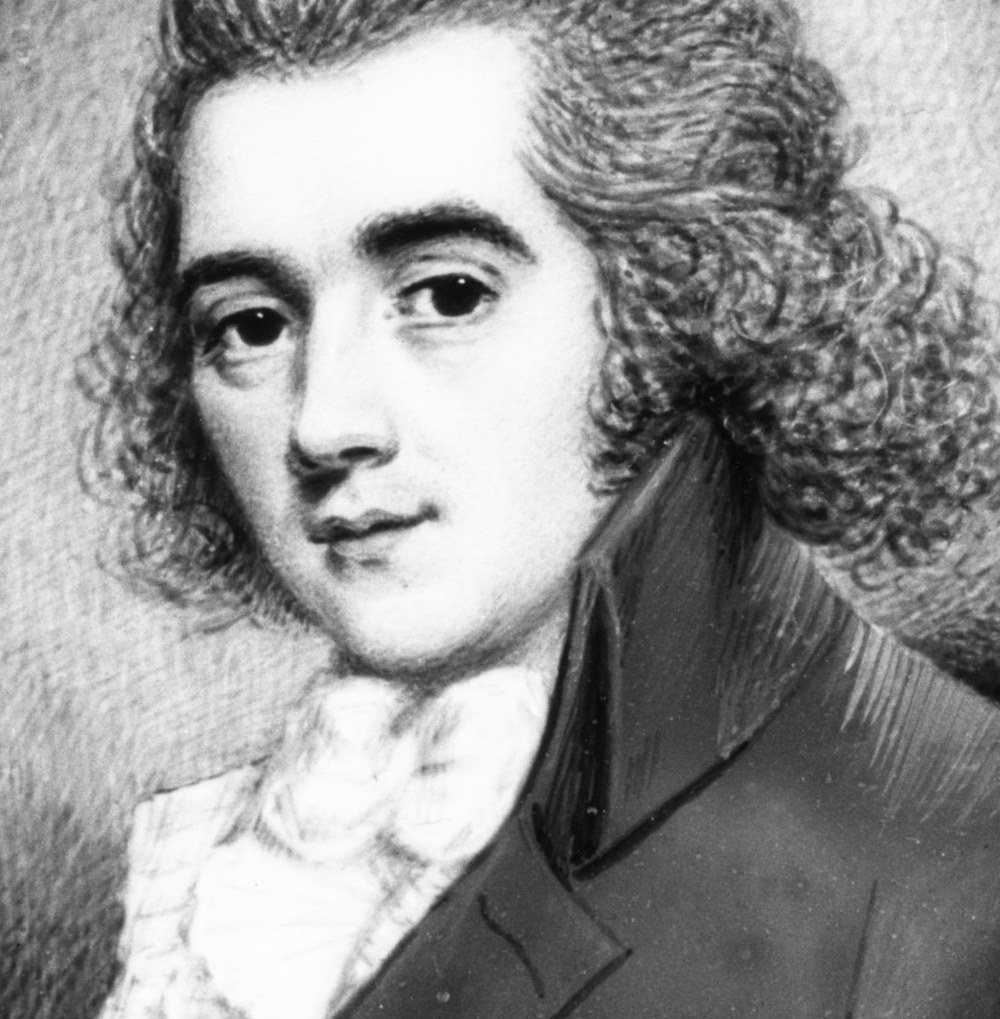
This is a portrait of William Paulet Carey, painted around 1800 by an unknown artist. It hangs in the National Gallery of Ireland, and for nearly two centuries it held a secret no wall label ever explained.
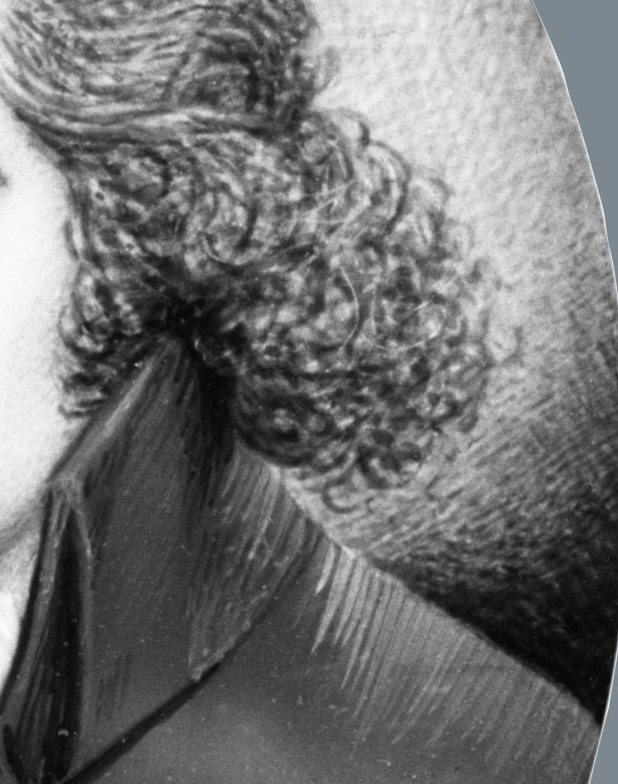
Carey was an Irish print-seller and writer who became one of the most respected art critics of his day. But in 1800 he was a married father with a quiet, consuming love for a woman he could never be with, the wife of his closest friend. The long curled strand of hair beside his face is not just fashion. It was called a lovelock, a deliberate, coded signal of romantic devotion in the late eighteenth century. He wore it for her.
He sent this very portrait to the woman he loved, unsigned, a private object meant only for her. She kept it all her life. The oval format was itself a message: this was an intimate keepsake, not a public statement. Carey gazes not at us but slightly away, into a space only she occupied.
He outlived her and never wrote publicly about the affair. The story survived only in private papers. The portrait remains, a quiet object that once mattered more to two people than any exhibition review ever would.
What do you think he was feeling the moment he sent it?
Details
Transcript
He looks past us with a strange, warm calm. William Paulet Carey. A Dublin print-seller who became an art critic. In 1800 he was a married man with children. And he was deeply, quietly in love with his best friend's wife. The dangling curl beside his face was called a 'lovelock'. A coded signal of devotion, worn by a man who dared not speak. He sent her this portrait. She kept it until she died.