Still Life with Flowers and Fruit by Huysum, Jan van
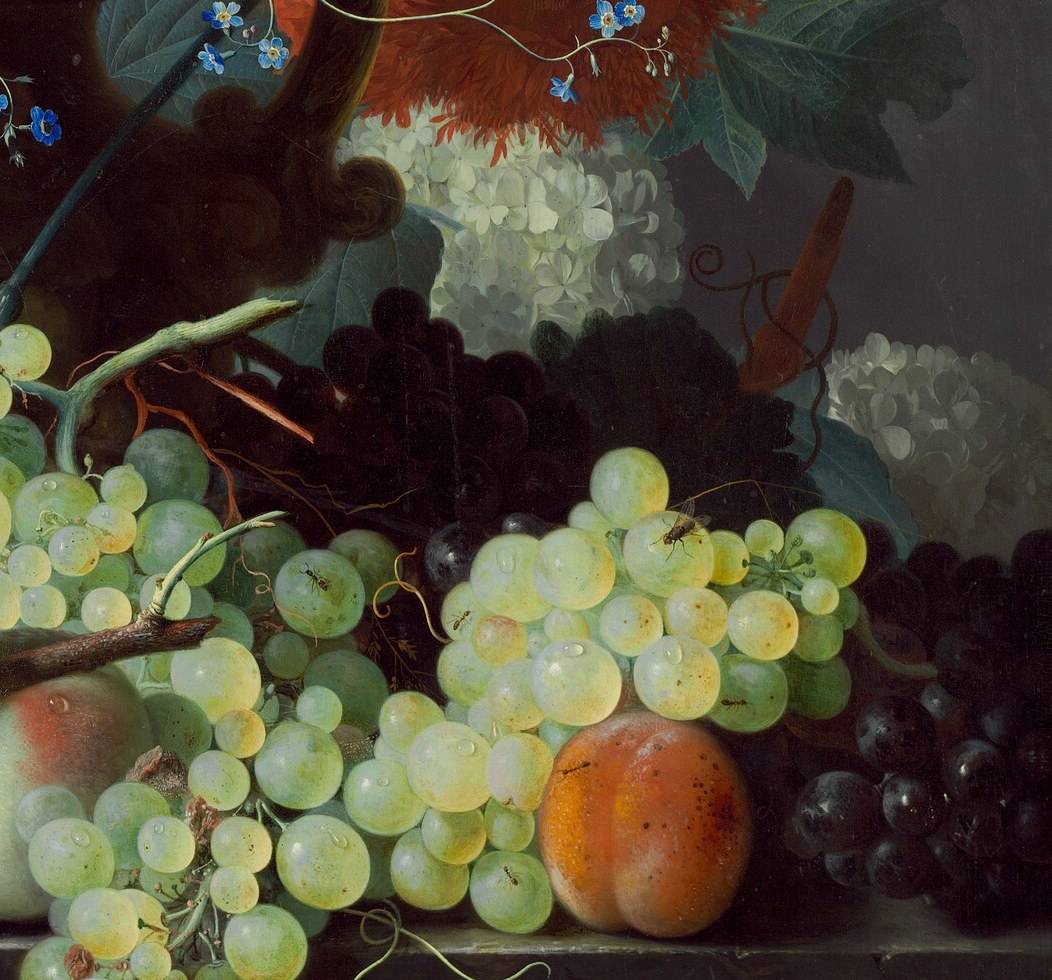
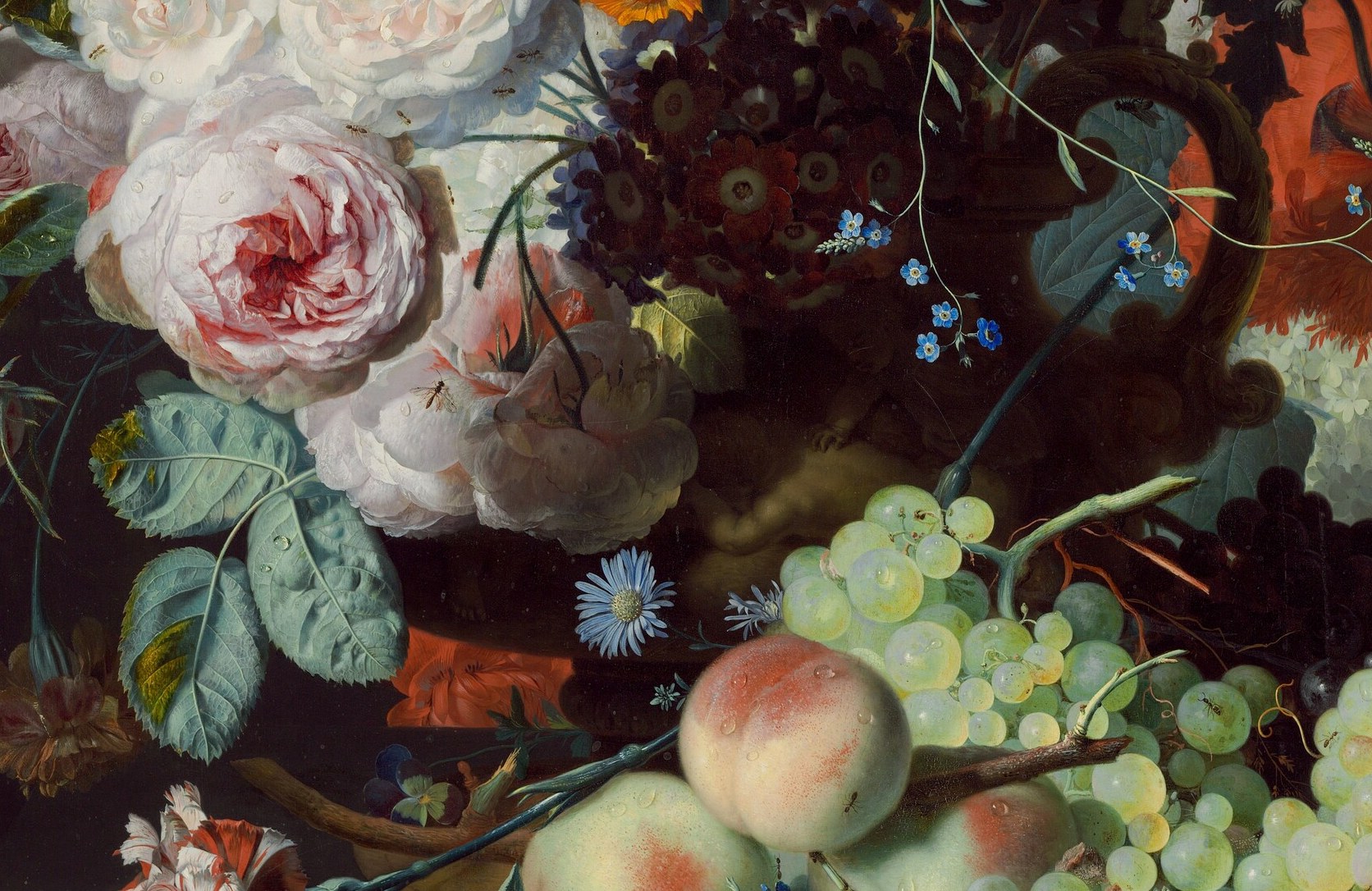
This is Jan van Huysum's Still Life with Flowers and Fruit, painted around 1715. The paradox of this luminous work is that its beauty has repeatedly made it a target for plunder.
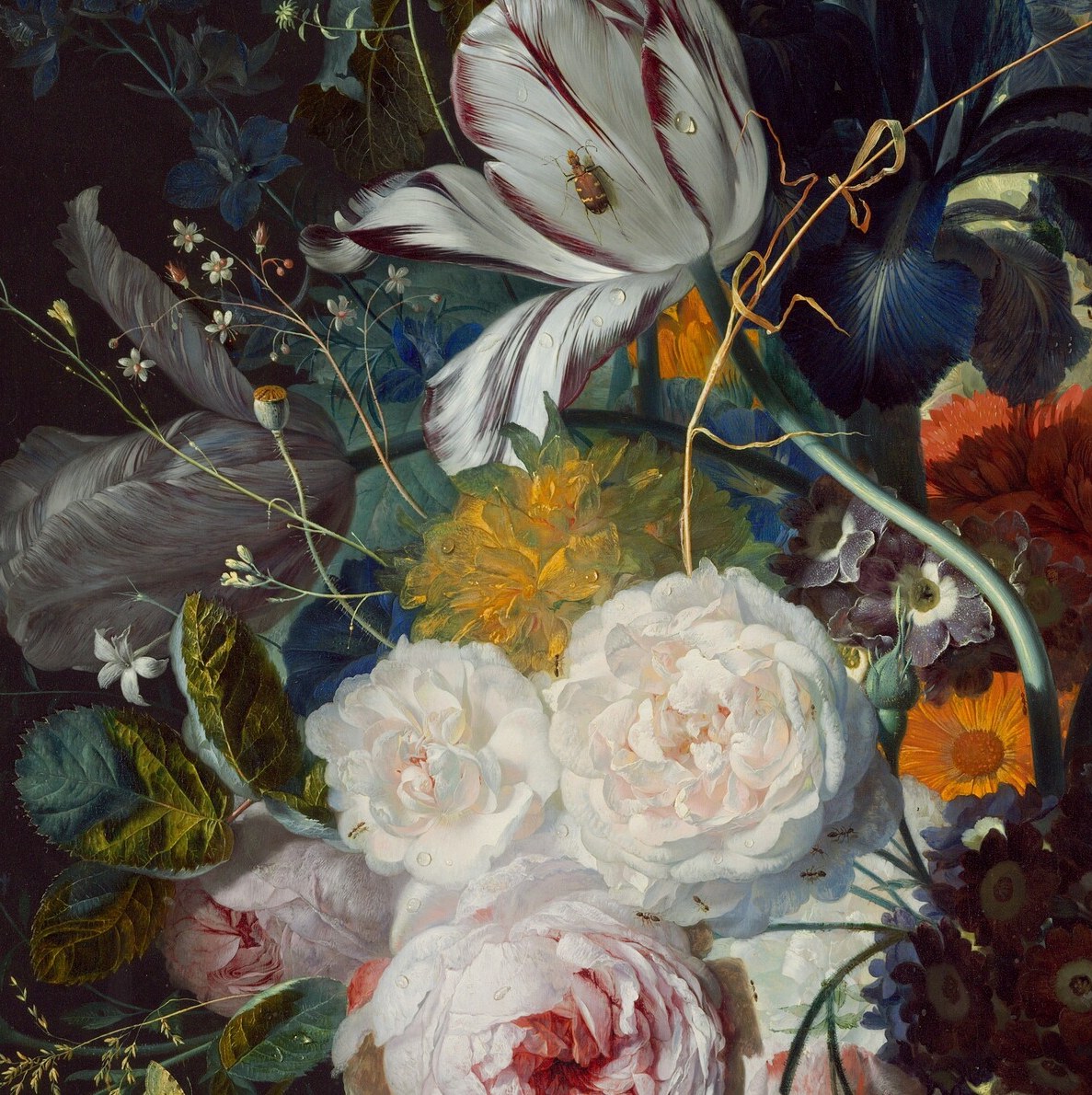
Look closely at the white peony in the center. Van Huysum achieved that near-porcelain glow through a guarded glazing technique, applying thin, translucent layers of oil paint to make the petals seem lit from within. Rumors of his secrecy were so established that his biographer Arnold Houbraken claimed he refused to let even his own brothers enter his studio, fearing they would copy his method.
During the Second World War, the painting was seized and hidden in a salt mine by German troops. After its recovery by the Allied Monuments Men, it became the subject of a bitter custody fight. The German state argued it had legally purchased the work, forcing a settlement that kept it out of public view for decades. Only a sustained legal campaign returned it to its rightful ownership.
A picture this still has never had a quiet life. What do you see in the silence of the petals that so many fought to possess?
Details


Transcript
This painting does not look like a crime scene. But Jan van Huysum was so protective of his technique, he was rumored to have banned visitors from his studio. He feared a rival would steal the secret of his glowing whites. In 1945, German troops hid this panel in a salt mine. It was found by the Monuments Men. The price for its safe return? A forced sale to the German state. It took decades of legal battles before it finally came back here.