Mrs. John Crosby Brown (Mary Elizabeth Adams, 1842–1918) by Anders Zorn (Swedish, 1860–1920)
This is Anders Zorn's 'Mrs. John Crosby Brown (Mary Elizabeth Adams)', painted in 1900 and held at The Metropolitan Museum of Art. At first glance, it's a formal portrait of a banker's wife, a severe black dress, hands folded in her lap. But Zorn refused to flatter, and he refused to paint empty status. Every object in this picture is a deliberate biographical code.
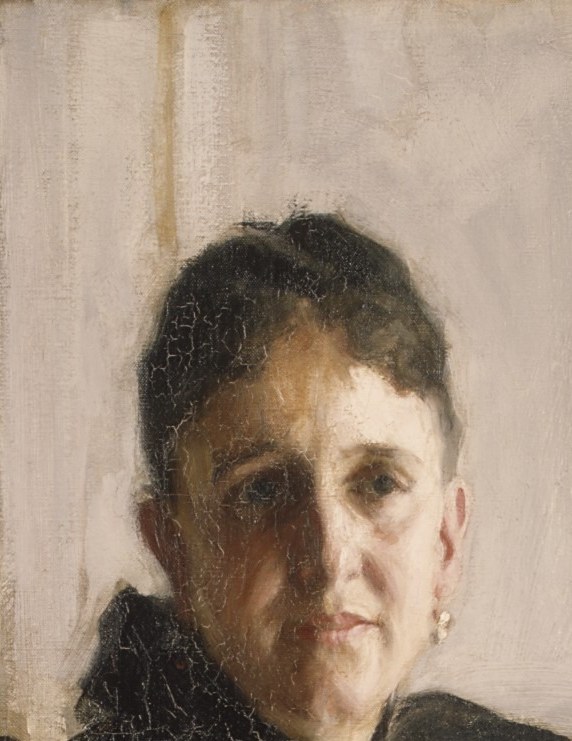
Look at the eyes first. Zorn rendered them in just a few candid, unblended strokes. They are alert and unwilling to perform for the viewer, the psychological weight of the whole portrait lives there. Then drop to the clasped hands, a classic Zorn anchor that signals self-containment rather than nervousness.
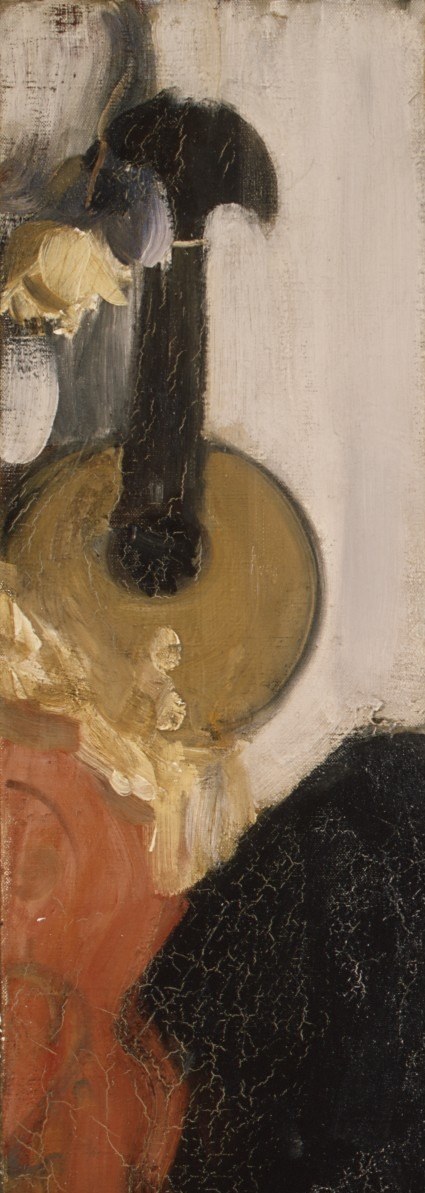
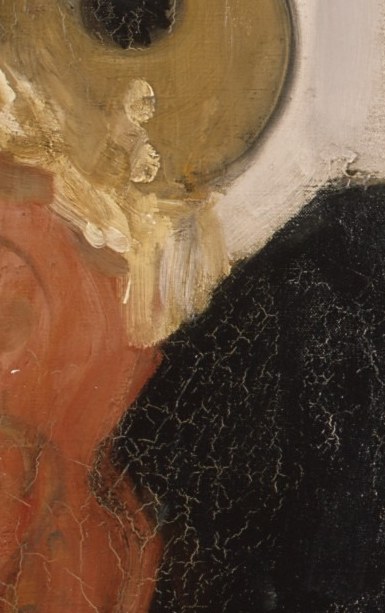
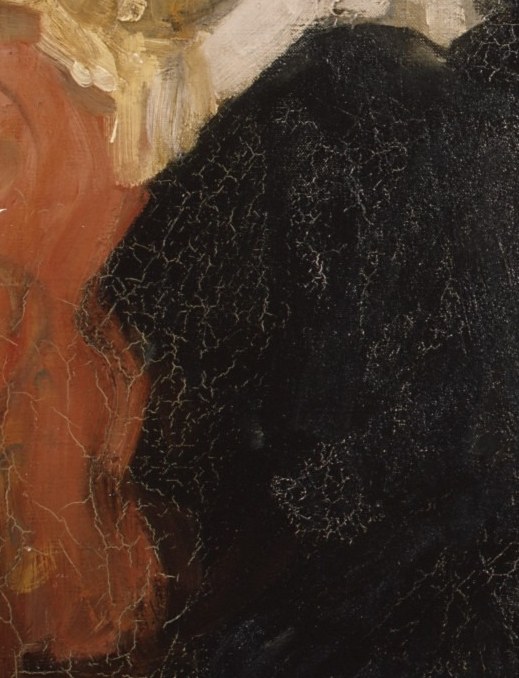
Behind her, leaning against the spare cream wall, is a guitar. Mary Elizabeth Adams Brown was known for her serious musical interests, and Zorn included the instrument to quietly shift the portrait's meaning: she is not simply money married to money. She is a cultivated woman. He painted the guitar's body with the same thick impasto strokes as her sleeve, making it feel present and weighty rather than decorative.
Zorn, a Swede who painted three American presidents and Swedish royalty, was at the height of his international fame here. The direct light, the economy of color, the refusal of flattery, all of it is a lesson in letting character dominate over vanity. What do you think the guitar meant to her?
Details

Transcript
A severe black dress. Folded hands. She looks like a banker's wife. But Anders Zorn refused to flatter anyone. Look at her eyes. He painted them in a few candid strokes. Alert, unyielding, real. Now look behind her. Something is leaning against the wall. It is a guitar. She was known widely for her musical cultivation. Zorn painted it with the same thick, confident strokes as her sleeve. The guitar isn't decoration. It's the code for a life of the mind.