Virgin and Child by http://www.wikidata.org/.well-known/genid/08ef1d441477bc6e464e2144fdbe49c4
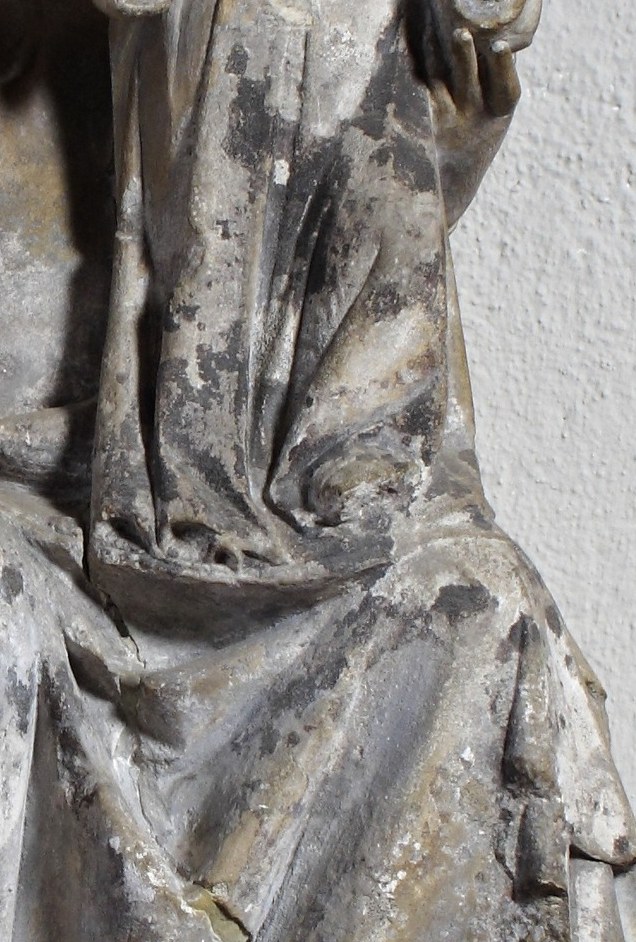
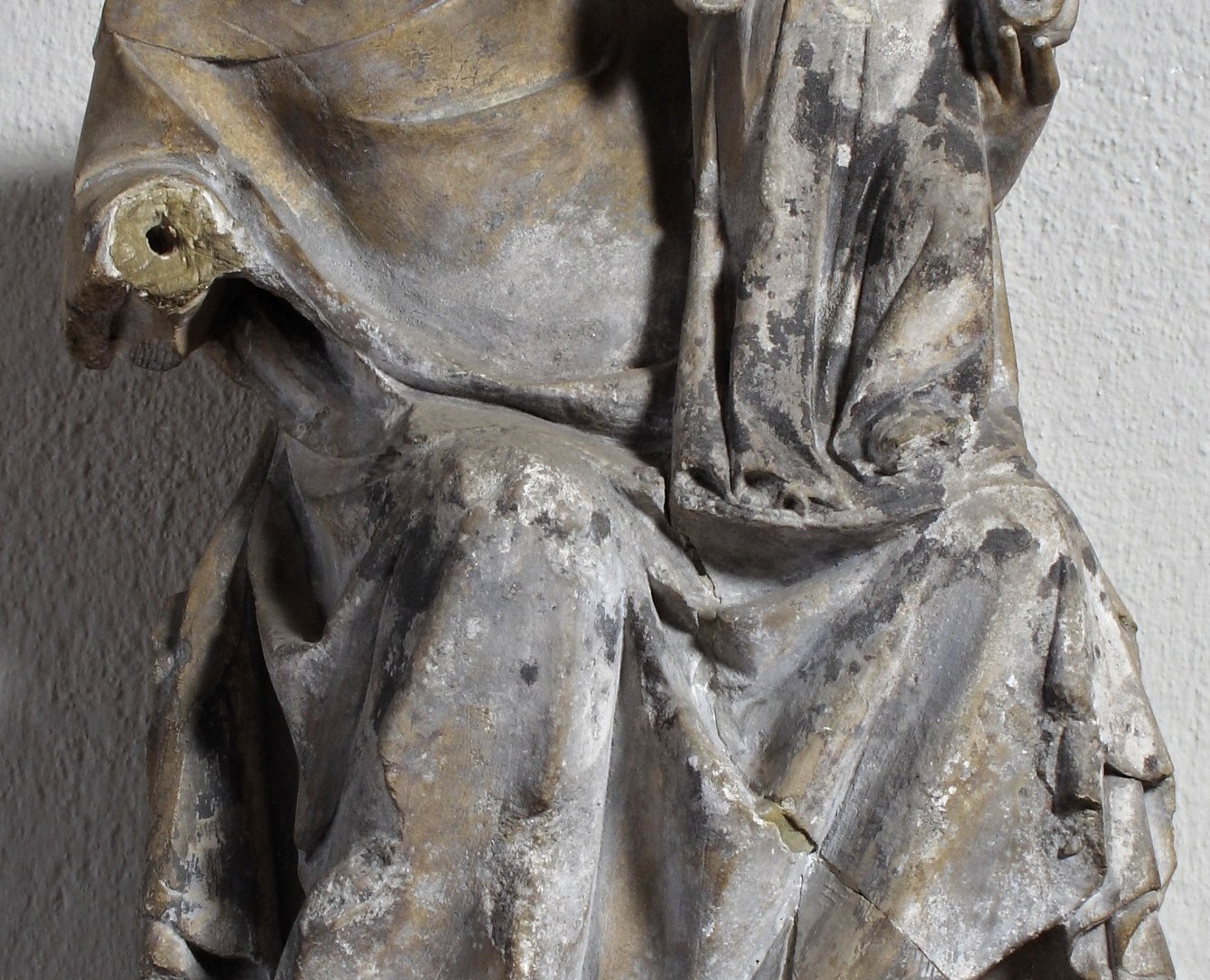
This Virgin and Child sculpture, dating to around 1350, might appear damaged at first glance due to the absence of the mother's head. However, this is not necessarily the result of accidental breakage or iconoclasm, but rather a deliberate design choice common in medieval sculpture.
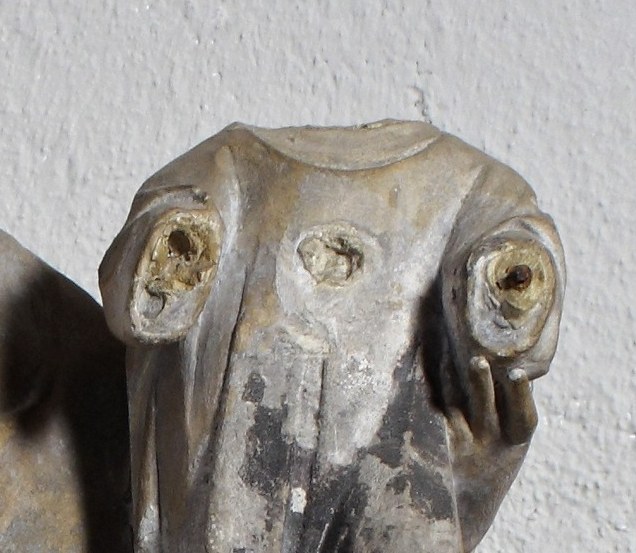
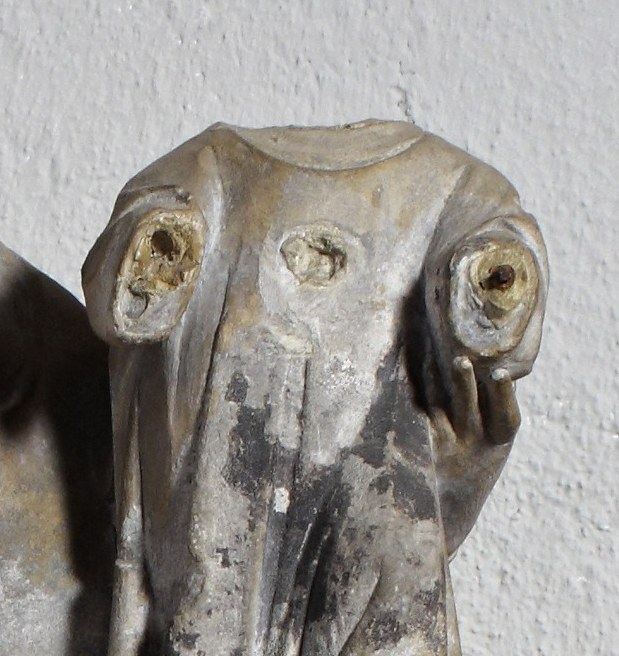
Look closely at the distinct circular hole in the mother's neck. This indicates that the head was carved as a separate piece and then fitted onto the body. This technique allowed for greater flexibility, enabling heads to be replaced if damaged or even customized for different patrons or settings.
While the specific reason for this particular head's removal or loss is unknown, the method of its original construction offers a fascinating insight into the practicalities of medieval art production. The serene expression of the child, nestled against the mother's headless form, continues to convey a powerful sense of intimacy and devotion.
What details in older artworks make you wonder about their history?
Details
Transcript
This sculpture of the Virgin and Child seems incomplete. The mother's head is completely missing. Look closely at the hole where it would have attached. It was designed to be removable. Heads were often carved separately, then fitted onto bodies. This allowed for replacement or customization. So, her missing head wasn't accidental damage, but a design choice.