Portrait of a Woman by Nicolaes Maes
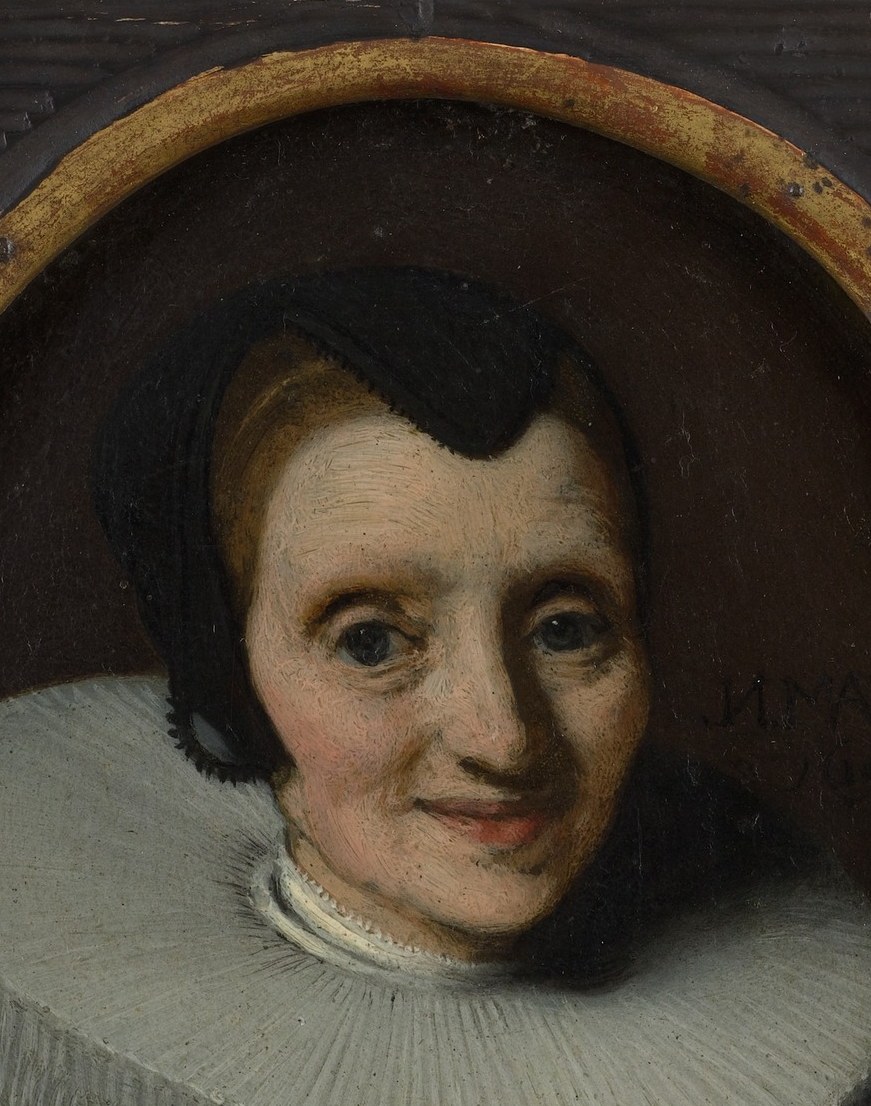
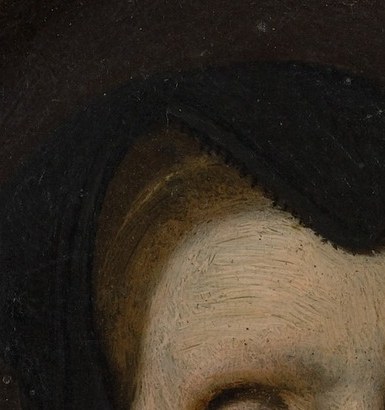
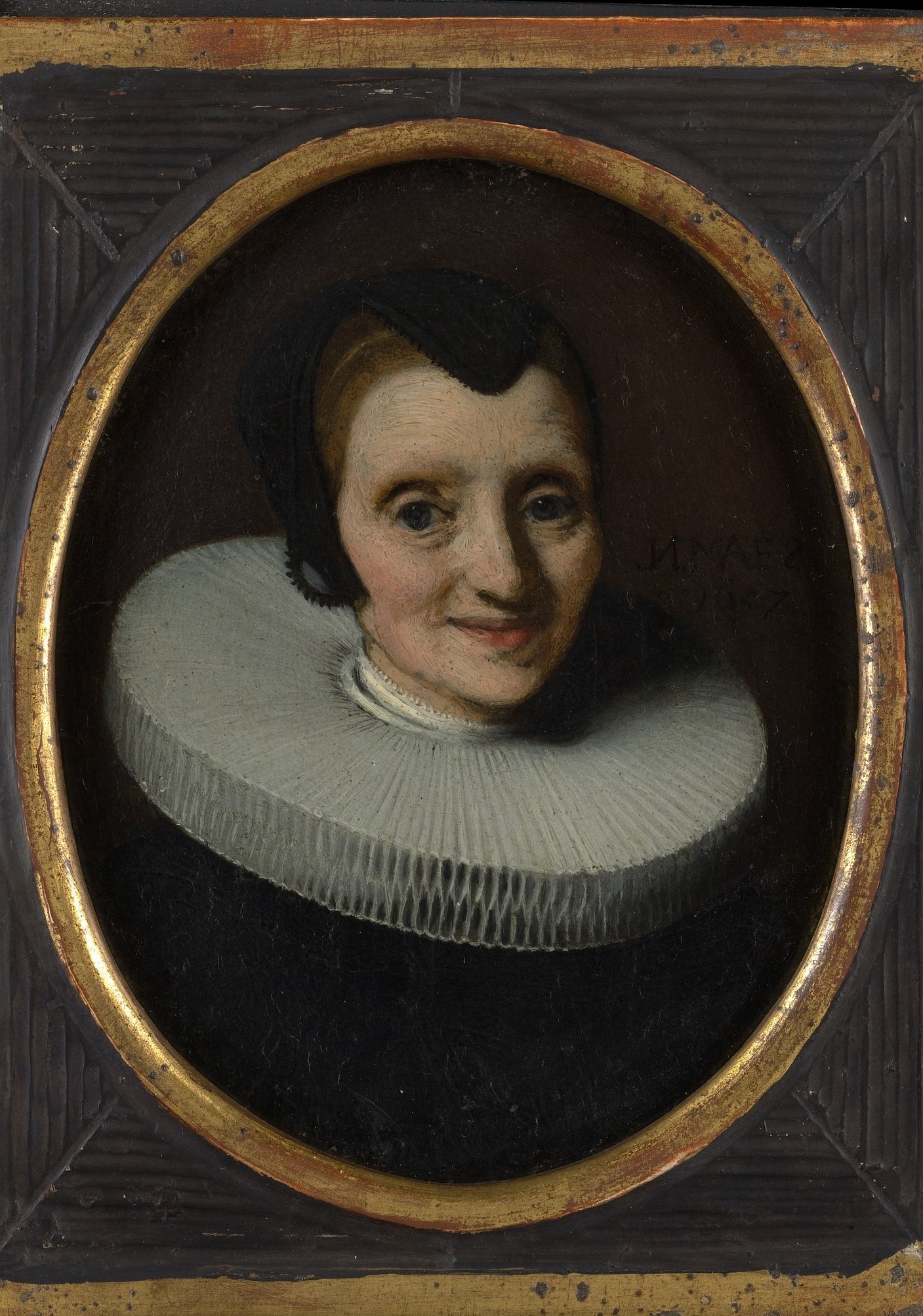
This is Nicolaes Maes’s "Portrait of a Woman" from 1657, painted on copper and housed at The Metropolitan Museum of Art. The real scandal here is one of artistic allegiance. Maes trained under Rembrandt in Amsterdam, then spent twenty years in his native Dordrecht building a reputation for intimate genre scenes and warm, almost confiding portraits like this one.
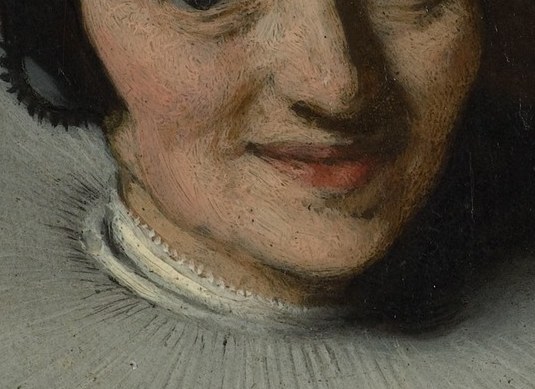
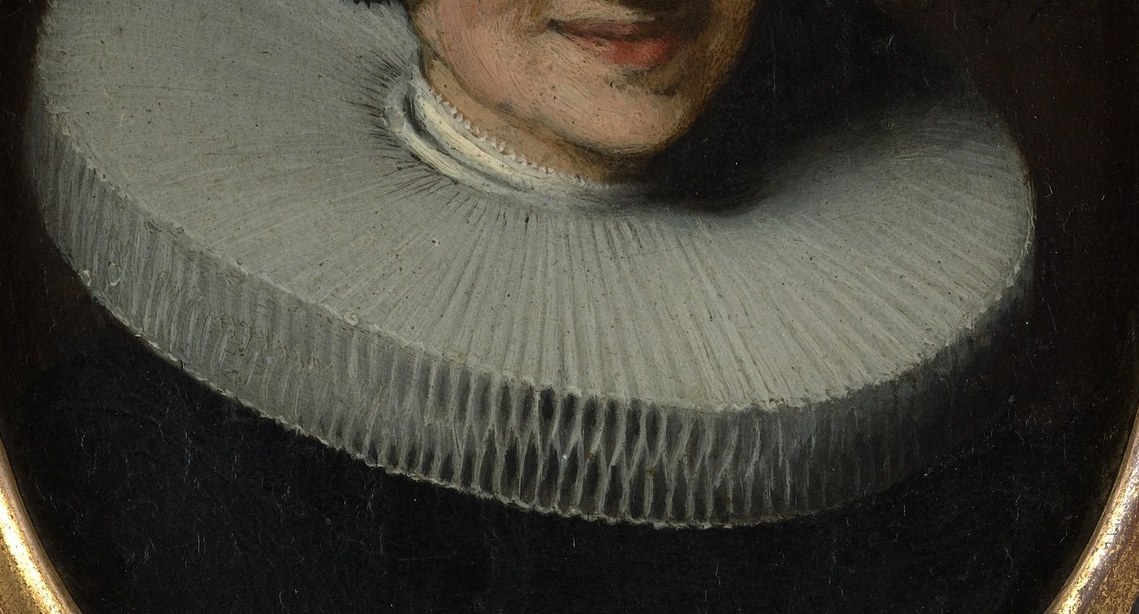
Look at her mouth. In formal Dutch portraiture of this decade, a sitter's lips were expected to remain neutral, a composed, sereneless mask of burgher dignity. Here, the corners lift just perceptibly. Paired with her direct gaze and the moist catchlight in her left eye, the effect is a person caught mid-thought, not a monument to status.
When Maes returned to Amsterdam late in his career, he became the city's leading portraitist, but the style had changed. He adopted a lighter, smoother, more courtly manner influenced by French and Flemish tastes. His former peers grumbled that he had gone soft, abandoning the severe honesty of the Dutch school for what they saw as a sell-out elegance. The warmth that makes this early copper portrait feel alive became, at scale, his professional controversy.
She is unidentified, painted the year before Maes would make his final move back to the capital that would both crown and criticize him. Maybe the smile was the warning.
Details
Transcript
Dutch portraits of the 1650s run on strict formality. Faces were composed. Mouths, sealed. Warmth, an intrusion. This woman almost smiles. It was an unusual choice for a portraitist trained by Rembrandt. His Amsterdam peers later called Maes's new style too soft, too French. A warmth some critics considered a betrayal of the Dutch eye.