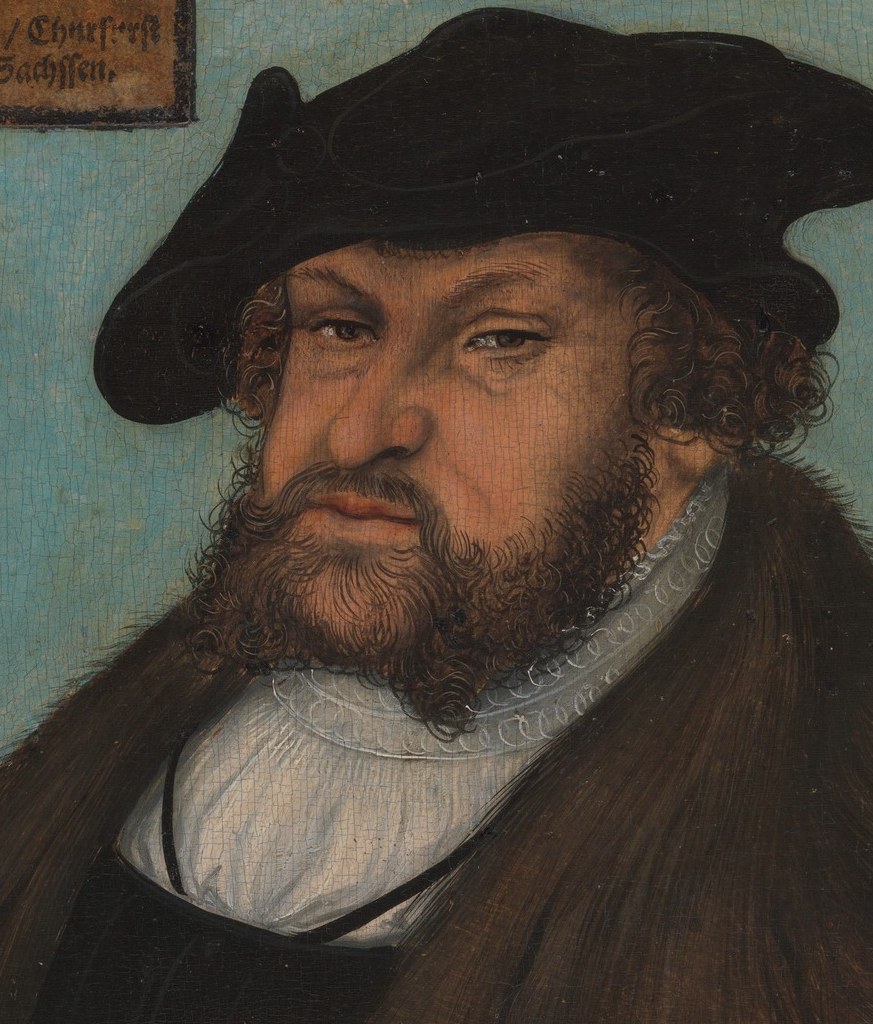
Johann I (1468–1532), the Constant, Elector of Saxony by Lucas Cranach the Elder
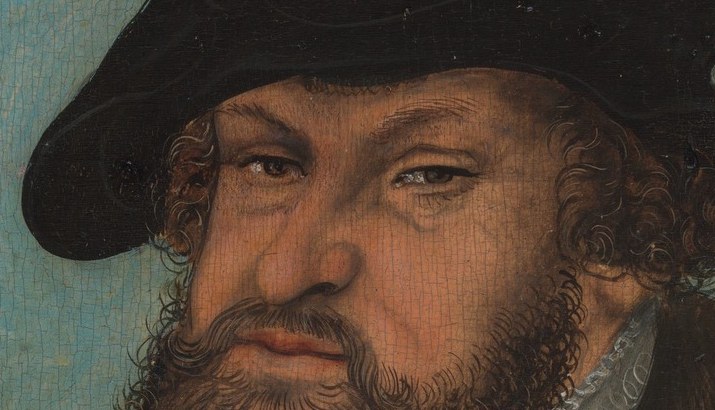
This is Johann I (1468-1532), the Constant, Elector of Saxony, painted by Lucas Cranach the Elder in the final year of the Elector's life.
At first it scans as a standard portrait of power: the heavy black coat, the sober white collar, the unflinching gaze of a man who risked his throne to protect Martin Luther. Cranach, Luther's close friend and the Saxon court painter, knew exactly how to project Protestant gravity.
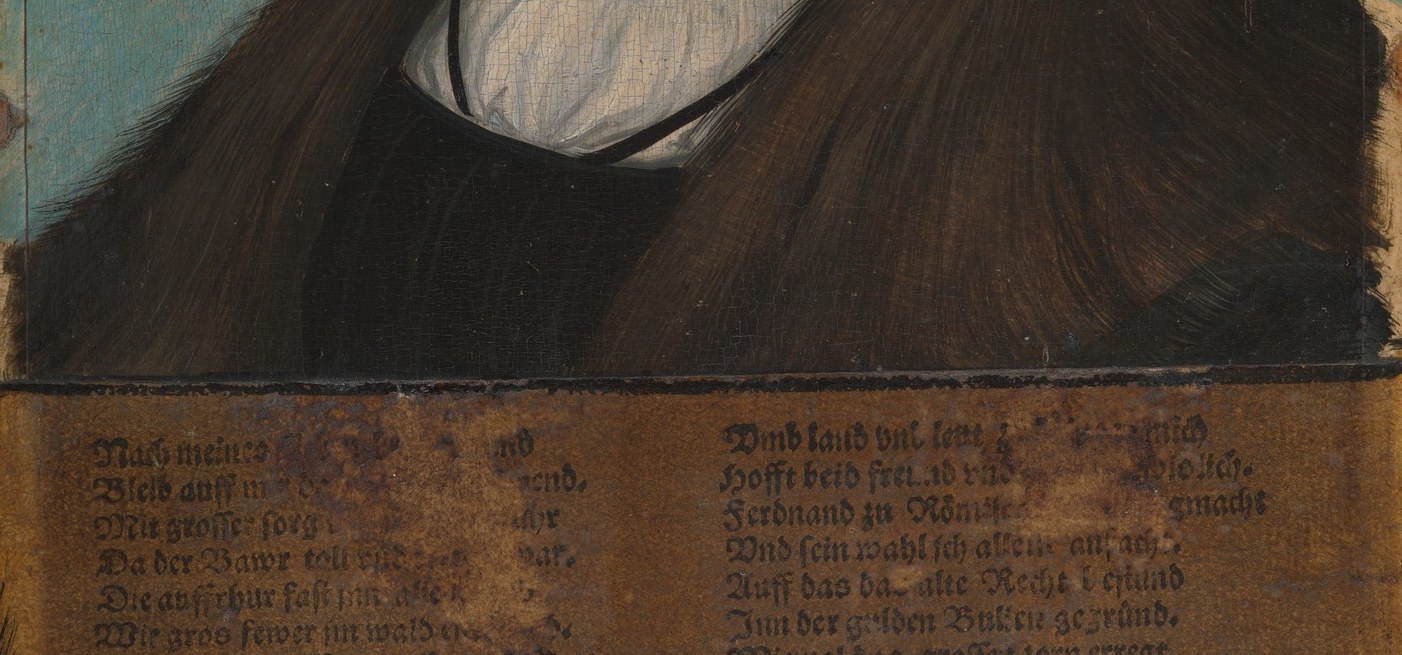
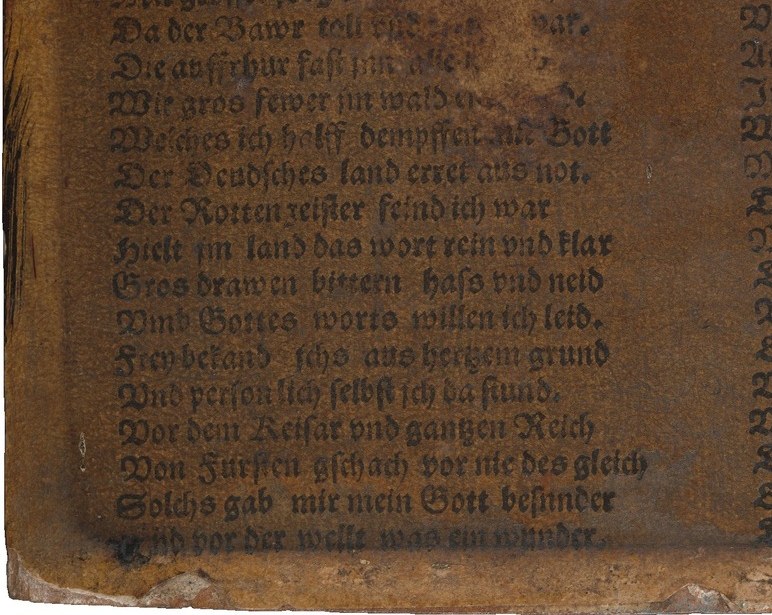
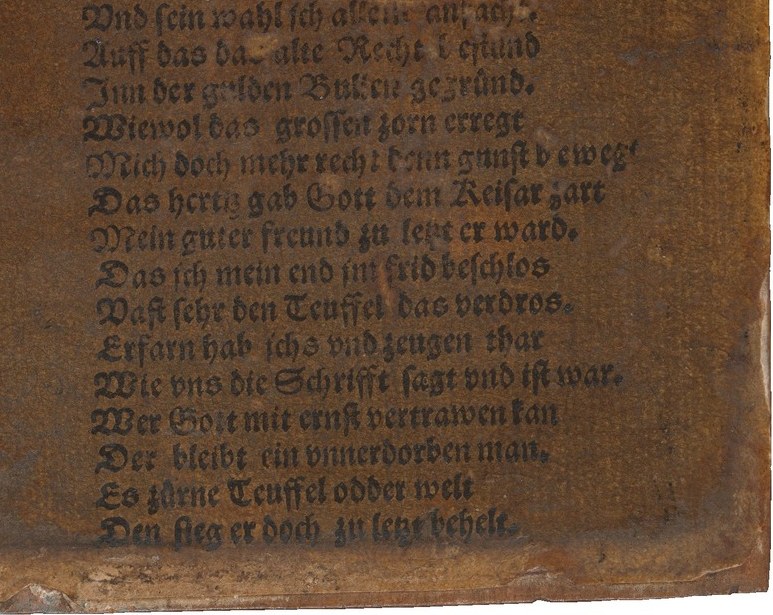
But scroll down. At the bottom of the panel, flanking the composition, Cranach embedded two dense blocks of period text. These are not labels added later; they were painted as part of the work itself. The inscriptions likely run in both German and Latin, recording the Elector's titles, deeds, and the date of his death. The portrait was conceived as an image and a written monument simultaneously.
The painting now lives at The Metropolitan Museum of Art, where the inscriptions remain surprisingly legible. Most people scrolling past only see a stern man in a hat. Now you'll see the words.
Details
Transcript
Johann the Constant, Elector of Saxony. He looks at you with the eyes of a man who defended Martin Luther. The painter was Luther's close friend and the court artist. And he hid a substantial secret in plain sight. Look below the coat. Two dense blocks of text. A biographical epitaph, likely in German and Latin, painted the year he died. Cranach turned the portrait itself into a commemorative document.