Rochers à Fontainebleau (Rocks in the Forest) by Paul Cézanne
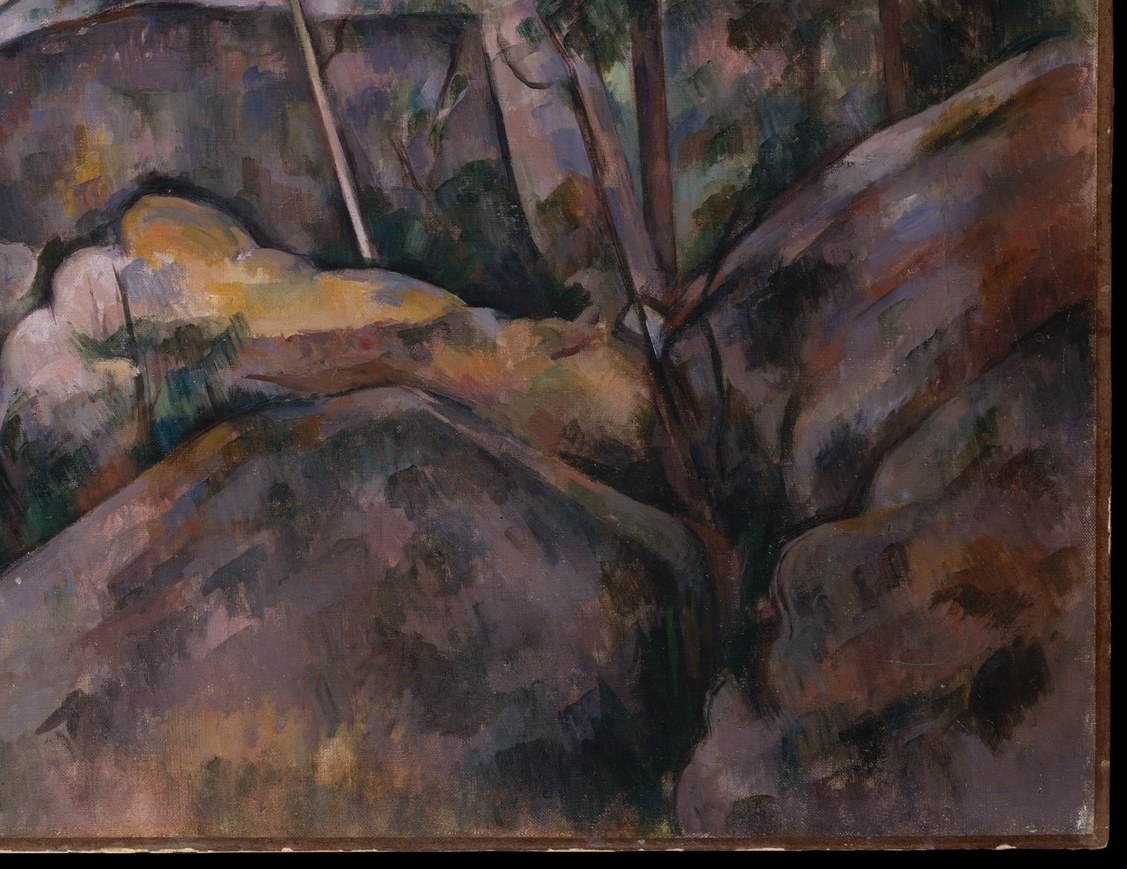
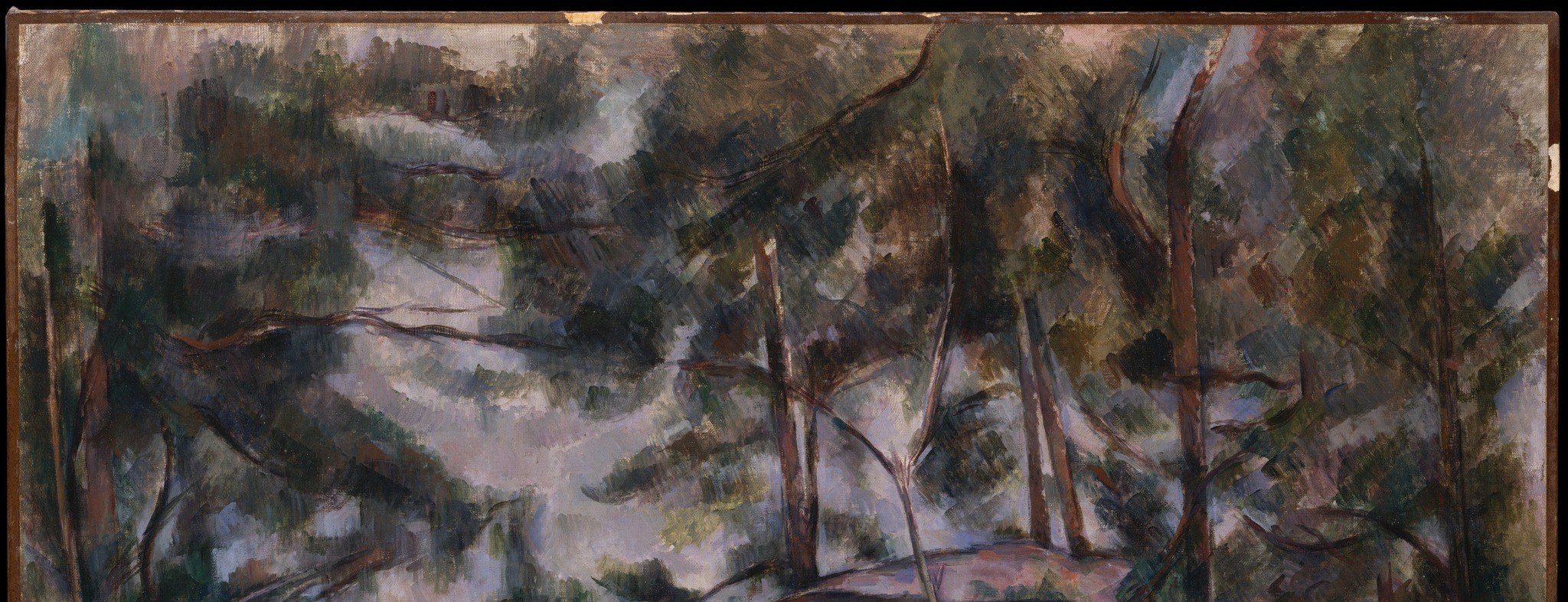
Paul Cézanne, a pivotal figure in Post-Impressionism, reimagined how we see the natural world. In "Rochers à Fontainebleau (Rocks in the Forest)" from 1897, now at The Metropolitan Museum of Art, he moves beyond mere imitation to reveal the underlying structure of the landscape.
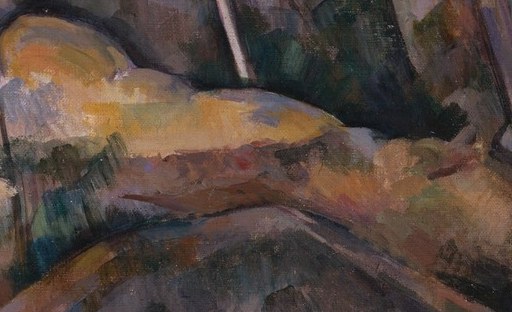
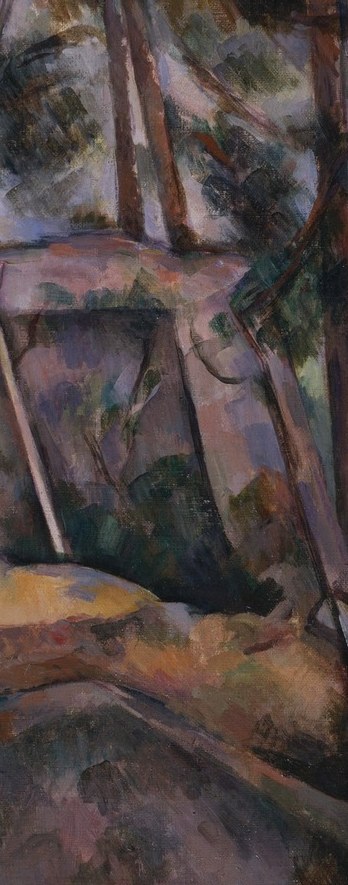
Look closely at how Cézanne uses planes of color and distinctive, repetitive brushstrokes to build the forms of the rocks and trees. The way light plays across the sunlit surfaces and deepens into shadowed crevices shows his intense study of nature, breaking down and rebuilding what he observed.
Cézanne's methodical approach to depicting three-dimensional space on a two-dimensional canvas was revolutionary. His work bridged Impressionism and Cubism, profoundly influencing 20th-century art. He strove to create a sense of solidity and permanence in his landscapes, often through sustained observation of the same subjects.
This painting invites us to slow down and truly see the architecture of the forest, an experience that remains as fresh and insightful today as it was over a century ago.
Details
Transcript
This painter was obsessed with the structure of nature. He built landscapes with planes of color and brushstrokes. See how the light shifts on this rock surface? Every stroke reveals the underlying forms of the forest. Now, look closely at the bark on this tree. His visible brushstrokes reveal the texture of time itself.