The Pool (Memory of the Forest of Chambord) by Théodore Rousseau
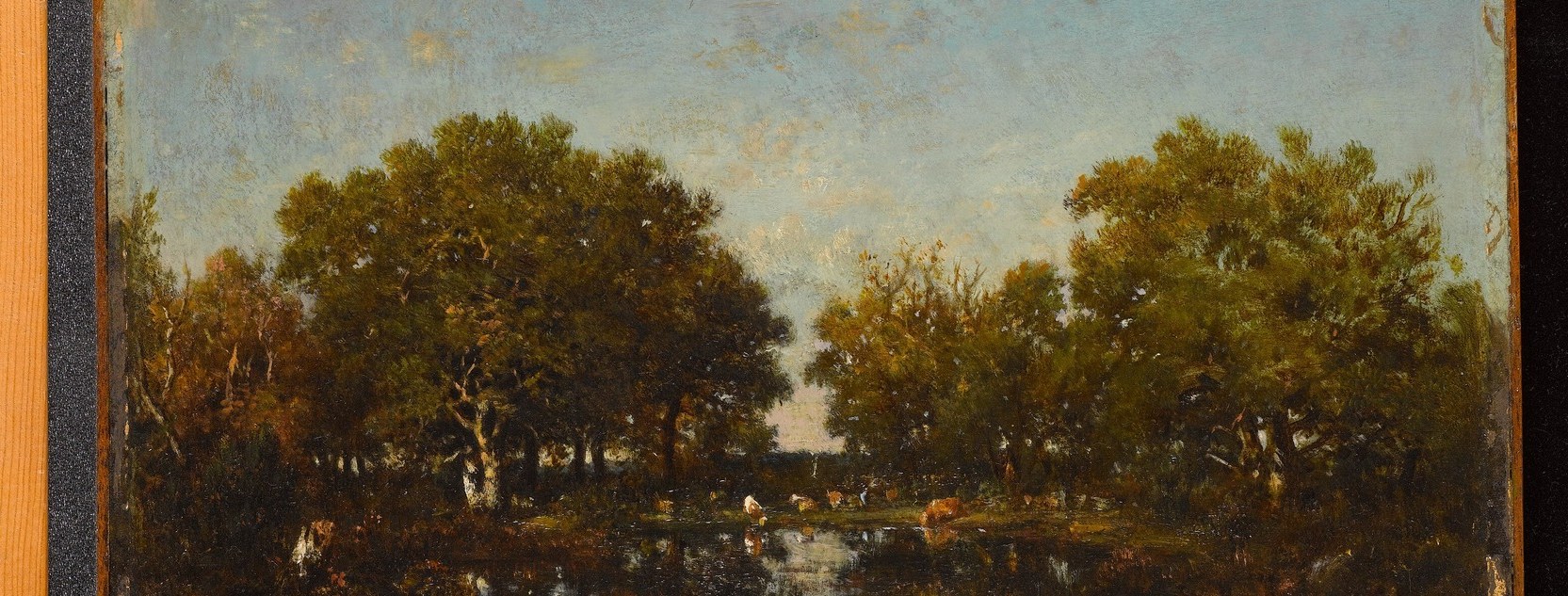
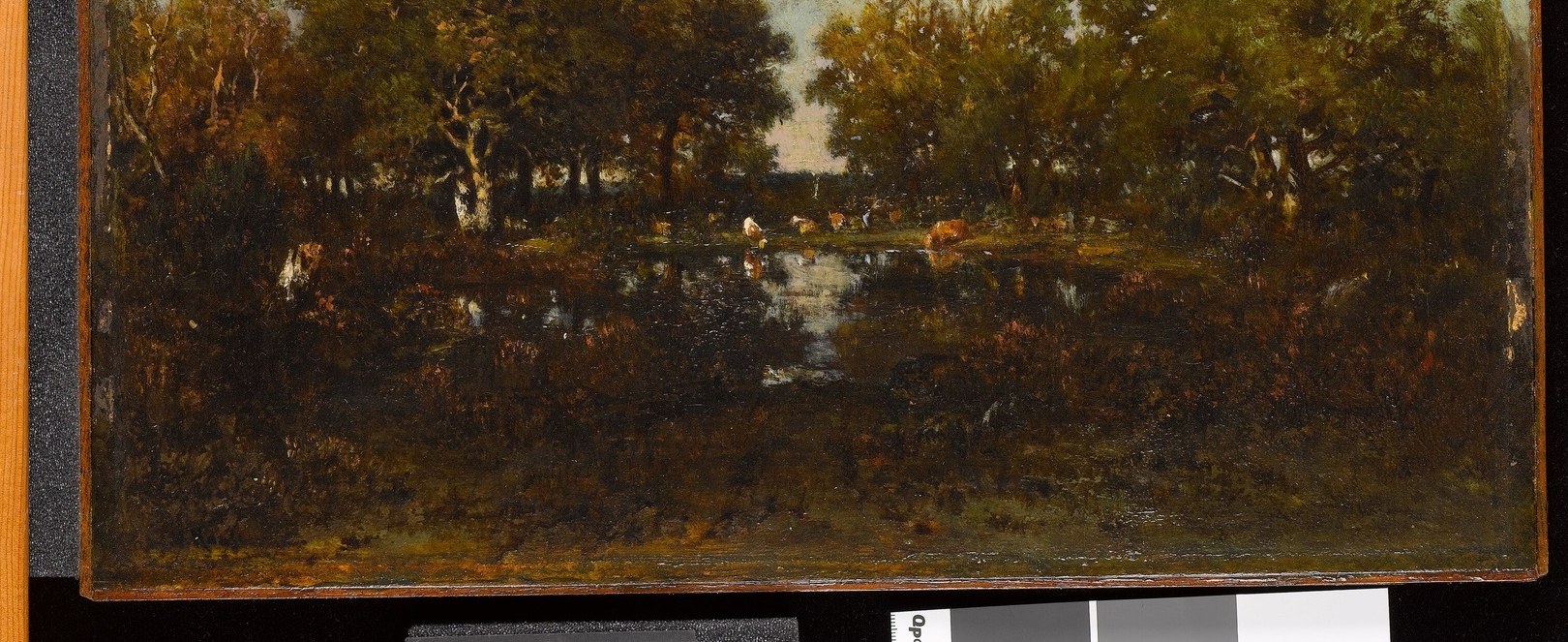
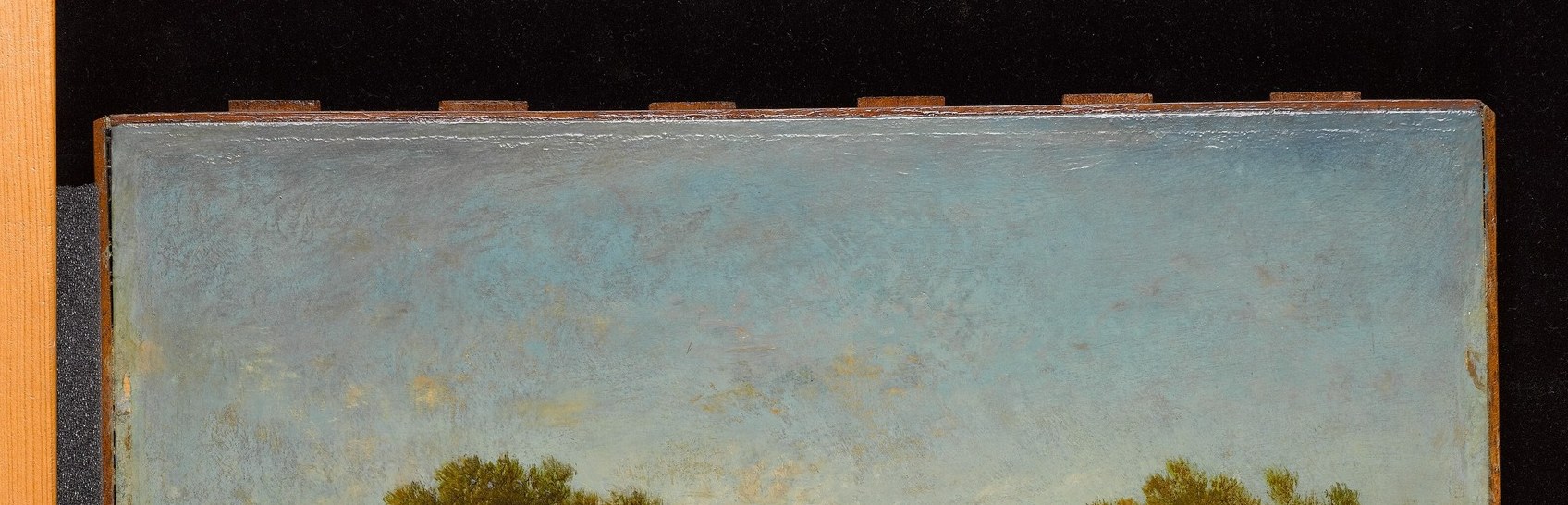
Théodore Rousseau's *The Pool (Memory of the Forest of Chambord)*, painted in 1839, is a beautiful example of the Barbizon school's focus on natural landscapes. This oil painting, held at The Metropolitan Museum of Art, invites viewers into a tranquil forest scene.
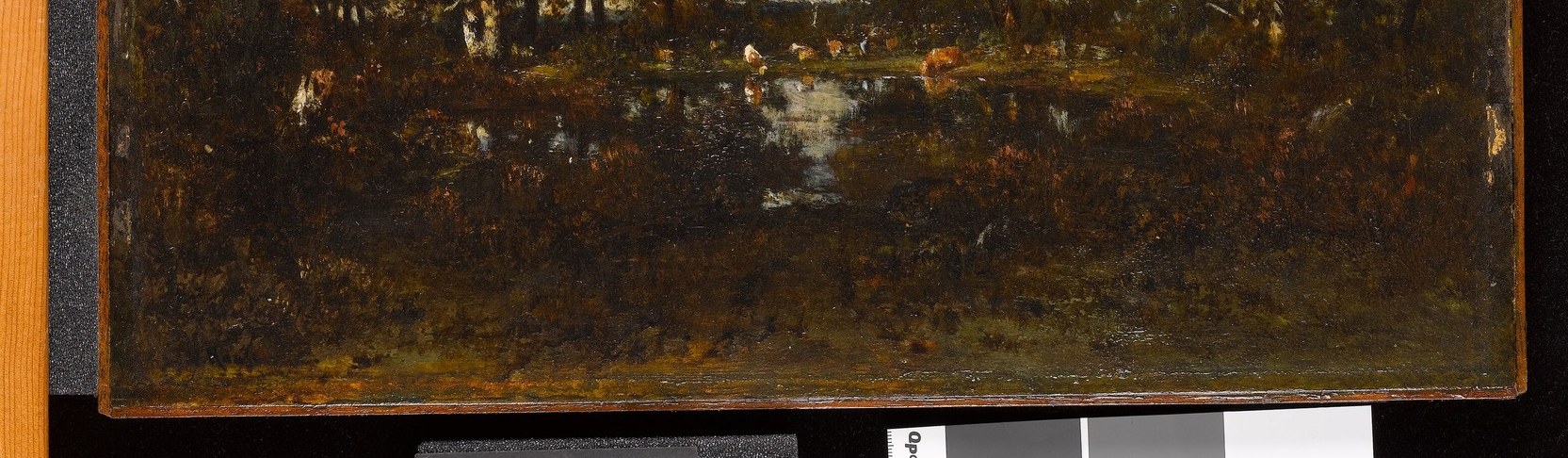
Rousseau, a leading French painter of his time, was known for his ability to capture the subtle interplay of light and shadow. Look closely at the dense trees and the calm pool reflecting the sky. Within this grand natural setting, a tiny figure stands at the water's edge, almost blending into the environment.
The inclusion of this small figure adds a profound human element, suggesting a moment of quiet contemplation and connection with nature. It’s a subtle detail that makes the vast landscape feel intimately personal. Rousseau championed painting directly from nature, moving away from academic conventions to embrace a more authentic representation of the world.
What feelings does this serene scene evoke in you?
Details
Transcript
This painting is called The Pool, 1839. The painter was Théodore Rousseau, a leading landscape artist. He was a master of capturing light and shadow in nature. Look closely at the water's edge. There, a small figure stands, nearly lost in the landscape. This single figure suggests a quiet moment of connection with nature.