The Death of the Consul Decius by Peter Paul Rubens
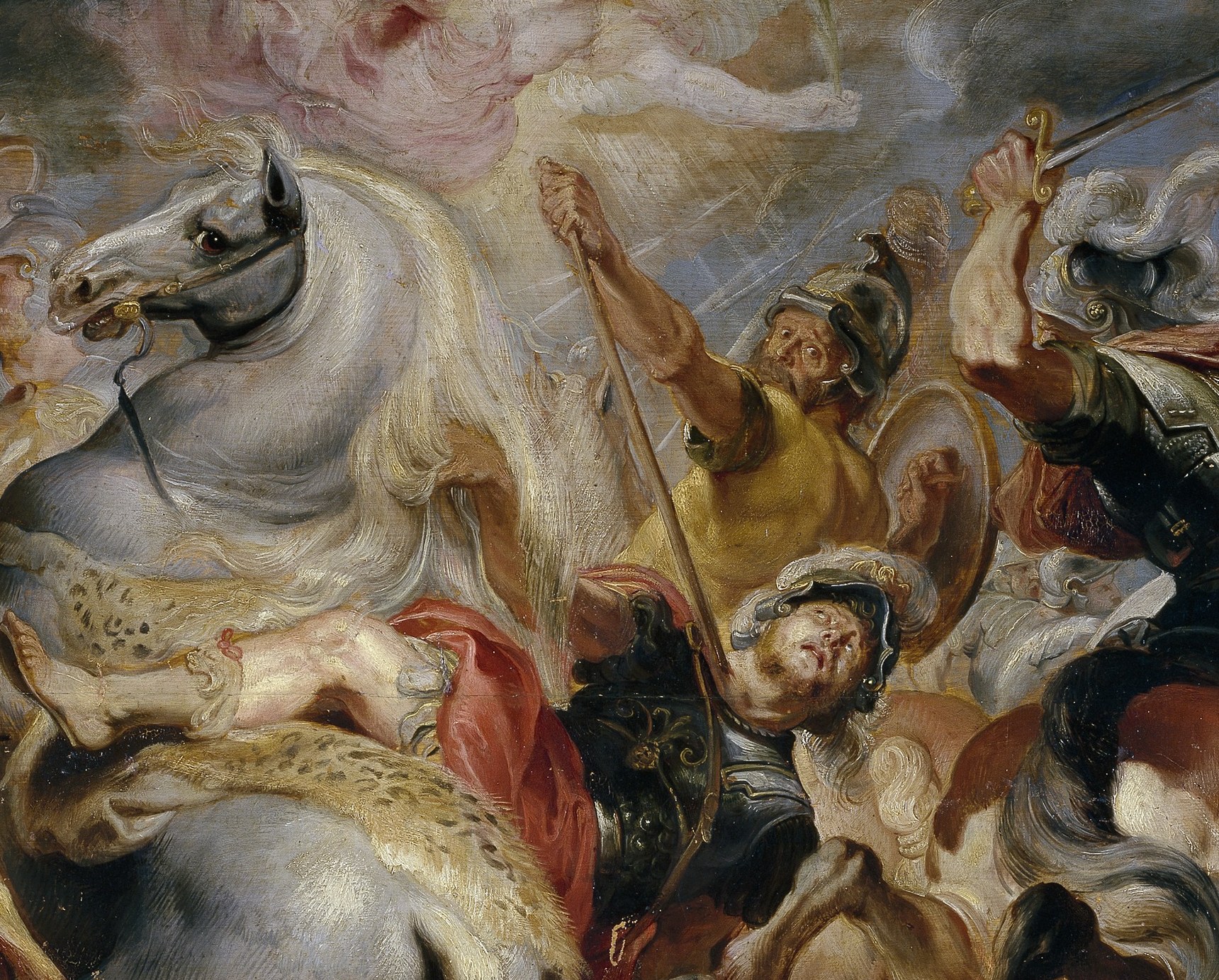
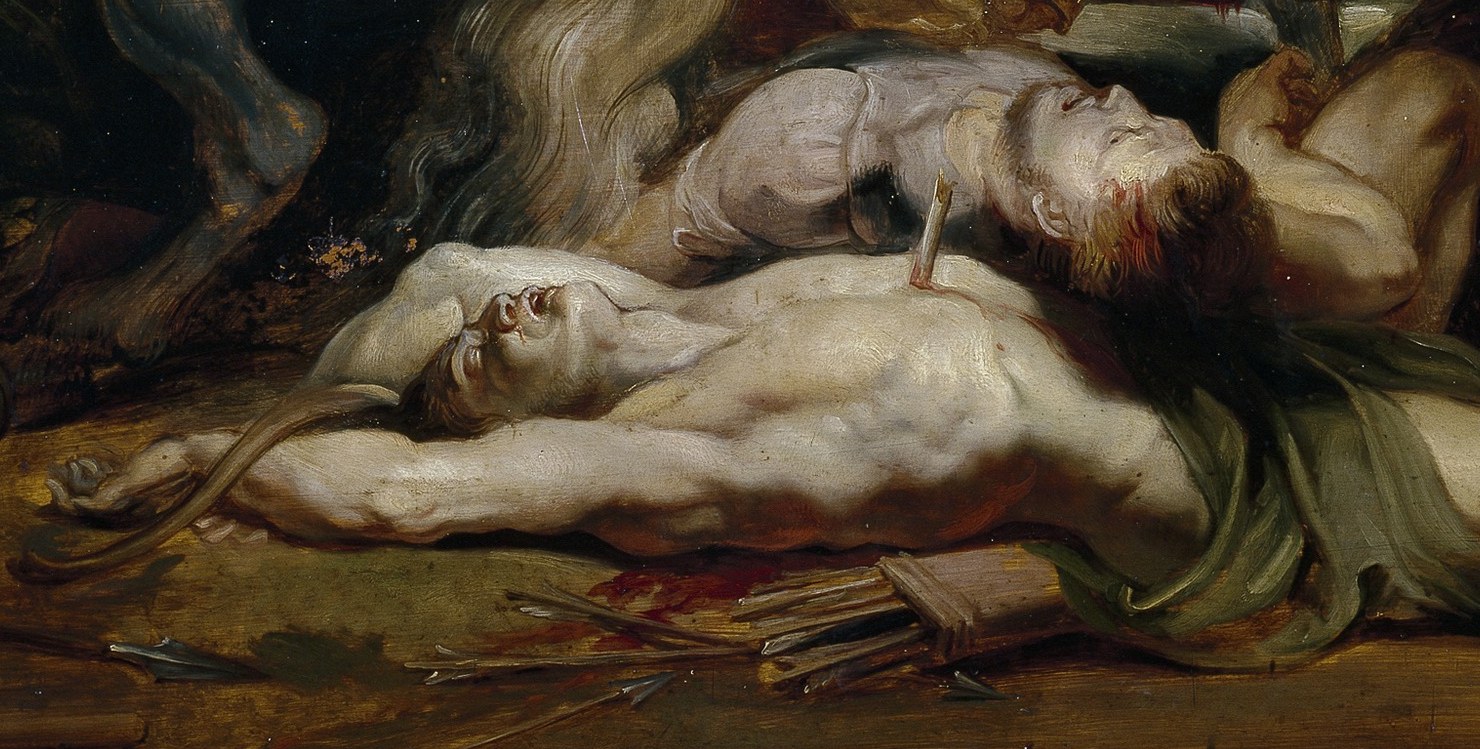
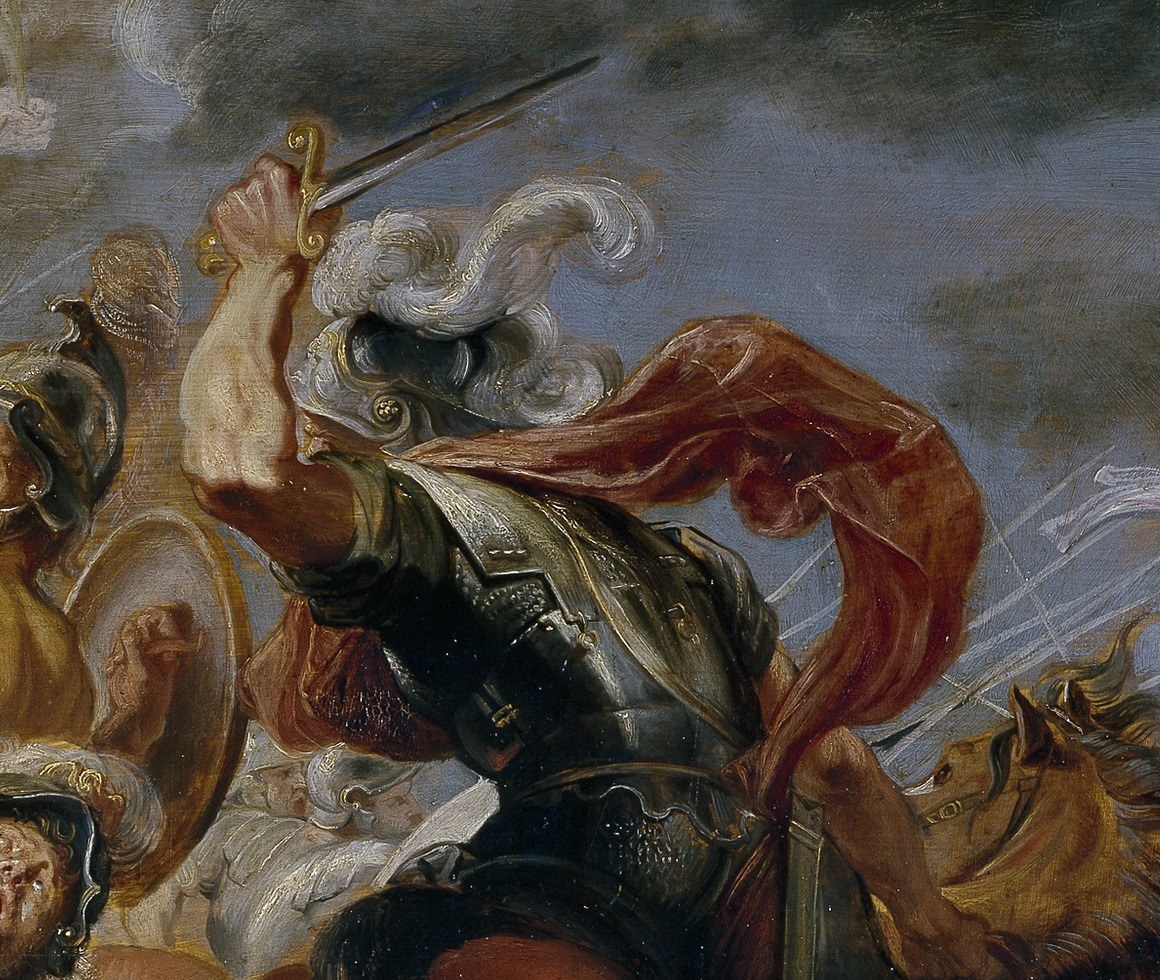
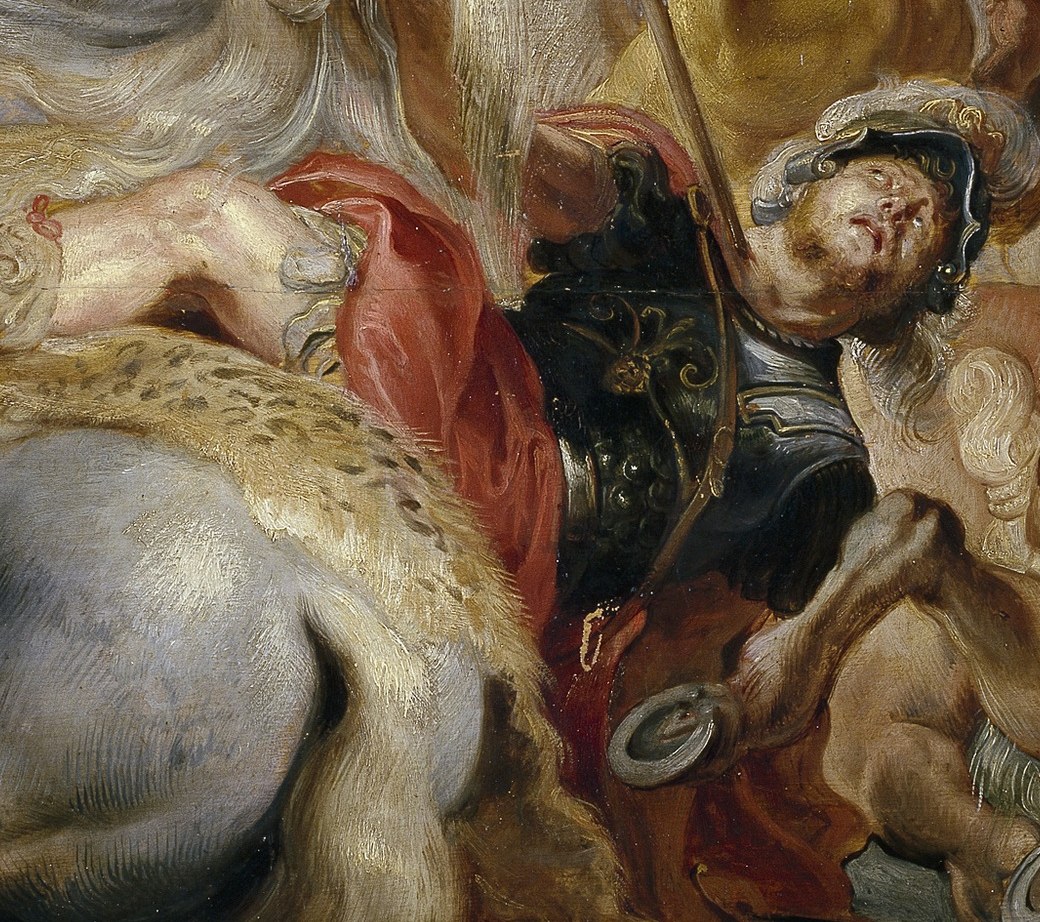
Peter Paul Rubens's "The Death of the Consul Decius," painted in 1616, captures a pivotal moment of heroic sacrifice, now housed at the Museo del Prado. At first glance, the painting is a whirlwind of Baroque energy, focusing on the Roman consul's valiant charge.
Yet, a tiny, often-overlooked detail in the bottom left corner tells another part of the story. A broken spear shaft points directly towards the consul's horse, a subtle but powerful visual cue.
Rubens, a master of Flemish Baroque, used such narrative devices to enrich his history paintings. This small detail foreshadows Decius Mus's legendary self-sacrifice, where he deliberately rode into enemy lines to secure victory for Rome, embracing his own demise.
It reminds us that even in grand narratives, the smallest elements can carry profound meaning. What other hidden clues do you think Rubens included?
Details
Transcript
Rubens painted this battle with incredible energy and drama. The Roman Consul Decius charges forward, trumpet in hand. This painting celebrates his legendary self-sacrifice for Rome. But look at the very bottom, left corner. A broken spear shaft points directly at his horse's leg. It hints at the consul's impending, tragic end.