Maypole Festival by Salomon van Ruysdael
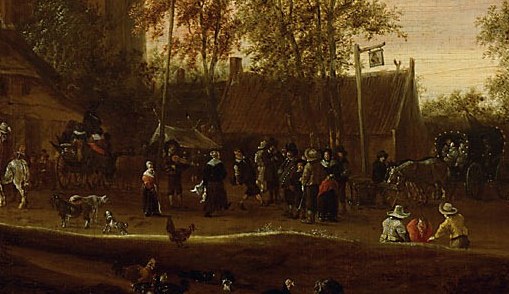
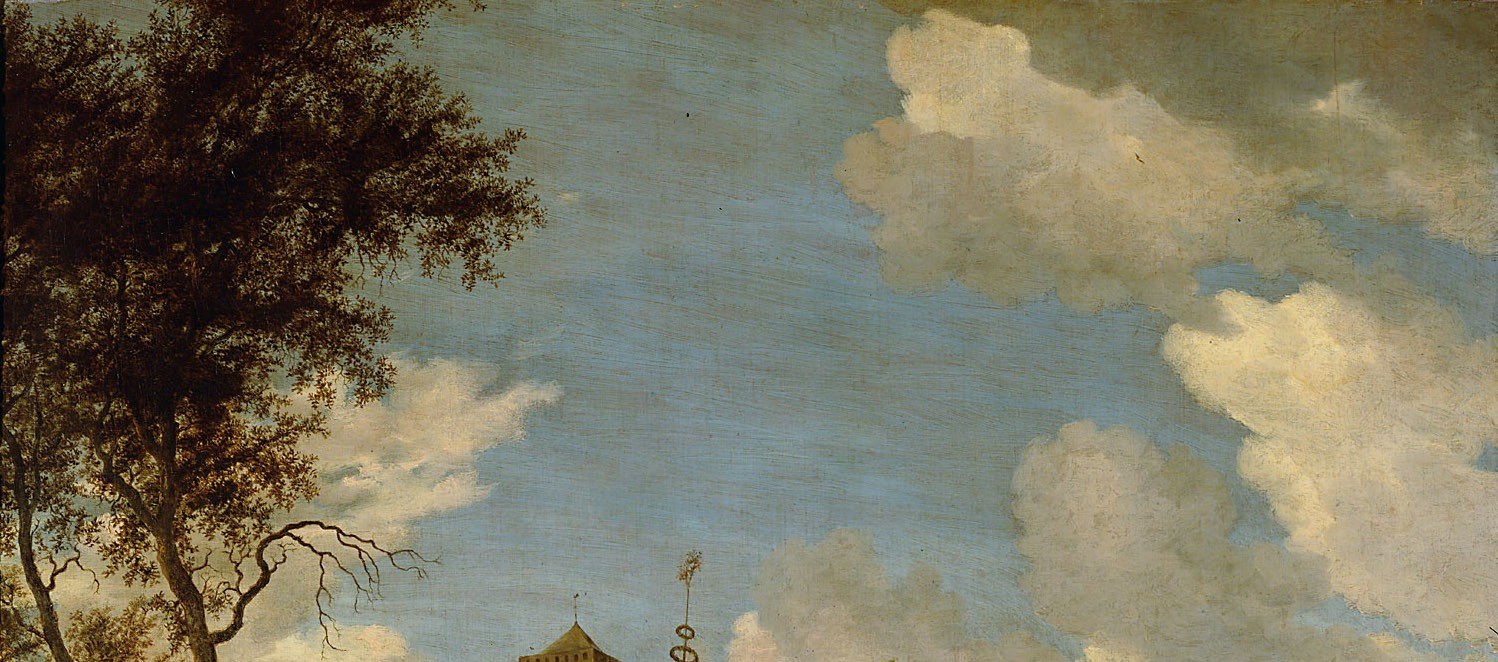
Salomon van Ruysdael's "Maypole Festival" from 1655 is a vibrant snapshot of Dutch village life during the Golden Age. This oil painting, held at the Kunsthistorisches Museum, captures a moment of shared joy and tradition.
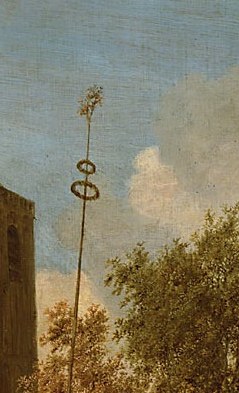
The painting invites viewers into a bustling scene where villagers gather around a colorful maypole. Look for the animated groups of people, the horse and rider, and the subtle interactions that bring the communal celebration to life.
Van Ruysdael, an uncle to the more famous Jacob van Ruisdael, specialized in landscapes that often featured everyday rural activities. His work reflects the importance of seasonal festivals in 17th-century European village life, which fostered communal solidarity.
This painting reminds us of the timeless human need for celebration and community. What details in the crowd catch your eye?
Details
Transcript
In 1655, a Dutch painter captured a day of celebration. Villagers gather around a festive maypole. Such festivals marked seasonal rites and communal solidarity. Even a horse and rider join the lively scene. The artist, Salomon van Ruysdael, celebrated everyday rural life. His brushwork captures the movement and light of a clear day.