Portrait of a Man by Mantegna, Andrea
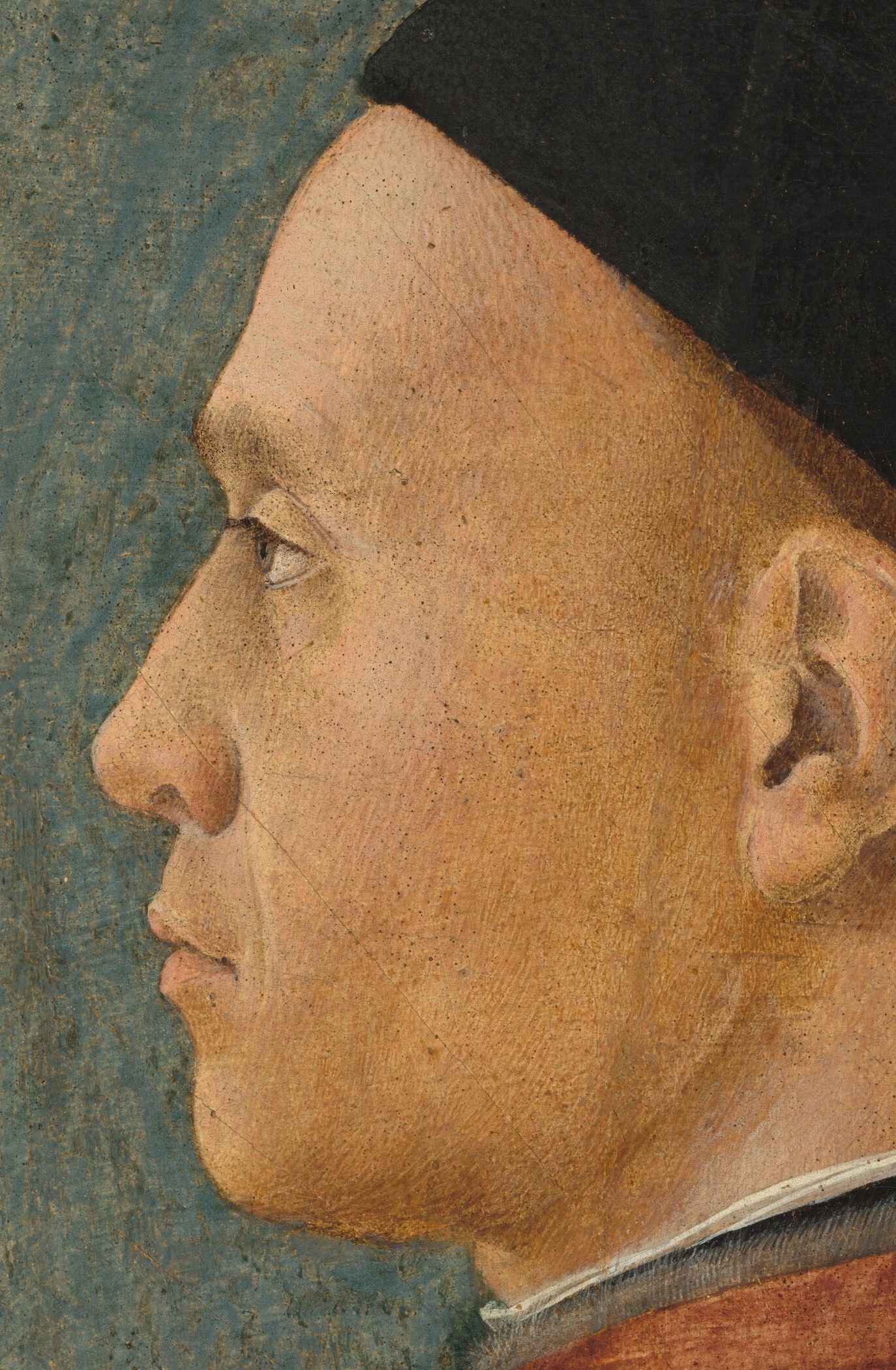
This striking "Portrait of a Man," painted around 1470 by Andrea Mantegna, captures the essence of a nobleman from 15th-century Italy. Mantegna, a master of the early Renaissance, was celebrated for his meticulous attention to detail, which gives this portrait an almost sculptural quality.
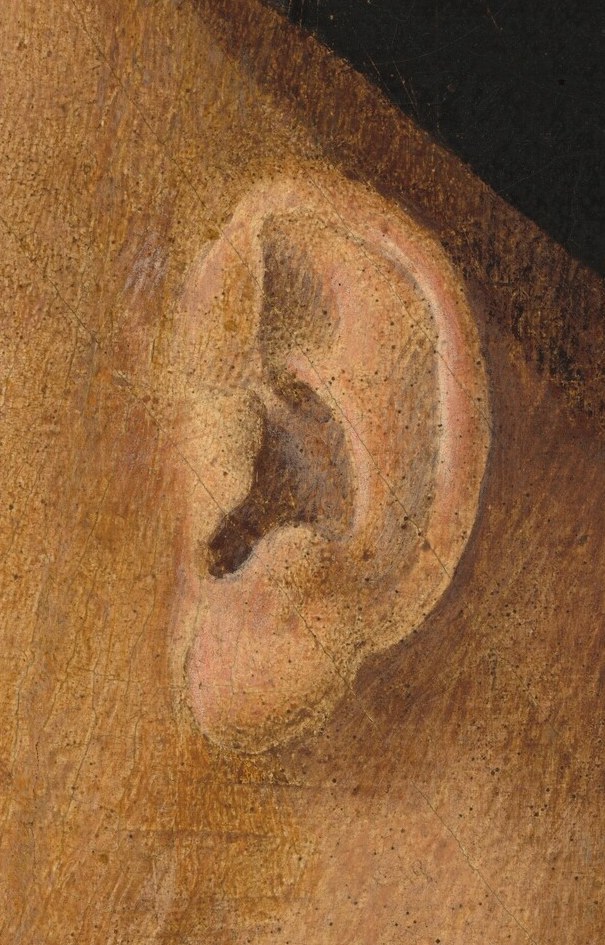
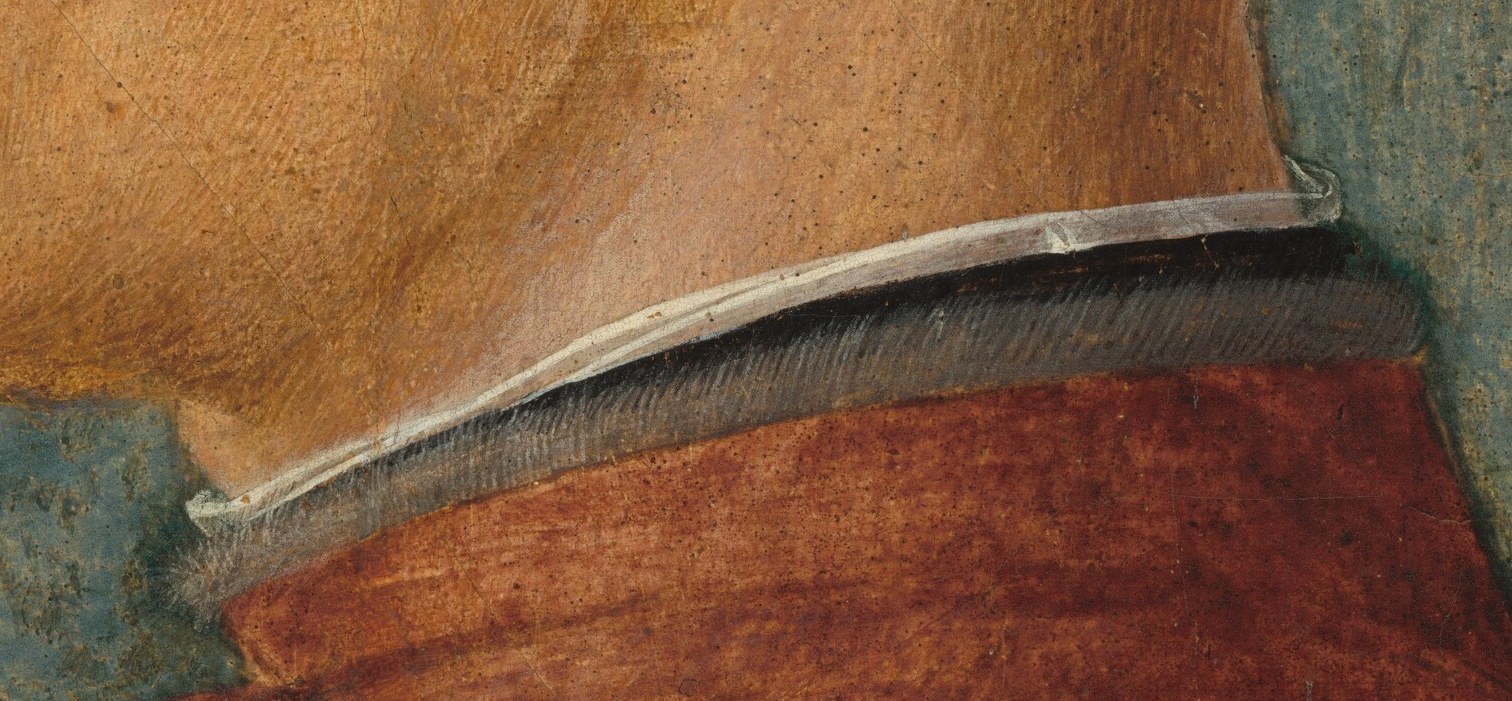
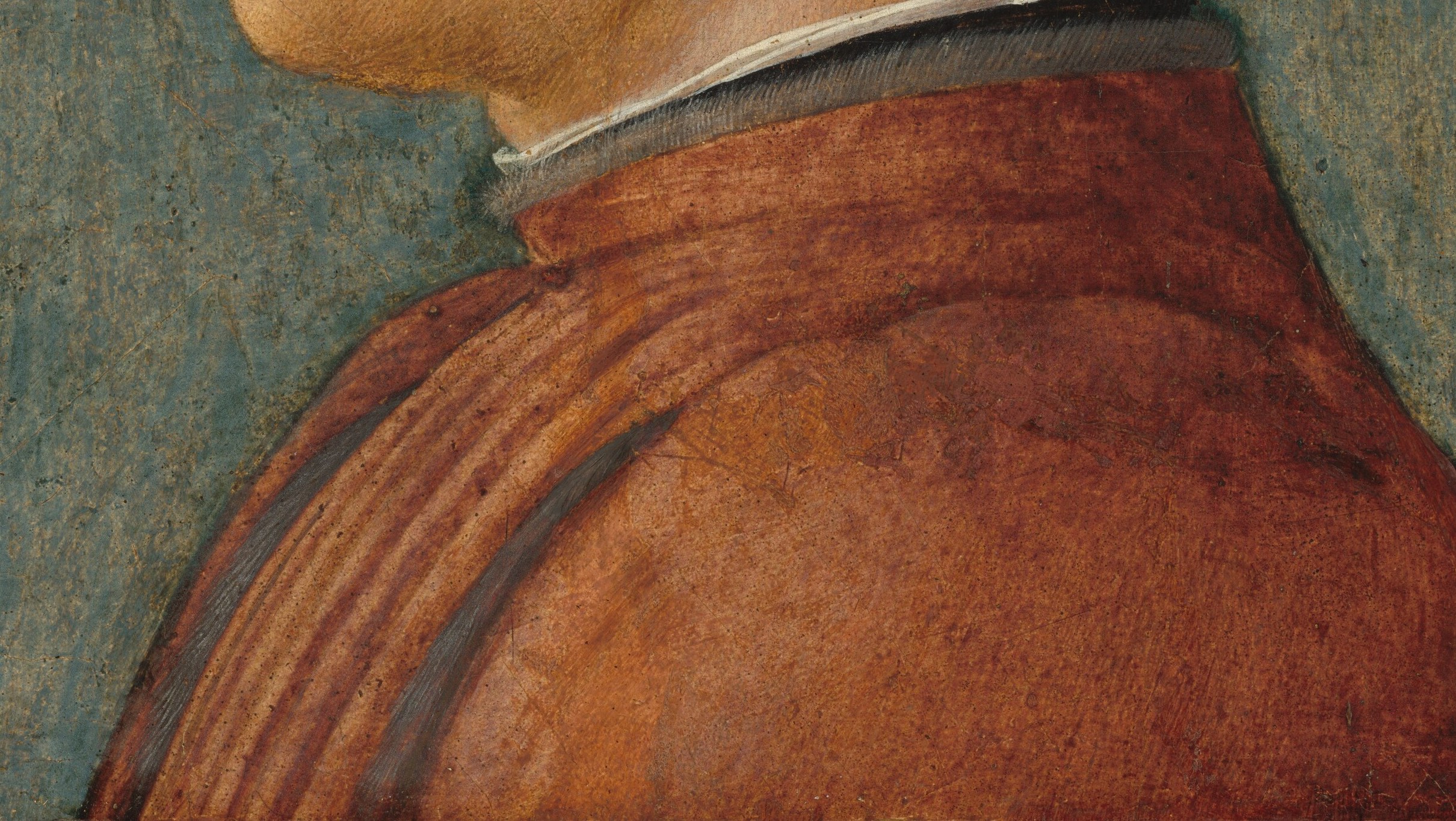
Observe the extraordinary precision in elements like the mapped ear and the crisp white collar. These details not only showcase Mantegna's skill but also provide a fascinating glimpse into the fashion and societal markers of the era.
The painting's authorship has seen some debate, with occasional attributions to Giovanni Bellini or Mantegna's pupils. Regardless, it remains a testament to the period's developing approach to individual portraiture and its ability to capture a sense of stillness and presence.
Currently housed at the National Gallery of Art, Washington, DC, this work invites us to consider how such careful documentation of daily life, down to the smallest sartorial detail, offers a window into history.
Details
Transcript
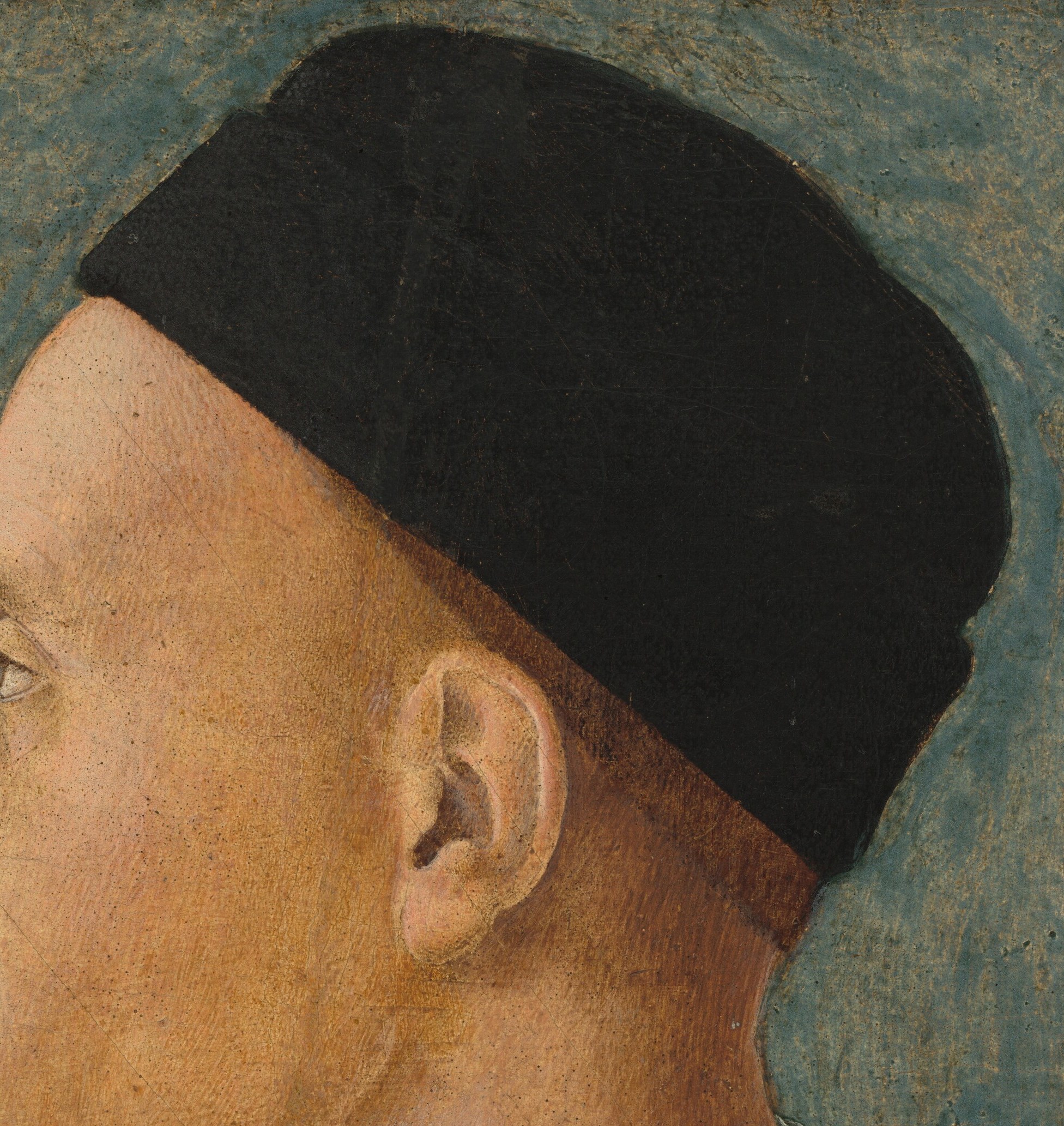
This man lived in Italy, in the 1470s. The painter was known for his almost sculptural detail. Look at the folds of his ear, mapped like a landscape. His precise black cap shows a nobleman's status. The crisp white collar, a flourish of tailoring. This art documents his world, in every thread.