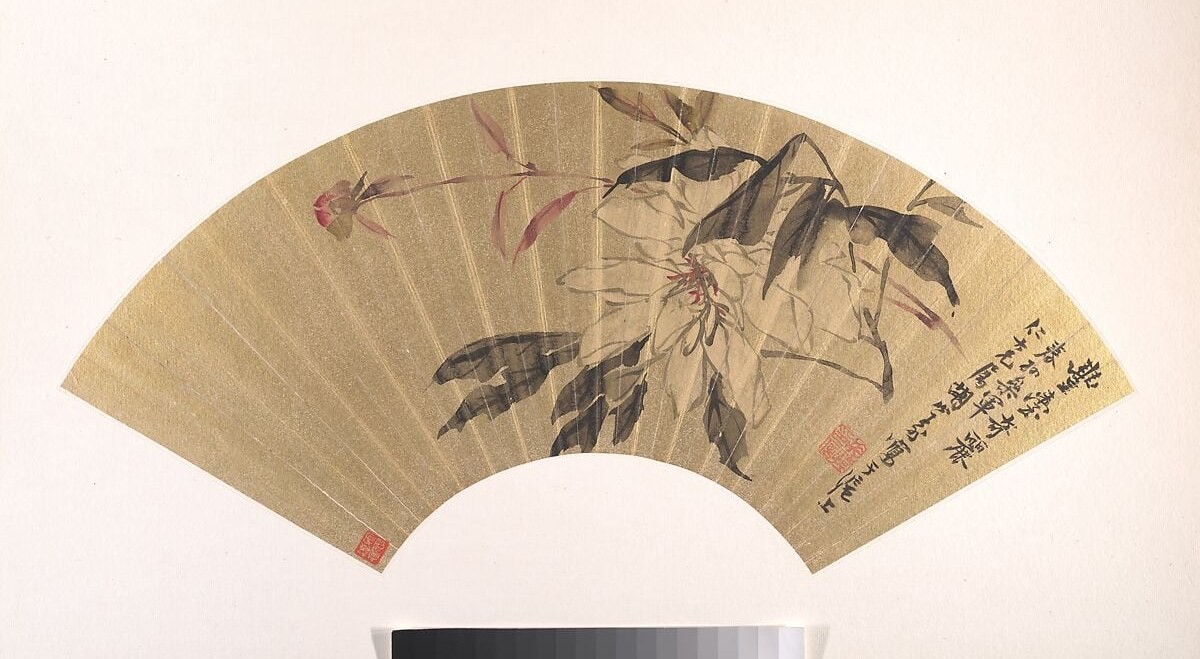
清 胡遠 芍藥 扇面|Herbaceous Peony by Hu Yuan
This isn't just a flower, it's a statement. Hu Yuan's "Herbaceous Peony," created in 1854, is a vibrant example of Qing dynasty fan painting, now an album leaf at the Met. In Chinese culture, the peony is revered as the "king of flowers," a powerful symbol of wealth, prosperity, and honor.
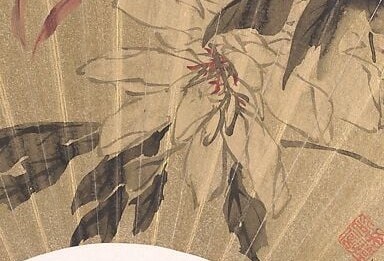
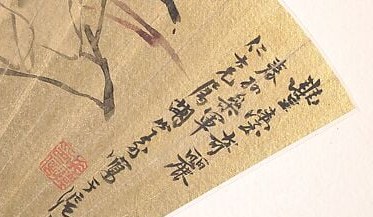
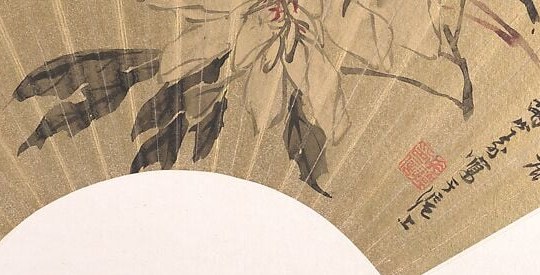
Notice the lush, delicate petals of the peony, rendered in soft pinks and whites, contrasting with the bold, dark strokes of the leaves. The shimmering gold-flecked paper, originally part of a folding fan, was a mark of luxury, signaling the owner's discerning taste.
Hu Yuan, a prominent artist in the Shanghai School, skillfully balanced traditional brushwork with a vibrant, decorative sensibility. His choice of the peony would have communicated these auspicious meanings to contemporary viewers, aligning the artwork with established cultural values.
It's fascinating how a single bloom can carry such profound cultural weight, transforming a simple still life into a rich narrative of aspiration and status. What symbols in art do you find most compelling?
Details
Transcript
This isn't just a flower. In China, the peony is the "king of flowers." Its lush petals signify wealth, prosperity, and honor. The painter Hu Yuan created this in 1854. He was a prominent artist in the Shanghai School. The gold paper was a sign of luxury for wealthy collectors. His choice of this bloom communicated auspicious meanings.