The Bierkade and Groenewegje at The Hague seen towards the Spui by Jan ten Compe
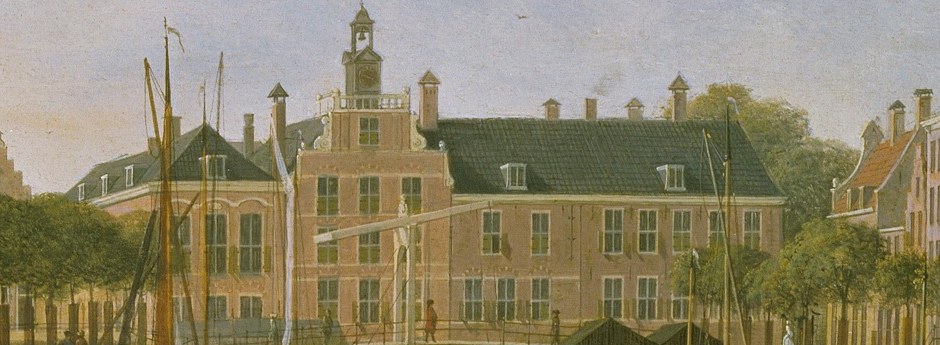
This serene 1760 oil painting, "The Bierkade and Groenewegje at The Hague seen towards the Spui" by Jan ten Compe, offers a peaceful glimpse into 18th-century Dutch life. While seemingly an ordinary landscape, its journey to the State Hermitage Museum reflects a fascinating aspect of art acquisition and preservation.
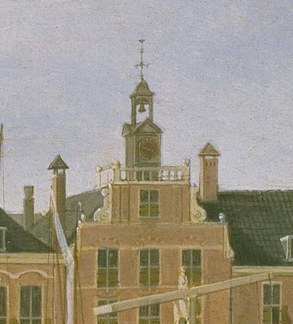
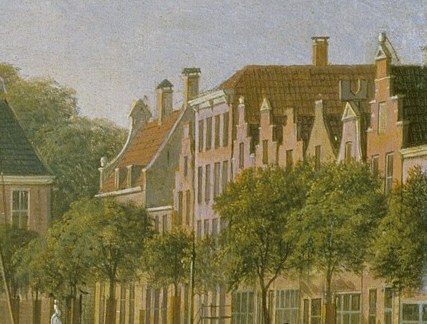
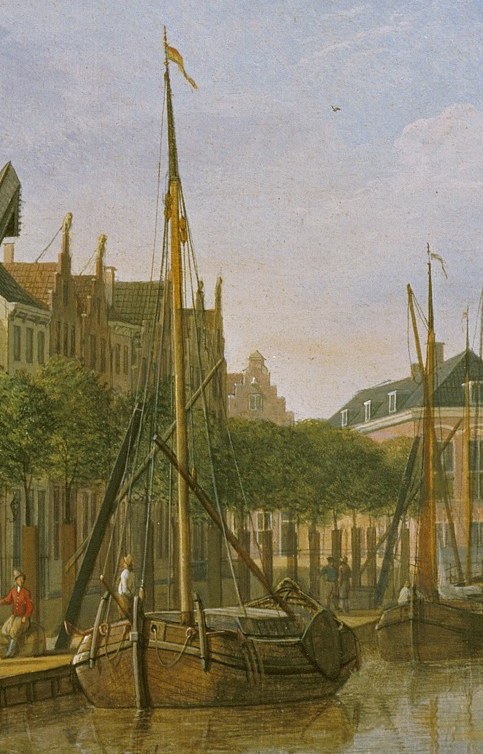
Look closely at the detailed brick buildings along the canal and the gentle reflections in the water. Ten Compe's meticulous brushwork captures the tranquility of an everyday moment in The Hague, from the figures strolling to the subtle textures of the urban environment.
Created by Jan ten Compe, this work entered the Hermitage's collection as part of their broader interest in European landscape painting. It stands as a valuable visual record, documenting the urban landscape of the mid-18th century. Its presence in such a renowned museum ensures its continued study and appreciation.
This painting reminds us that even quiet scenes can hold intriguing stories within their provenance.
Details

Transcript
A quiet canal scene in 18th-century The Hague. Painted in 1760, it shows daily life along the Bierkade. This work is now held in the State Hermitage Museum. But the Hermitage was not its first home. It was part of a broader interest in European landscape painting. This painting offers a rare visual record of The Hague.