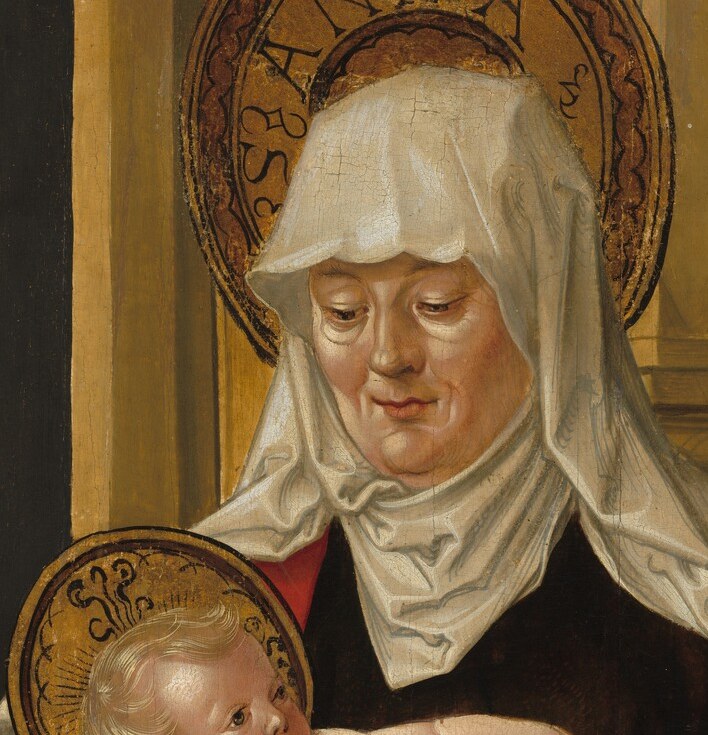
Saint Anne with the Christ Child, the Virgin, and Saint John the Baptist by Baldung Grien, Hans
In Hans Baldung Grien's "Saint Anne with the Christ Child, the Virgin, and Saint John the Baptist" (c. 1511), a seemingly serene family gathering holds deeper, prophetic meaning. The painting, now at the National Gallery of Art, Washington D.C., invites viewers to decode its subtle messages.
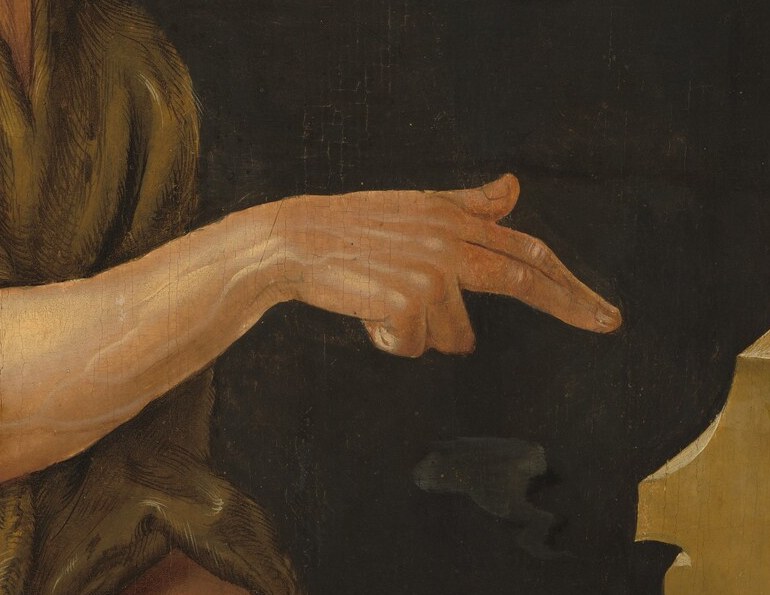
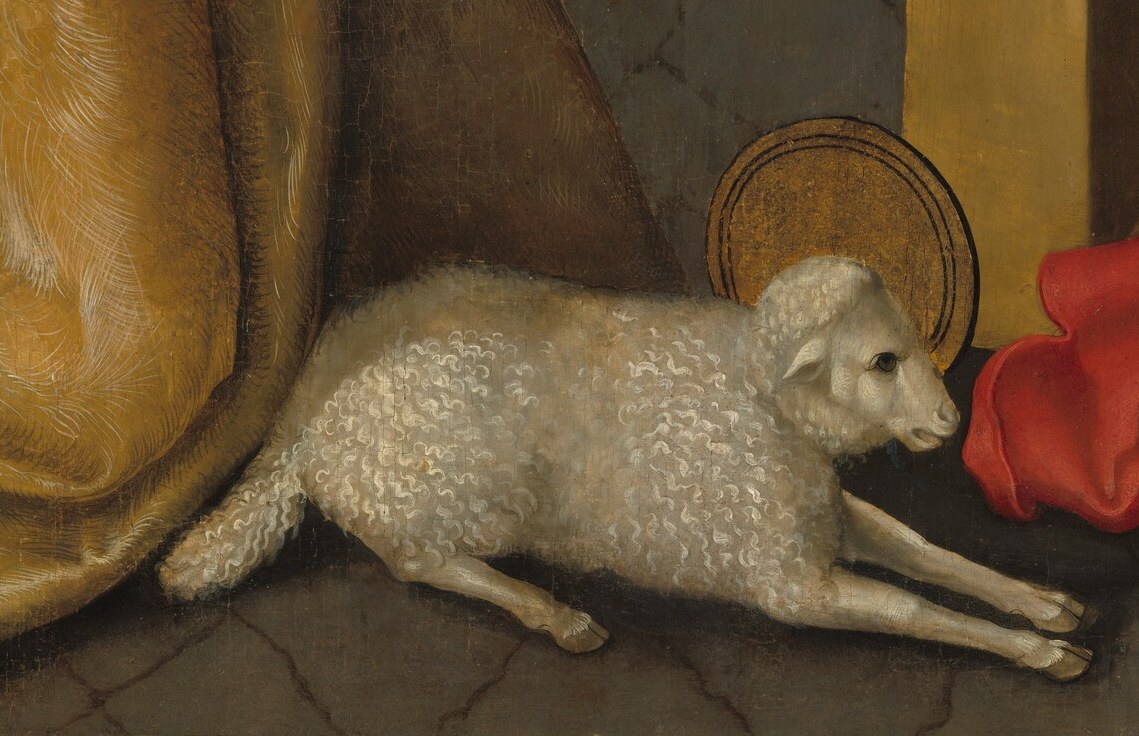
Look closely at Saint John the Baptist's pointing hand, directing our gaze not only to the Christ Child but also to the recumbent lamb at the bottom. This small, easily overlooked detail is the powerful "Lamb of God," a traditional symbol foreshadowing Christ's ultimate sacrifice.
Baldung Grien, a gifted student of Albrecht Dürer, was known for his expressive style and his use of rich, symbolic details. This oil painting, originally on panel, showcases his ability to infuse religious narratives with vivid color and intricate symbolism, bridging the German Renaissance and early Mannerist tendencies.
Even within an intimate domestic scene, the painting reminds us of the profound theological narrative it represents. What other hidden symbols do you notice?
Details
Transcript
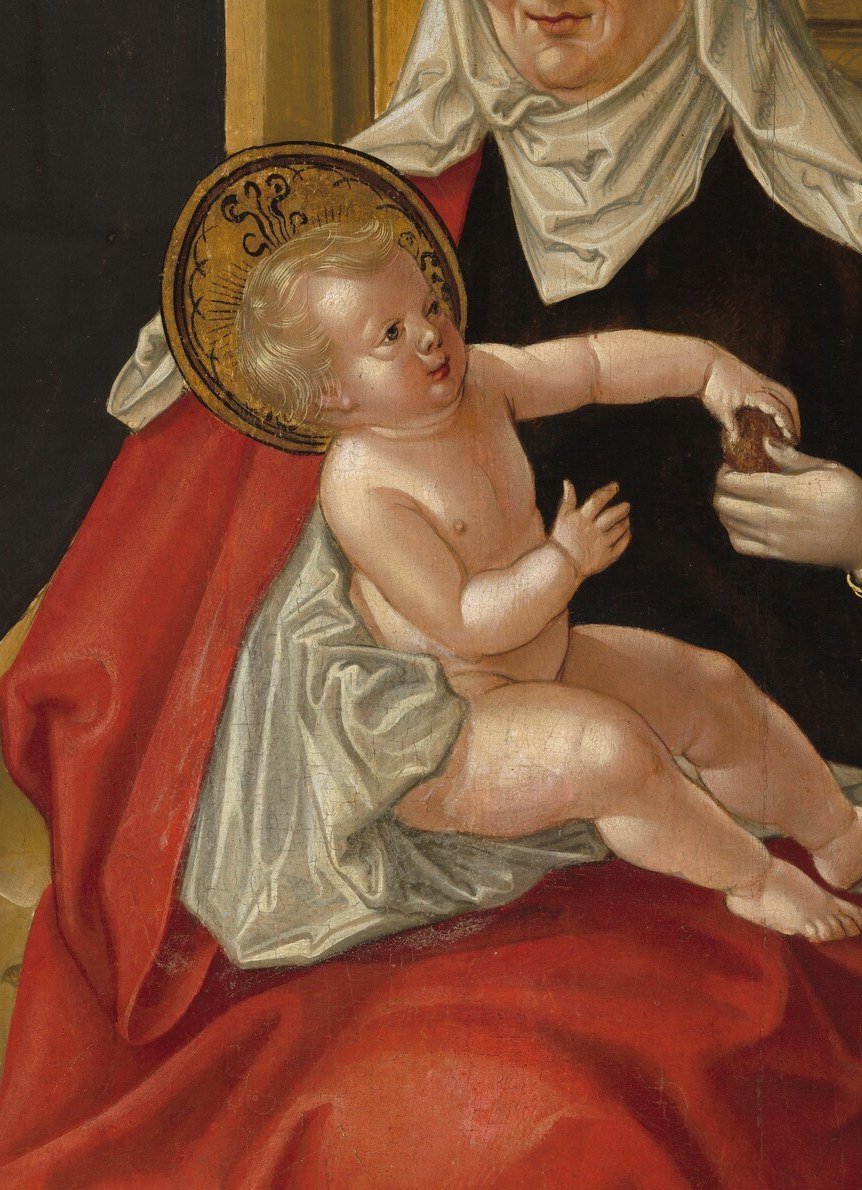
This painting tells a familiar story, but with a warning. Young John the Baptist points, as if to say, 'Look.' His gesture directs us to the Christ Child in his mother's hands. But beneath them, another figure: the Lamb of God. The Lamb symbolizes Christ's future sacrifice. Baldung Grien, Dürer's student, often used such vivid symbols. Even in this tender family scene, the painter foretells the Passion.