At the Races by Manet, Edouard
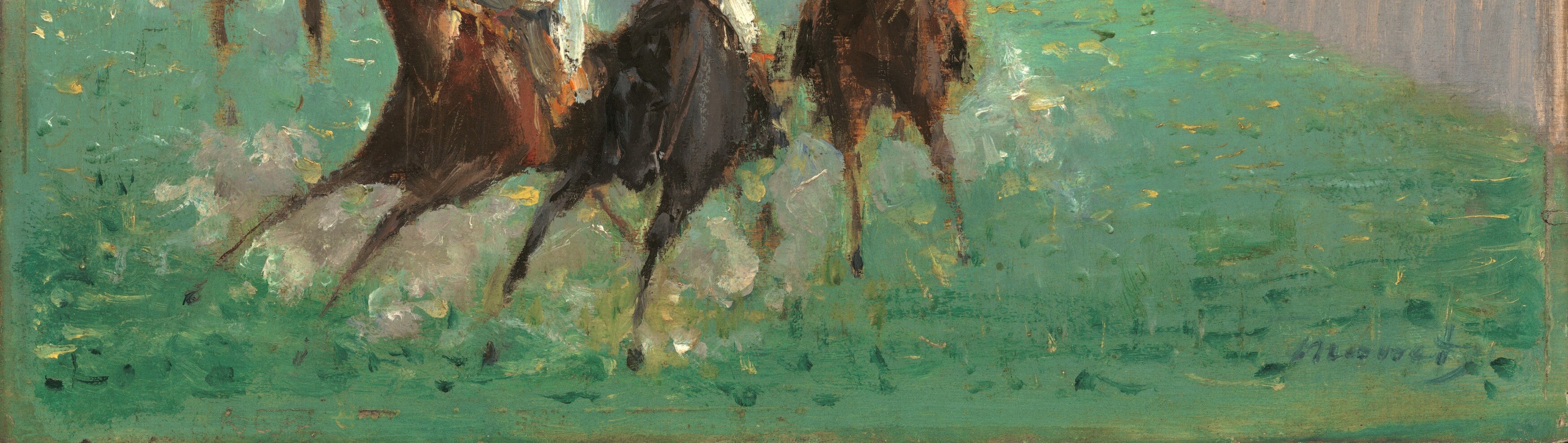
In "At the Races," painted around 1875, Édouard Manet captures a fleeting, informal horse race with incredible energy. This oil on wood painting, now in a private collection, showcases Manet's unique bridge between Realism and Impressionism.
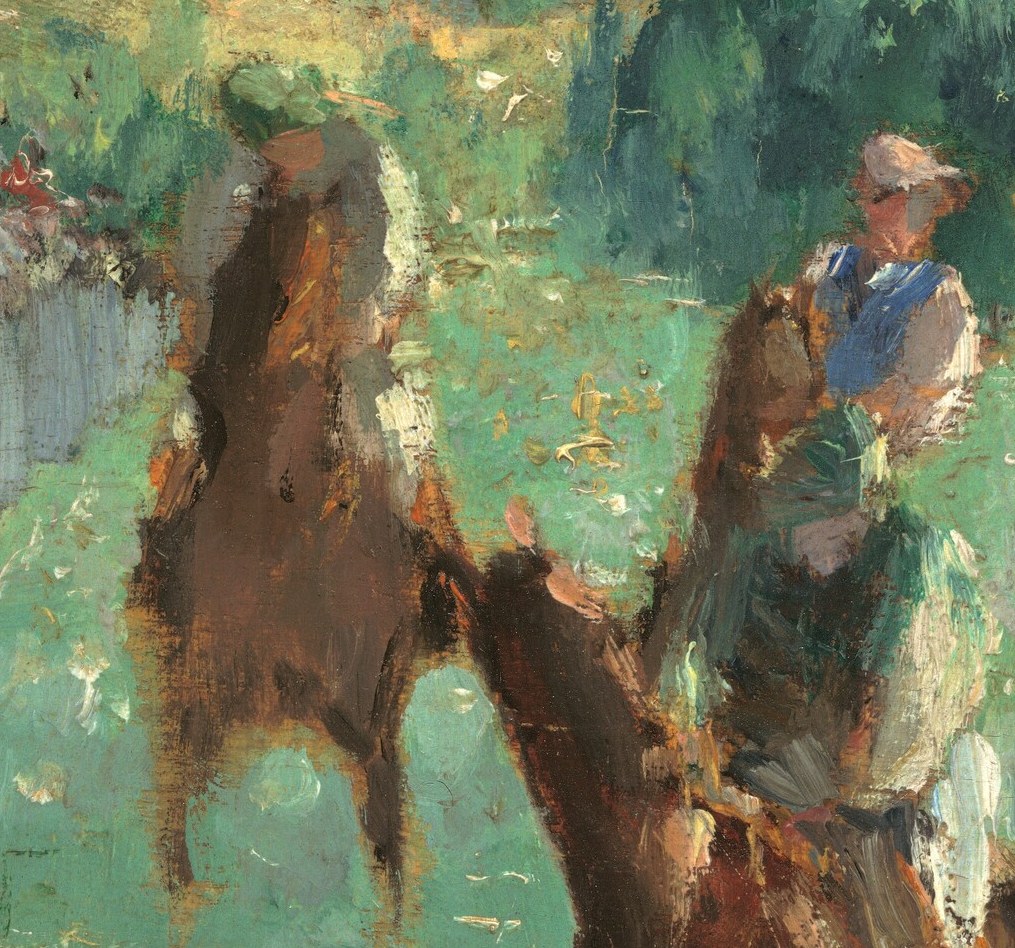
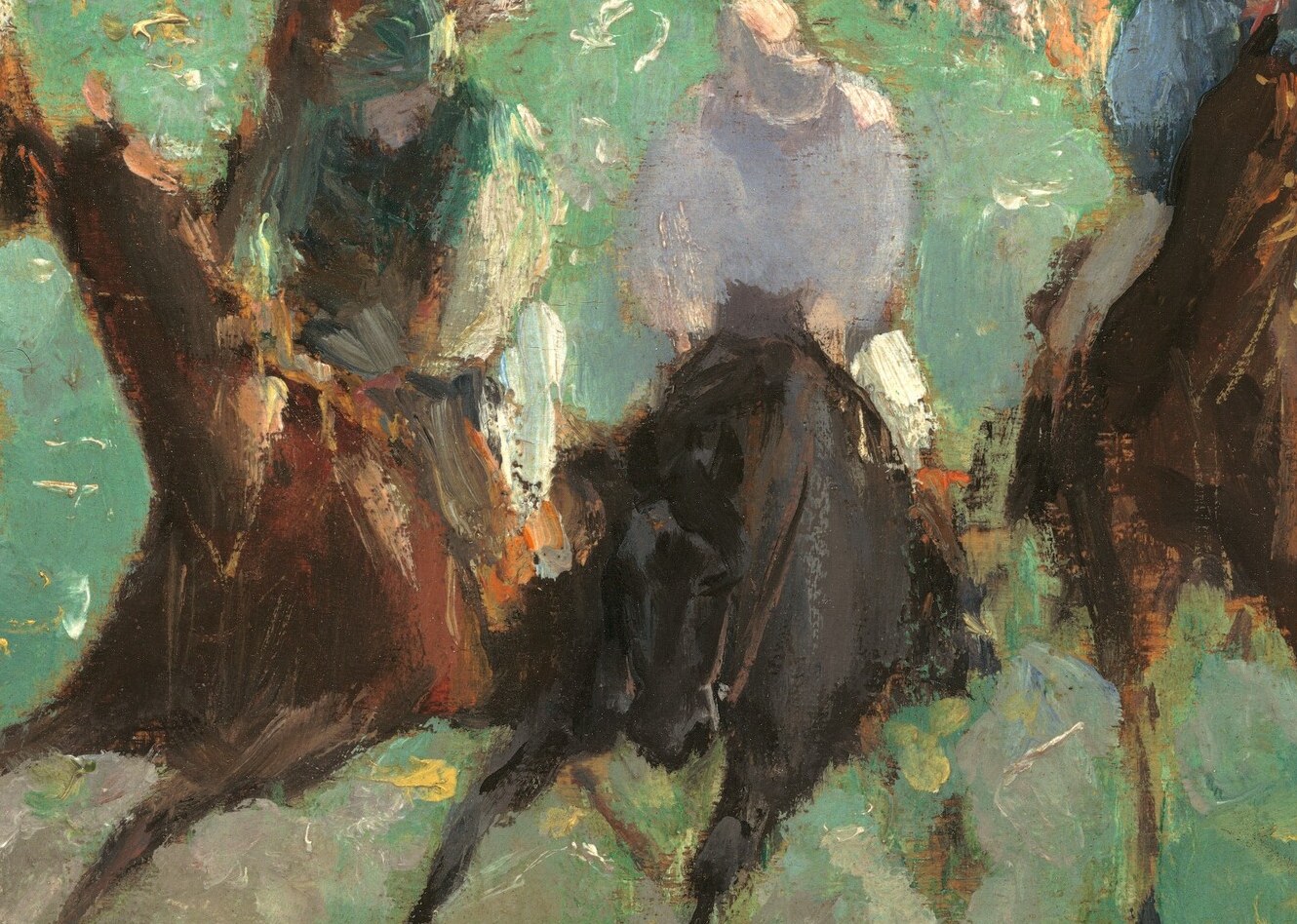
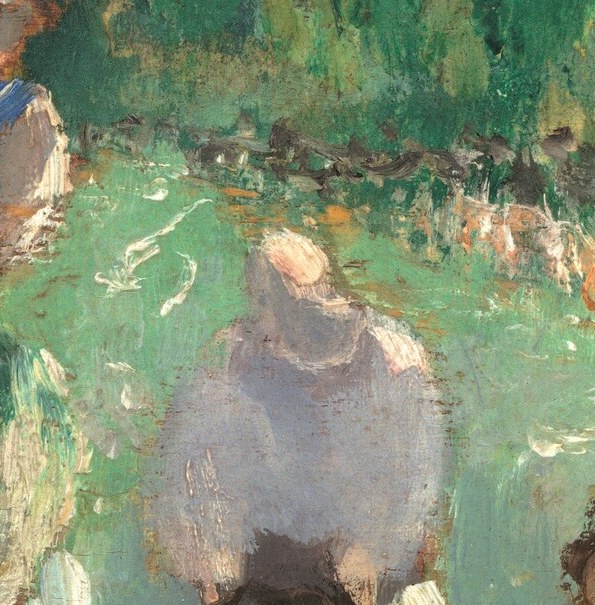
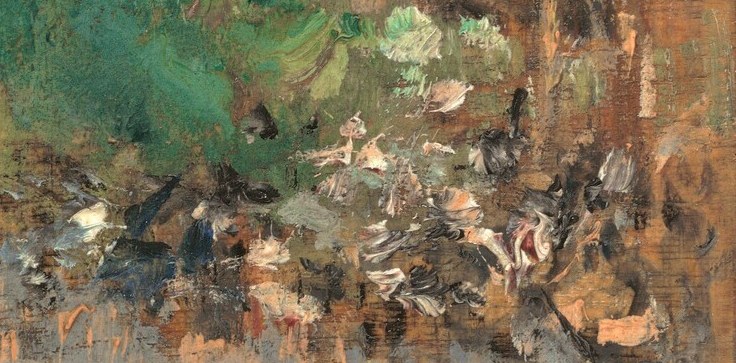
Notice how the horses are rendered with a blur of motion, created by Manet's loose, rapid brushwork. The indistinct figures of the riders and the gestural strokes convey the sheer speed and excitement of the moment. Look for the bright patch of light on the right, a theatrical highlight that became a hallmark of his style.
Manet, born into a wealthy Parisian family, defied expectations to become an artist. He was known for his bold, direct approach, often finding inspiration in everyday modern life. His admiration for Spanish art influenced his use of stark contrasts and dramatic lighting, a technique he masterfully employed here to make the scene pop.
Manet died young at 51, but his impact on modern art was immense. This painting is a testament to his ability to find beauty and drama in the ordinary, making us look twice at what we might otherwise scroll past.
Details
Transcript
This painter loved capturing everyday life, not grand scenes. Look closely at the horses, they are a blur of motion. His loose brushwork makes them feel incredibly fast. He used rapid, gestural strokes to convey their speed. And this bright patch of light feels almost theatrical. It was his signature touch, borrowed from Spanish masters.