The mousetrap by Quirijn van Brekelenkam
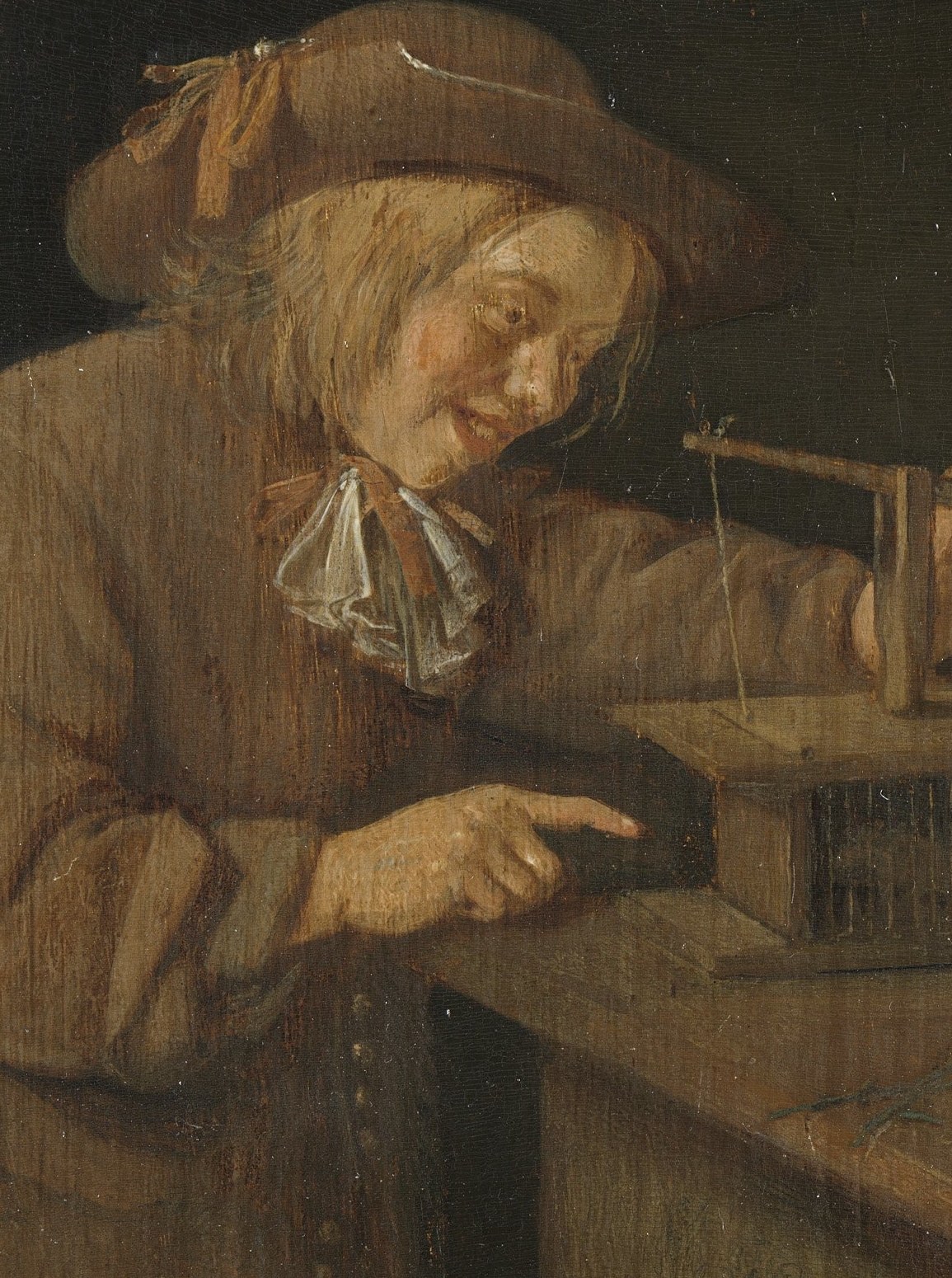
In 1660, Quirijn van Brekelenkam painted The Mousetrap, now at the Rijksmuseum in Amsterdam. It is a fijnschilder work, a 'fine painting' from Leiden, where artists rendered every surface with near-obsessive precision, and it was designed first and foremost as a moral lesson.
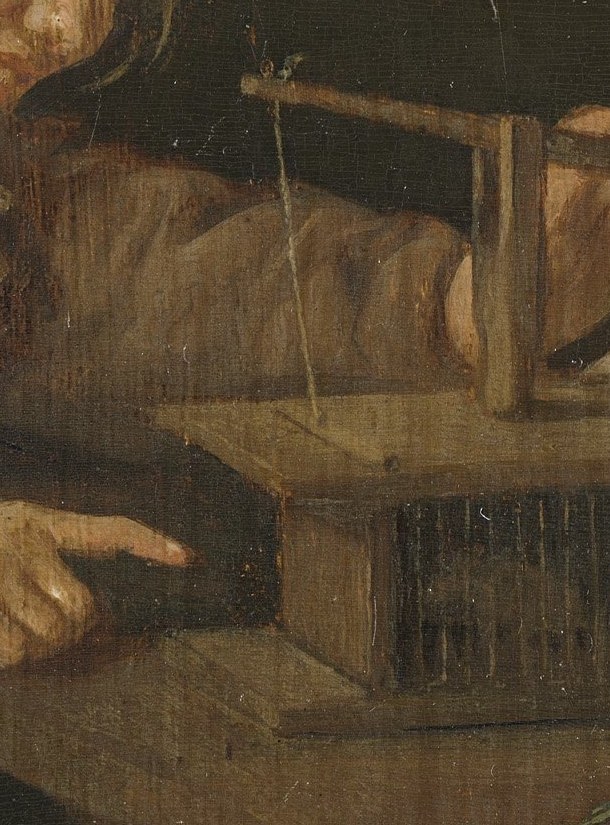
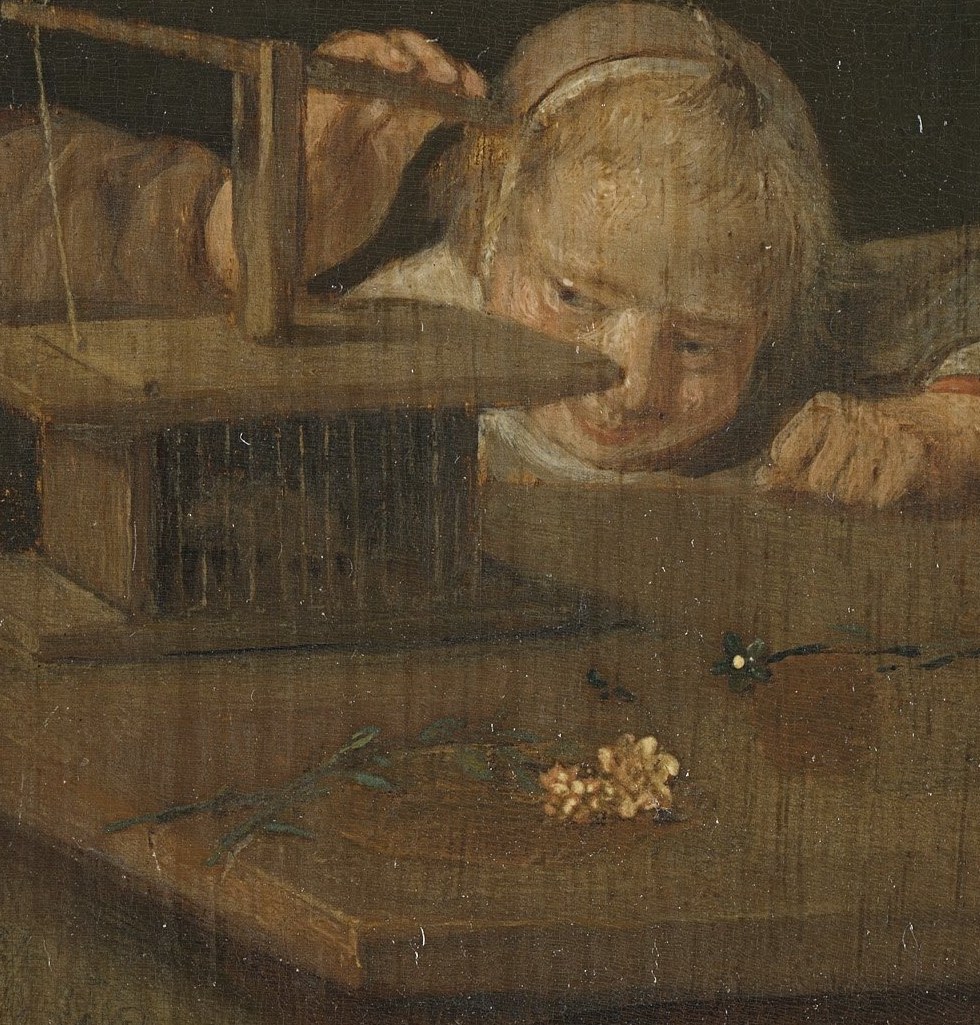
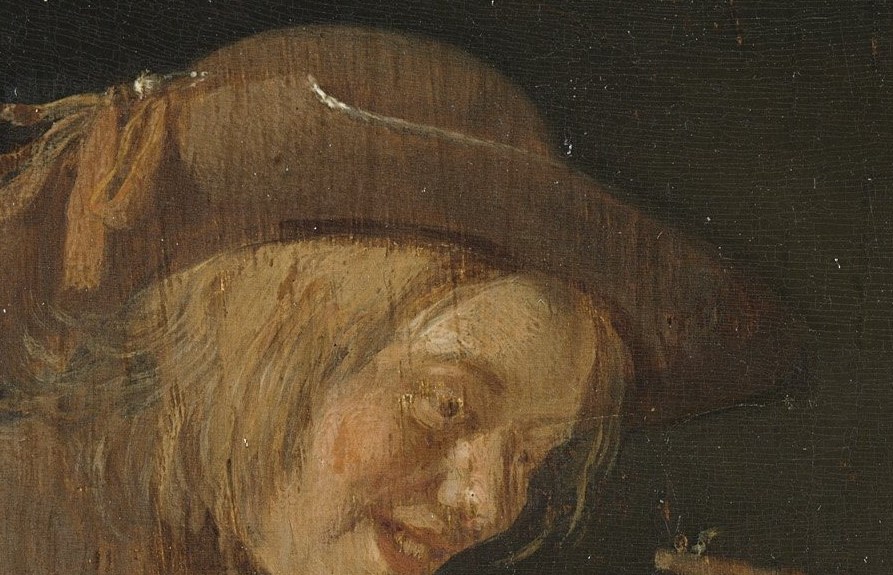
Look at the boy's finger pointing to the catch, the wood grain on the trap itself, the younger child's wide-eyed curiosity. Every surface, the worn table, the patterned sleeve, the crisp white collar, is painted to convince you this moment is real.
Van Brekelenkam probably trained under Gerard Dou, the most celebrated of the Leiden fijnschilders. Dutch Golden Age genre paintings like this one used ordinary domestic objects, a mousetrap, scattered nuts, to teach lessons about vigilance and moral awareness. The trap was never just a trap.
Four centuries later, the lesson holds: slow down and look. The detail you miss is the detail the painter built the whole scene around.
Details
Transcript
In 1660s Leiden, a painting could be a moral lesson. A boy demonstrates a wooden trap. A younger child watches. Wood grain, string, a simple spring. Painted to convince. The painter was a Leiden fijnschilder. A fine painter who left nothing to chance. Wide-eyed curiosity. A lesson about paying attention.