明 傳項元汴 秋江圖 卷|River Landscape by Xiang Yuanbian
This is "River Landscape," a handscroll painted in 1578 by the Ming dynasty artist Xiang Yuanbian. It's held today by the Metropolitan Museum of Art.
The price this scroll commanded the year after the artist died tells you exactly what his culture valued. In 1591, a wealthy official paid 800 taels of silver for it, the going rate for a substantial house in Ming China. He was buying a few feet of ink on paper.
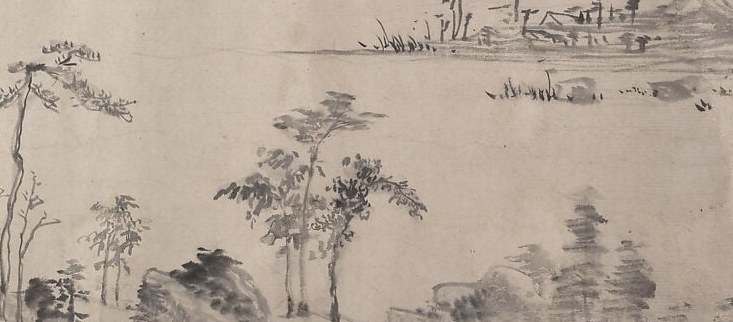
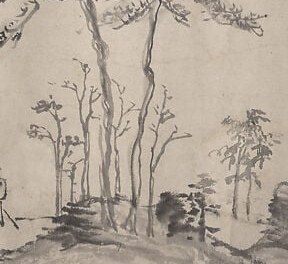
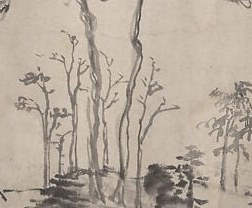
Look at the water: most of the river is just untouched paper. In Chinese ink painting, emptiness is presence, the paper reads as light and air by negation. But the rocks on the near bank, scratched with a nearly dry brush, are the real reason for the price. Each rough stroke is a record of the artist's hand moving across the paper, and it's that trace of the man himself that was valued above all.
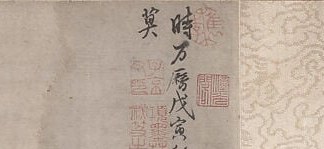
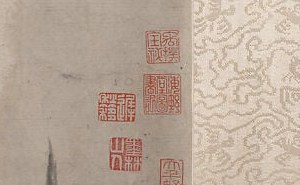
History has marked the painting as literally as the brush did. The red seals stamped in the lower right are ownership chops, each one a collector who held this scroll across the centuries. They're a visible chain of provenance from the Ming dynasty to today.
Next time you're in the Met, find this handscroll in the Chinese painting galleries. How long would you hold a single brushstroke in your eye if you knew it was worth a house?
Details
Transcript
In 1591, a wealthy official paid 800 taels of silver for this. That was the price of a large house in Ming China. Look at the water. Most of it is just blank paper. Now look closer at the shore. The painter scratched these rocks with a nearly dry brush. Every stroke prices this: not imagery, but the hand of the man himself. Red seals map the hands it passed through after.