Lengua Indians Ascending the Rapids of the Rio Uruguay by Catlin, George
George Catlin, originally a lawyer, left his profession to dedicate his life to documenting Indigenous cultures across the Americas. His painting, *Lengua Indians Ascending the Rapids of the Rio Uruguay* (1854/1869), housed at the Smithsonian American Art Museum, captures a moment of remarkable communal effort.
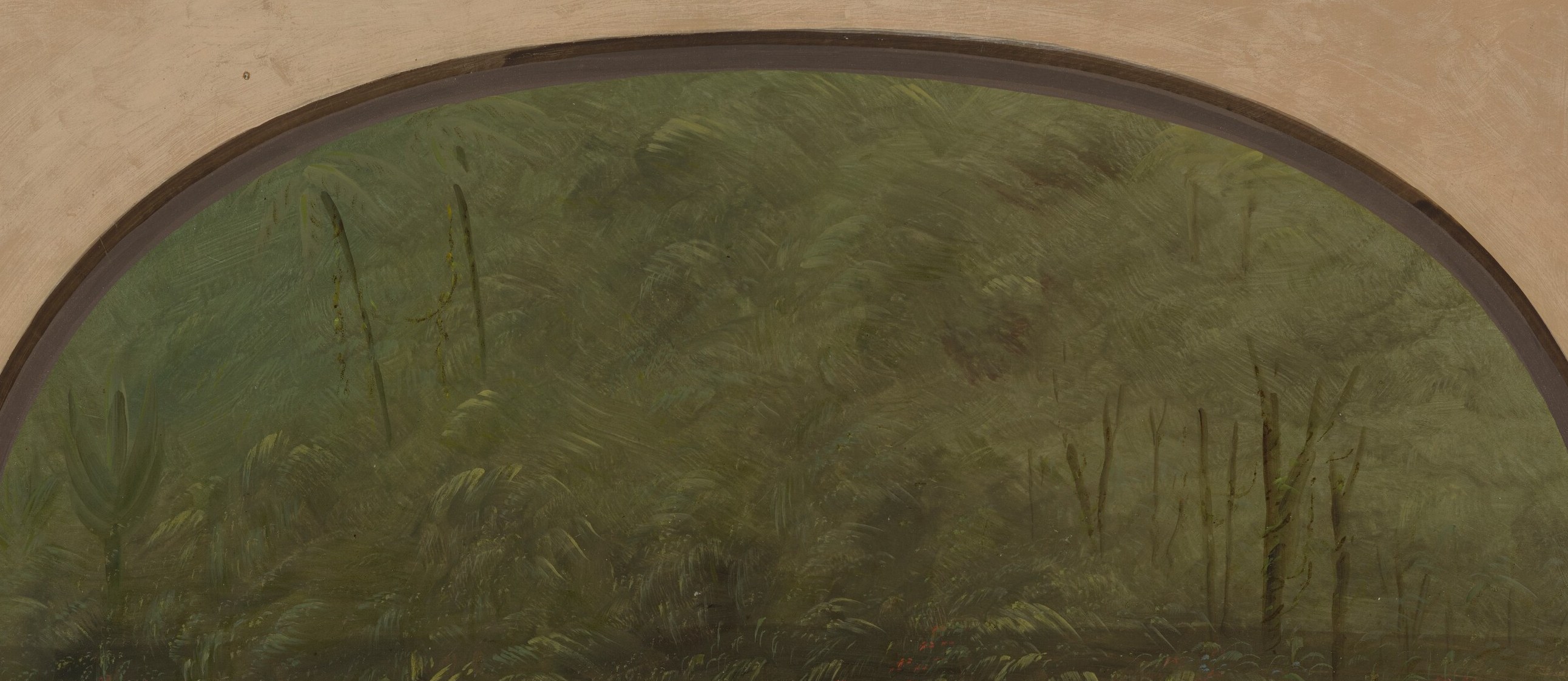
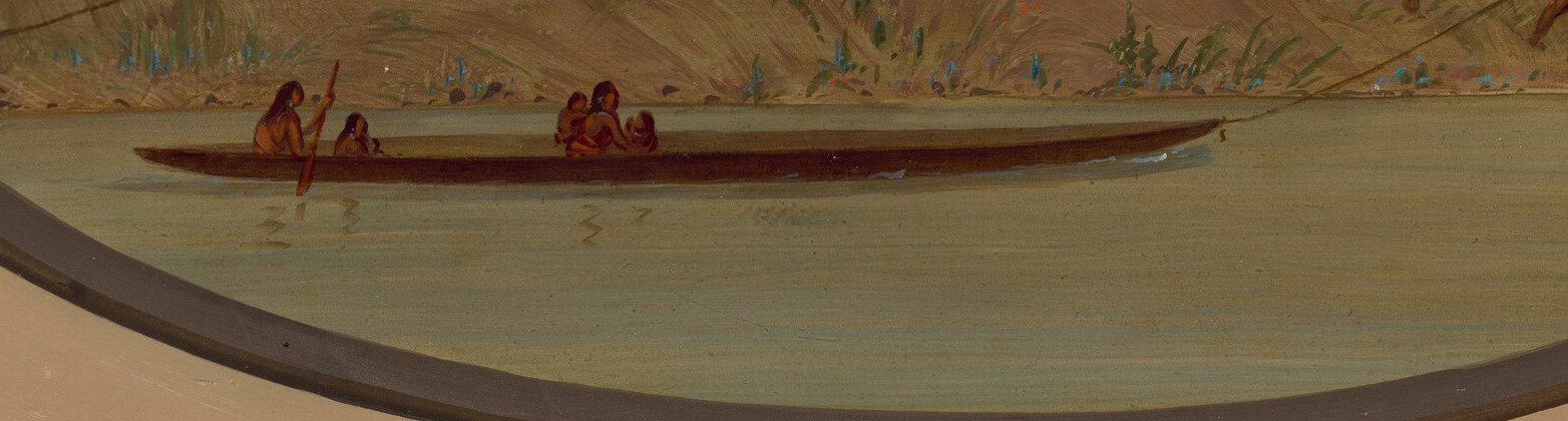
Look closely at how the figures work together: one man pulls a rope from the riverbank, another from the center, while a woman paddles the canoe. The dense foliage and rolling hills emphasize the wild, untamed environment these communities navigated with skill and cooperation.
Catlin's travels in the 1830s across the American frontier led him to specialize in scenes of Native American life, creating a vital visual record of diverse cultures. This work is part of his broader ethnographic series, showcasing his lifelong commitment to portraying these communities with respect and detail.
What can we learn about perseverance and collaboration from this scene?
Details
Transcript
This painter, a lawyer by training, dedicated his life to Indigenous cultures. He documented Native American life across the American frontier. Here, Lengua people ascend the rapids of the Rio Uruguay. It takes communal effort: one man pulls a rope from the bank, another pulls from the center, as the woman paddles. His detailed ethnographic observations became a vital visual record.