Portrait of a Venetian Senator by Vincenzo Catena
In the "Portrait of a Venetian Senator" by Vincenzo Catena, painted around 1525, a powerful figure from the Renaissance gazes out with an unsmiling, authoritative expression. This oil painting, part of The Metropolitan Museum of Art's collection, captures the essence of Venetian portraiture through its subject's dignified pose and intense gaze.
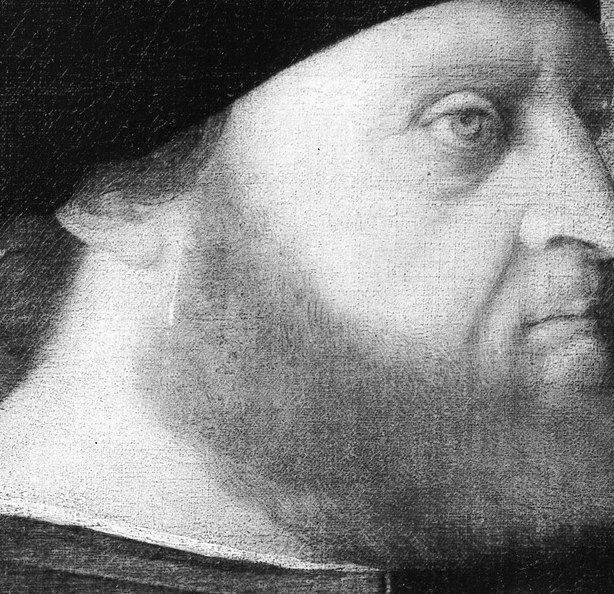
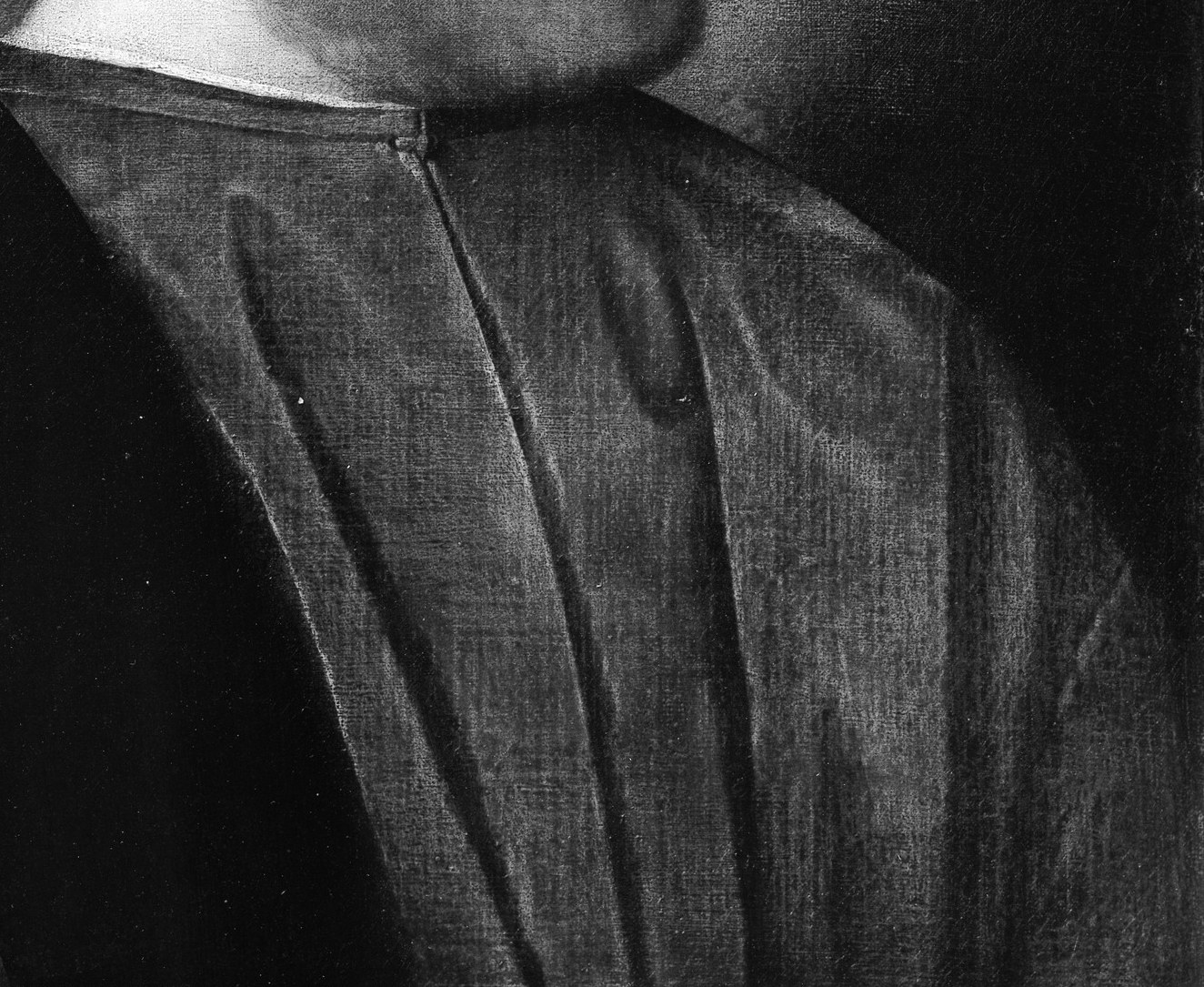
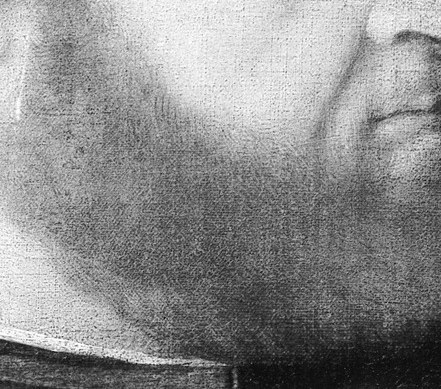
Notice the senator's strong profile and the subtle play of light and shadow across his face. Catena, a notable artist of the Venetian school, masterfully used these techniques to give the figure a three-dimensional and lifelike quality, emphasizing his presence and status. The artist's skill in rendering textures is evident in the folds of the senator's dark robe, which contribute to his somber and respectable appearance.
Catena, also known as Vincenzo de Biagio, was active during a period when Venetian art was celebrated for its rich colors and nuanced light. This portrait is a testament to the era's focus on conveying a sitter's character and social standing through subtle artistic choices rather than overt embellishment.
This painting invites us to ponder the inner life of this anonymous, yet compelling, figure from half a millennium ago. What stories might his watchful eyes have seen?
Details
Transcript
This Venetian senator looks out, unsmiling, across 500 years. His profile is strong, a man of power and quiet authority. The artist, Vincenzo Catena, was a master of the Venetian school. Catena used subtle light and shadow to create this lifelike form. His serious expression is typical of formal Renaissance portraits. The simple, dark robe emphasizes his gravitas, not his wealth.