Holy Family with Saint Anne by http://www.wikidata.org/.well-known/genid/283ed1539f9cb61b571eb2b63763262a
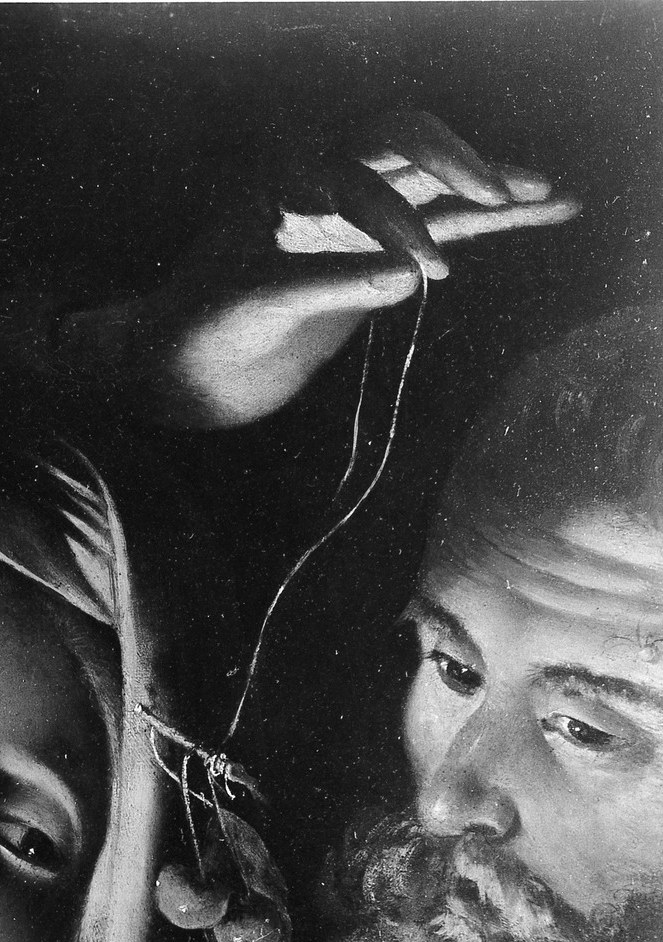
This is Bartolomé Esteban Murillo's 'Holy Family with Saint Anne,' painted around 1670 in Seville. For decades it hung in a quiet parish church until 1975, when thieves cut it from the frame. Unlike the famous Isabella Stewart Gardner heist, this theft produced almost no headlines, and for years the painting dropped entirely from public view.
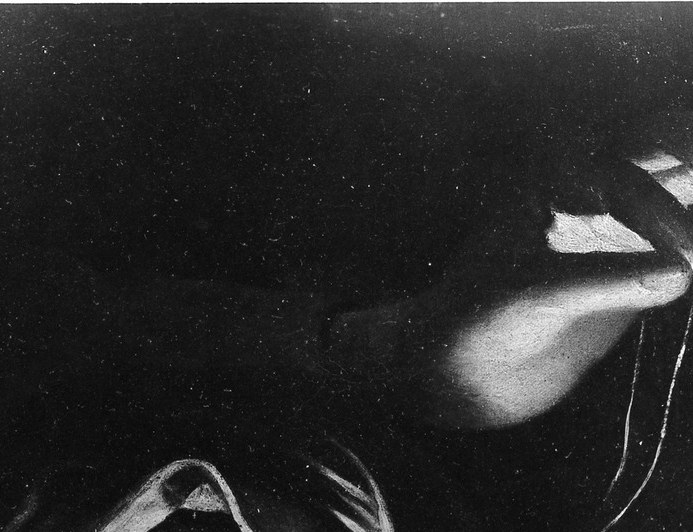
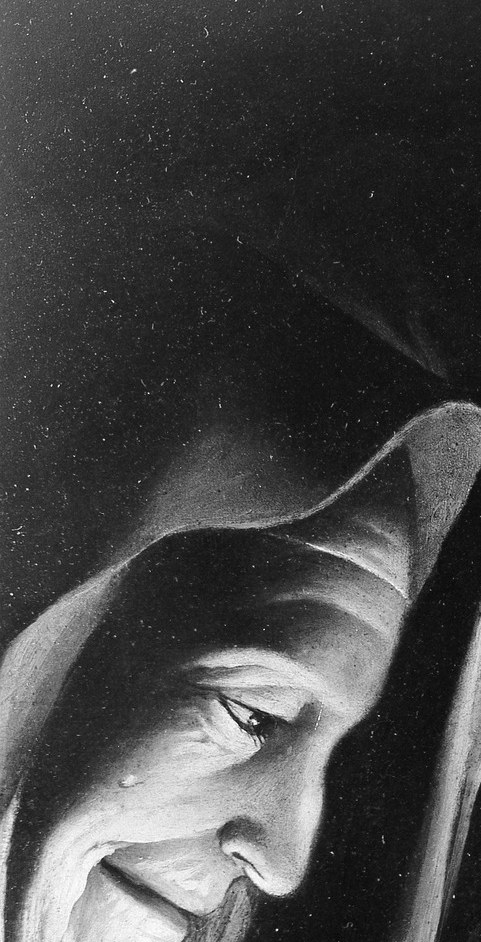
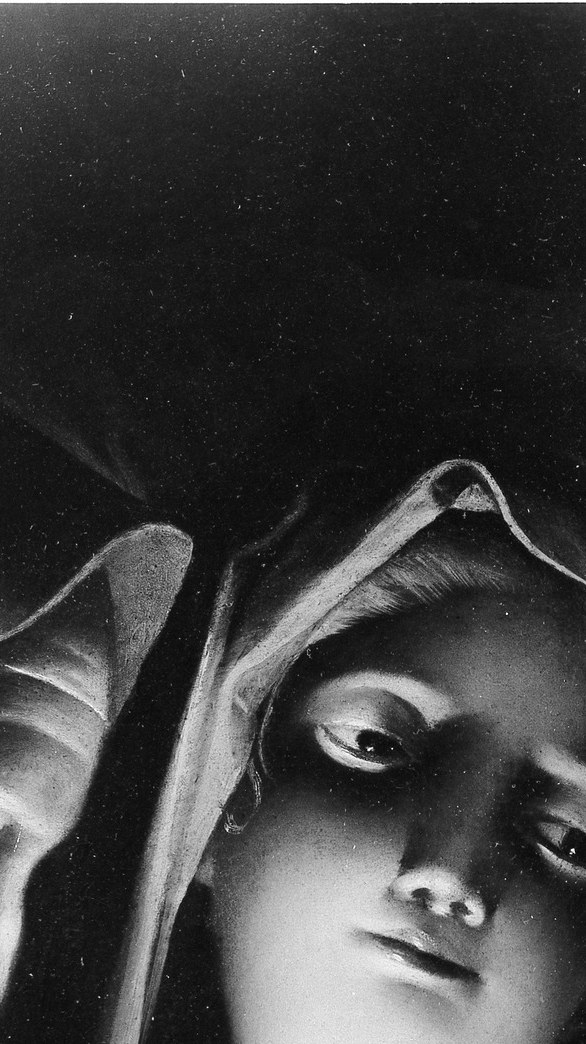
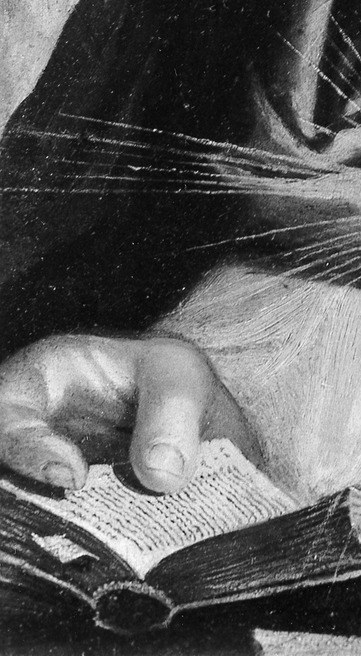
Look at Saint Anne's face. She is laughing, not smiling, with teeth visible. In Counter-Reformation Spain, a period of intense theological seriousness, a saint shown laughing out loud was genuinely rare. Murillo made a deliberate choice here. Then look to the lower left: a single lit candle. The sacred family is gathered in darkness, and the candleflame that lights them also reminds the viewer that human life is a brief, fragile warmth.
The painting resurfaced in a London auction catalogue years after the theft. An art historian, flipping through the pages, recognized the laugh instantly. Murillo's warmth had left a fingerprint too distinct to disguise. The work was seized and eventually restored to its home in the Church of the Magdalena in Seville, where the shadows around Saint Anne still hide nothing from view.
Murillo often gave his Holy Families a very human tenderness. Do you think that very tenderness is what made the painting so easy to steal, and so impossible to keep hidden?
Details
Transcript
In 1975, a gang cut this canvas from its frame in a church. For years, police had no leads. The painting simply vanished. Then an art historian walked into a London auction house. He scanned the catalogue and froze on a single detail. Saint Anne's open laugh. It was instantly recognizable. No devotional painting of the period gives a saint teeth. A candle tells us why: mortality is brief, joy is the point.