The foolish virgins and the wise virgins by Pieter Lisaert
Pieter Lisaert's "The foolish virgins and the wise virgins," painted in 1593 and held at the Museo del Prado, offers a window into 16th-century moral allegories. This oil painting draws on the biblical parable to illustrate themes of preparedness and folly through a secular garden setting.
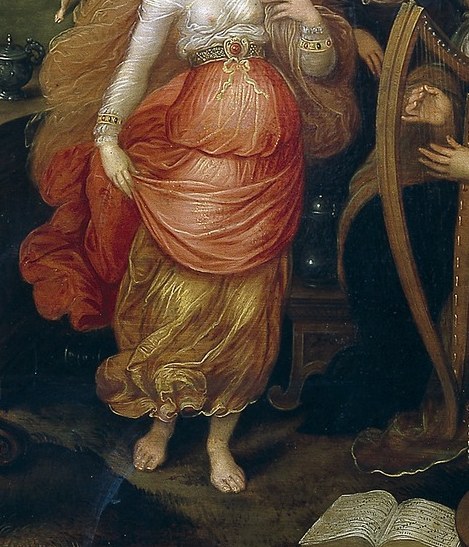
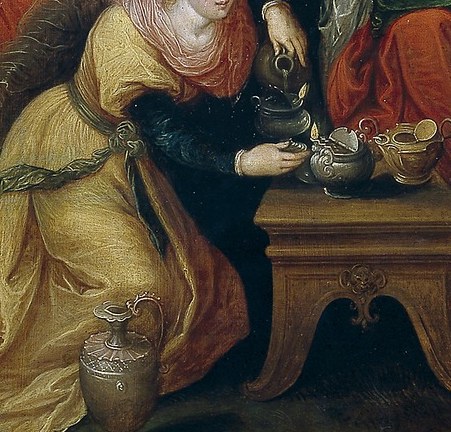
The painting visually contrasts figures engrossed in reading and spinning thread, representing wisdom and diligence, with those distracted by music, cards, and rattles, symbolizing worldly pleasures. Look closely at the details, from the focused expressions of the 'wise' to the scattered playing cards of the 'foolish,' and the memento mori skull on the ground.
Lisaert, an Antwerp artist, created this work during the Counter-Reformation, a period when art often served moral instruction. His blend of religious narrative with everyday scenes, set in an idealized classical garden, was typical of late Renaissance allegories.
This painting invites us to reflect on the choices we make and what truly holds our attention. What details in the scene resonate with you?
Details

Transcript
This painting from 1593 tells a timeless story. It shows 'wise' virgins, always prepared, reading their books. And 'foolish' virgins, distracted by cards and music. A common moral in 16th-century art was to be ready. Underfoot, a skull reminds viewers of mortality. The painter Pieter Lisaert blends religious parable with everyday life.