The Adoration of the Shepherds by El Greco
View the artwork: The Adoration of the Shepherds →
The single most surprising fact about El Greco's The Adoration of the Shepherds (1612-14, The Metropolitan Museum of Art) is that he painted it for his own burial chapel. This smaller canvas is a variant of the altarpiece he created for the church of Santo Domingo el Antiguo in Toledo, where he intended to be interred. The larger version is now in the Prado; this one entered the Met in 1941 as part of the George Blumenthal bequest.
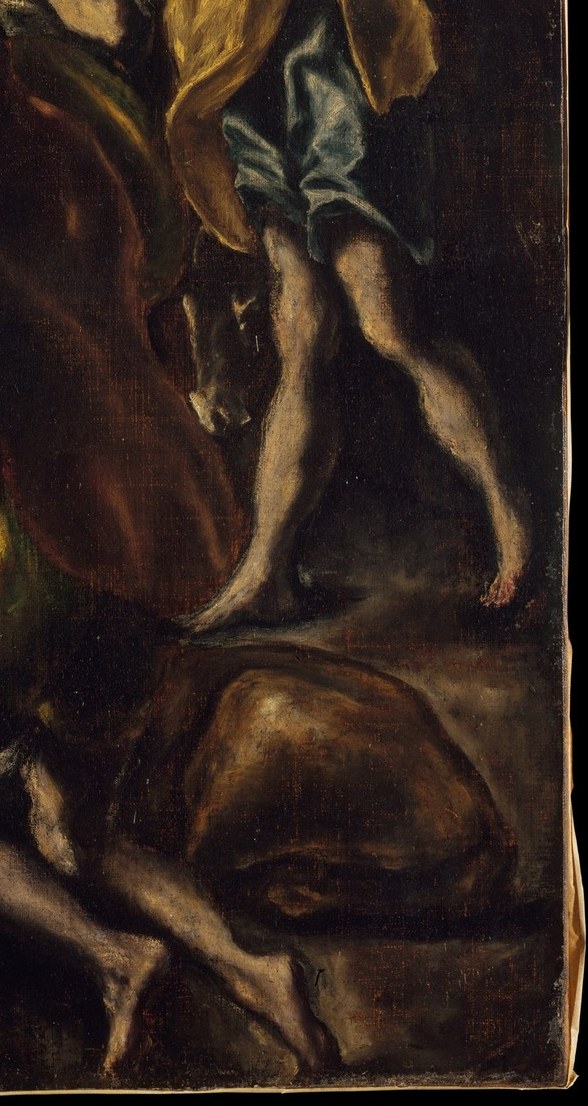
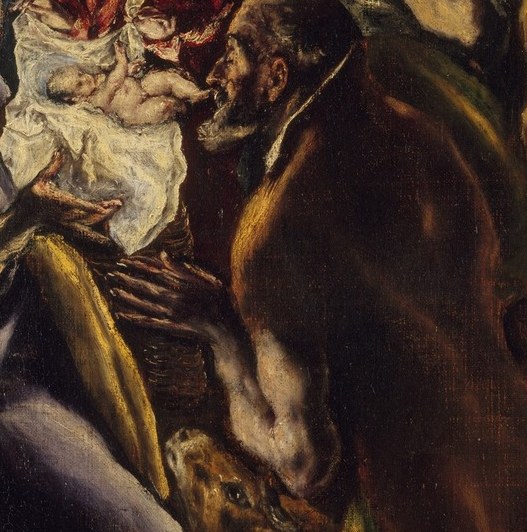
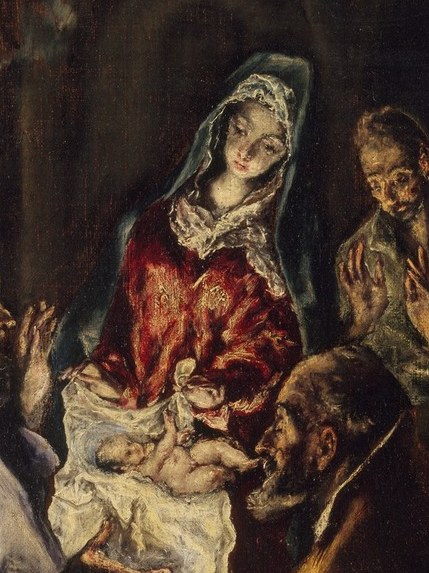
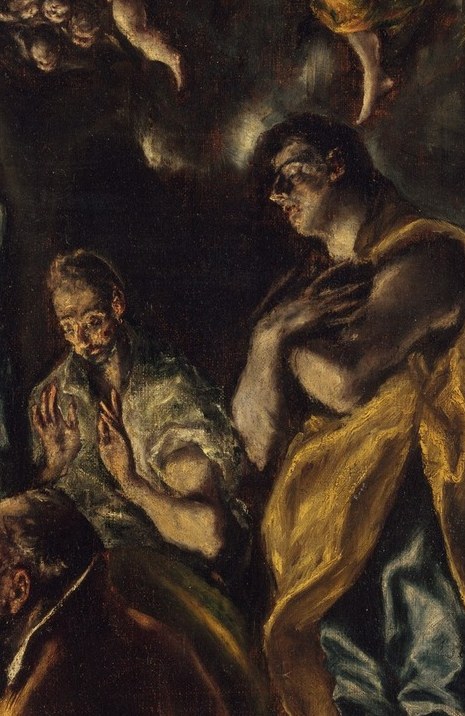
The painting is a nocturnal Nativity, but El Greco inverts every convention: the infant Christ is the only light source, catching the undersides of Mary's hands and the faces of the shepherds. Look for the acid-yellow drapery in the lower right, a near-abstract chromatic shock that still unsettles viewers four centuries later. The figures are elongated almost impossibly, the bodies stretched parallel to the picture plane, a signature of El Greco's final Mannerist phase.
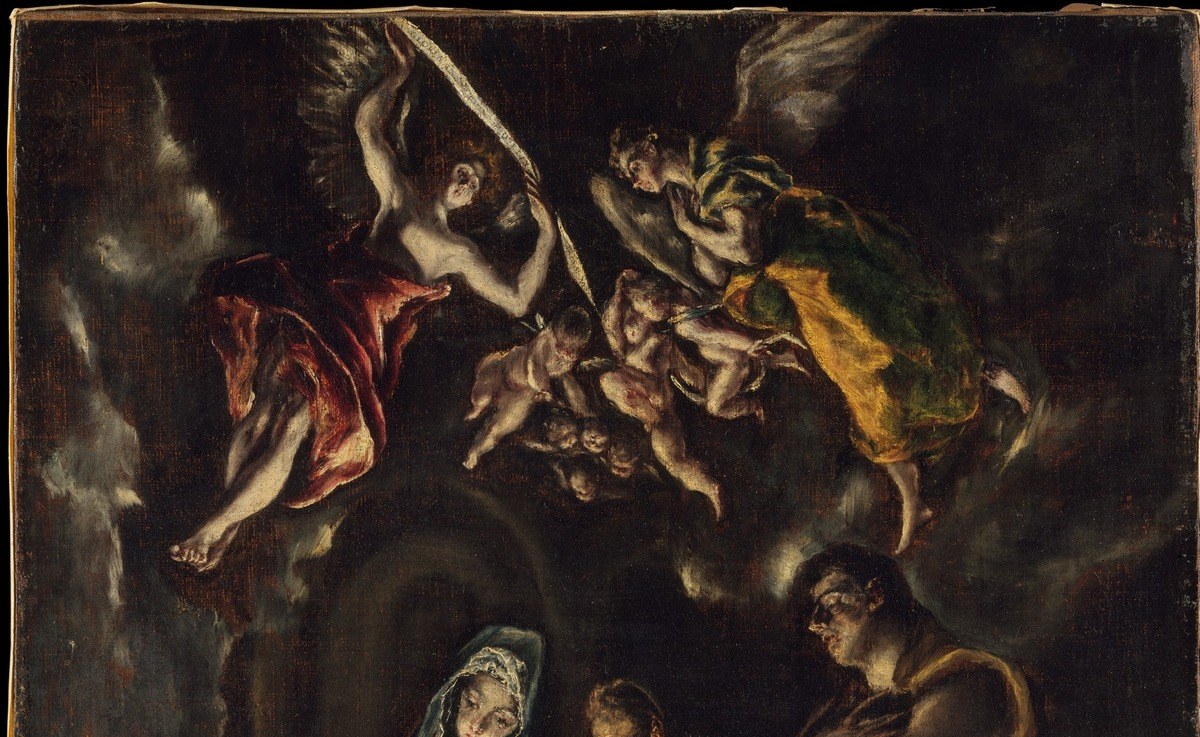
The reward for slowing down is in the upper darkness. Angels dissolve into turbulent clouds, but in the upper left, a single face materializes out of the near-black. It is not hidden in symbolism; it is hidden in looking. Most people scroll past it, but once you see it, the whole composition reorients around that watching presence.
What else might still be hiding in the void between heaven and earth?
#arthistory #elgreco #metmuseum
Details
Transcript
You have to work to see everything in an El Greco. He painted this for the chapel where he planned to be buried. The only light source is the infant himself. A physical impossibility that reverses every shadow in the scene. Angels dissolve into the dark above them. Now look into the upper left cloud. Let your eye settle. A single face emerges from the turbulence, watching.