Still Life with Apples and a Pot of Primroses by Paul Cézanne
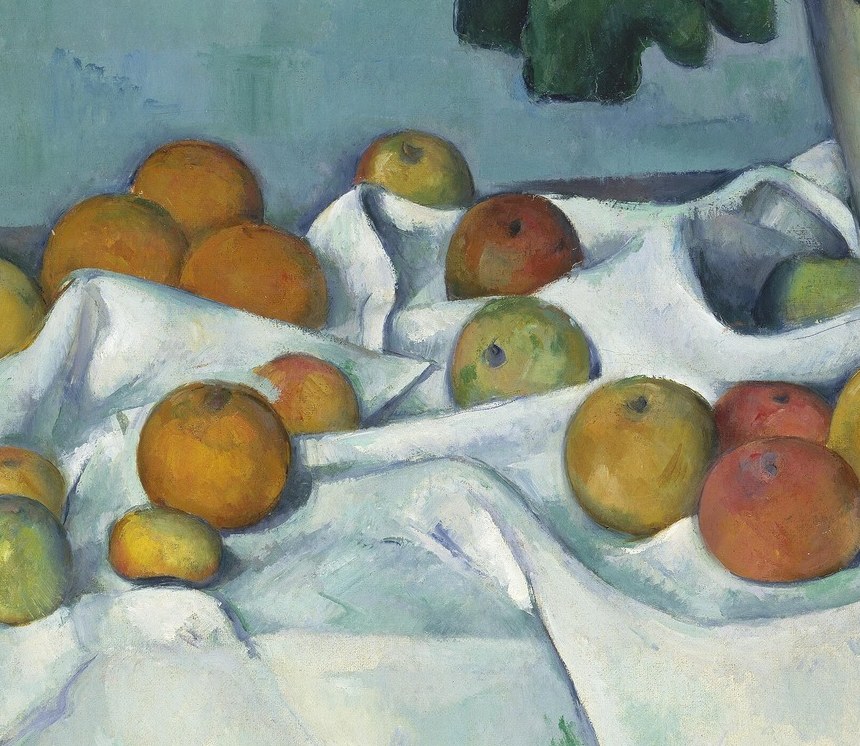
Paul Cézanne's Still Life with Apples and a Pot of Primroses, painted around 1890, is a masterful example of his revolutionary approach to the still life genre. Housed in a major museum collection, this painting showcases Cézanne's unique method of building form and volume not through traditional chiaroscuro, but with modulated brushstrokes and layers of oil paint.
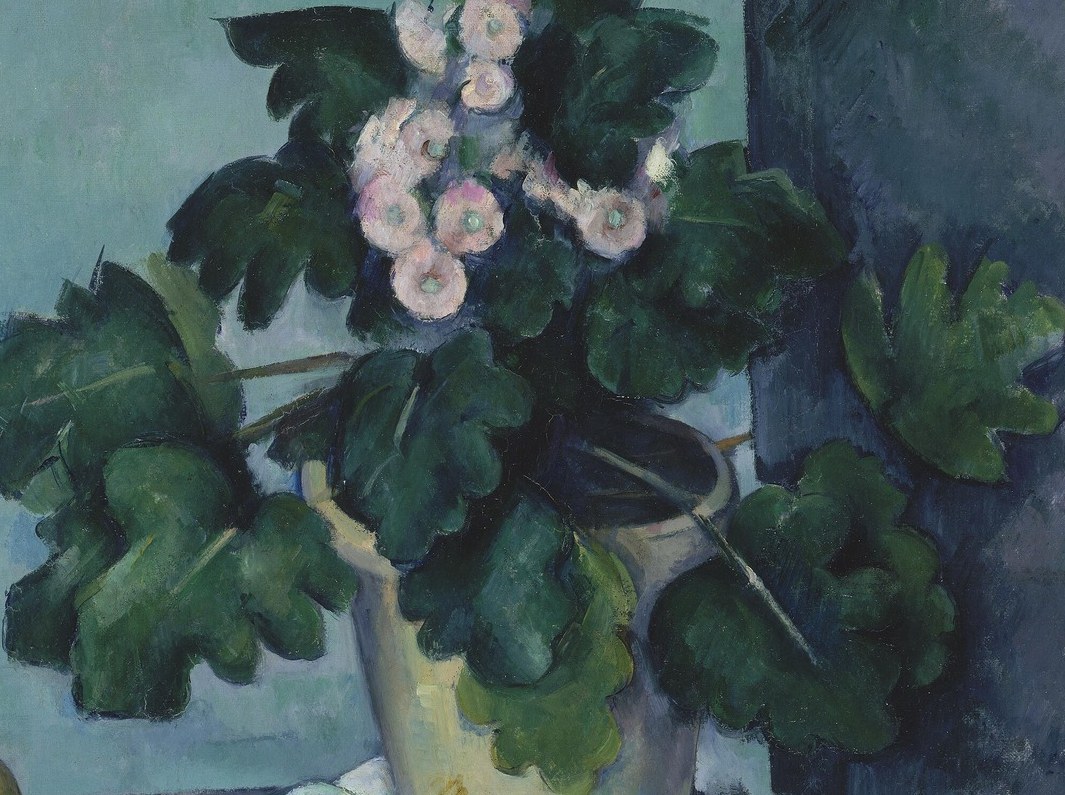
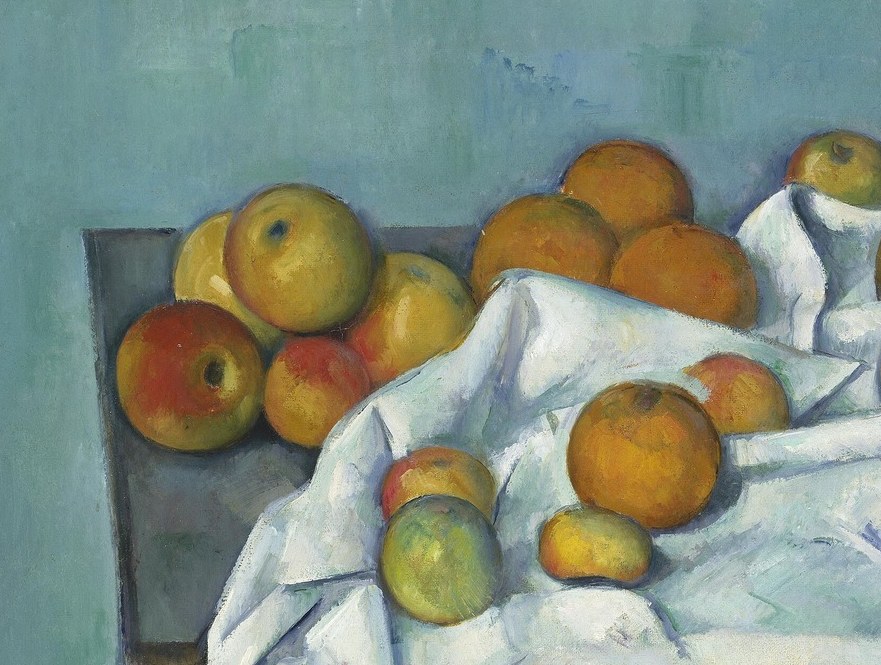
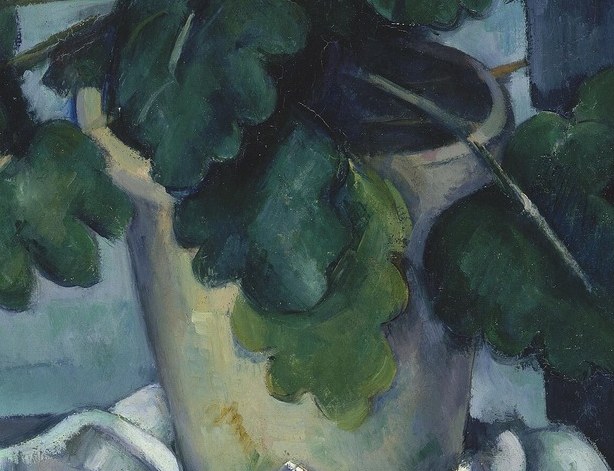
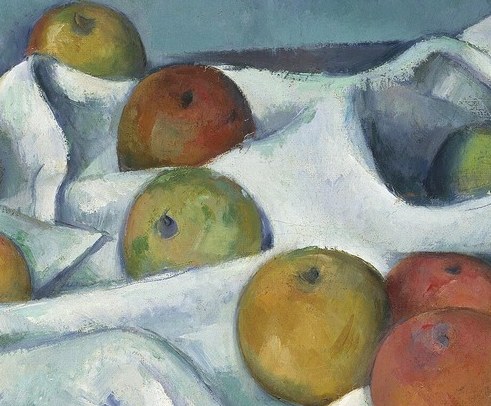
Notice the distinct, thick brushstrokes, particularly evident in the apples and the foliage, which give the canvas a palpable, almost tactile texture. Cézanne famously rendered objects from multiple viewpoints simultaneously, a technique visible in the subtly distorted ceramic pot or the way apples seem to sit on the table, defying conventional perspective. This innovative approach created a sense of dynamic stability, challenging the viewer's perception of reality.
Cézanne's intensive study of his subjects and his departure from academic rules made his early works often misunderstood. However, his radical pictorial language, emphasizing underlying structure and formal qualities, formed a crucial bridge between 19th-century Impressionism and 20th-century Cubism. He taught the art world to see nature not just as it appears, but as geometric forms awaiting reconstruction.
This painting invites us to look beyond mere representation and engage with the very act of seeing. What do you notice first about how he handles the apples?
Details
Transcript
This painter changed how we see reality. He built form with color and brushstrokes, not light and shadow. His brushwork creates palpable texture across the canvas. Look closely at the ceramic pot: it's subtly distorted. He painted objects from slightly different viewpoints at once. This fractured perspective influenced Cubism and modern art. His still lifes were a bridge between Impressionism and new forms.