William Robertson (1753–1835), Lord Robertson by Henry Raeburn
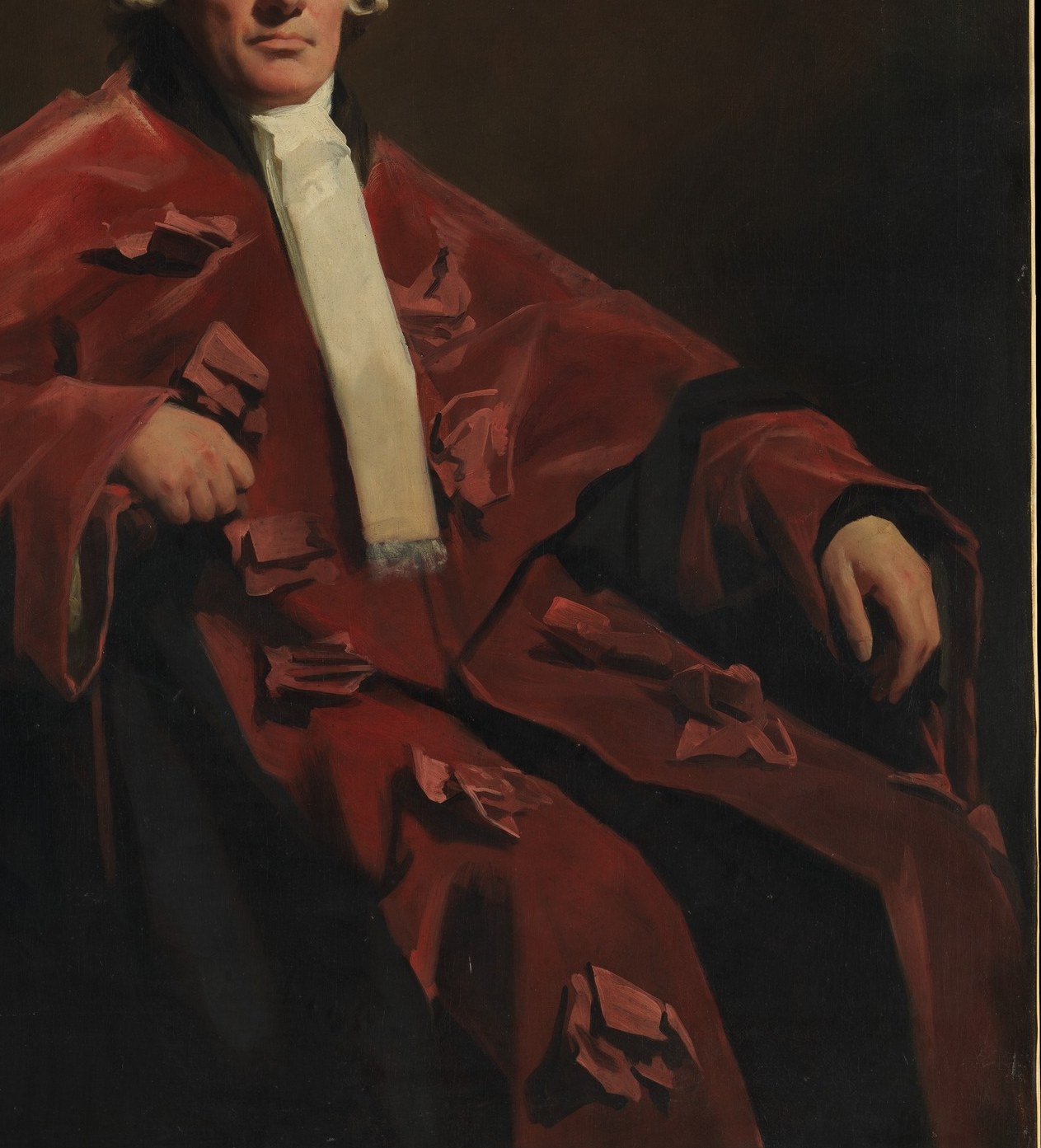
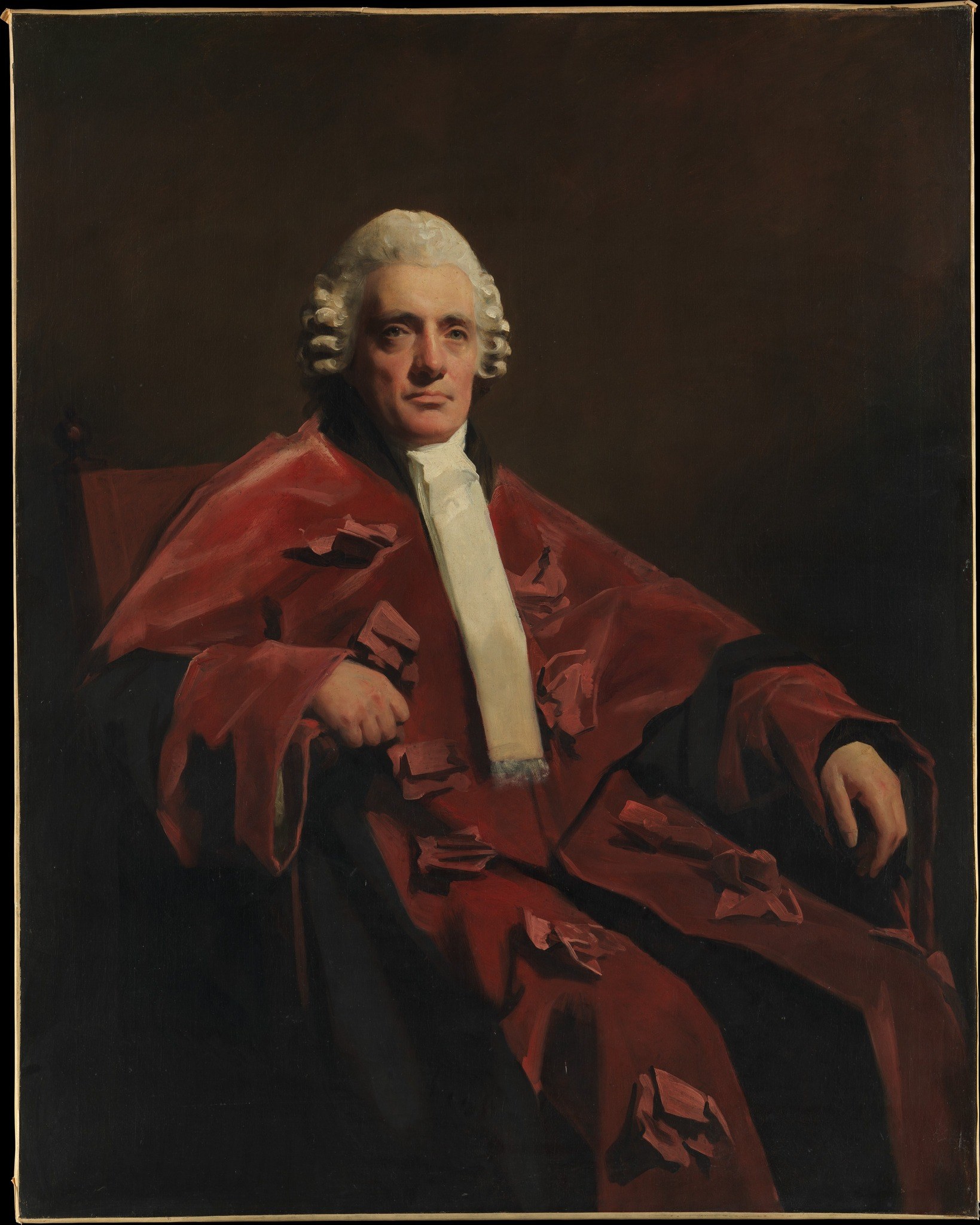
This striking 1805 oil portrait by Henry Raeburn depicts William Robertson, Lord Robertson. Raeburn, a distinguished Scottish portraitist, was celebrated for his ability to convey individual character through direct and forthright compositions, a hallmark of the British Romantic style. This work is part of The Metropolitan Museum of Art collection.
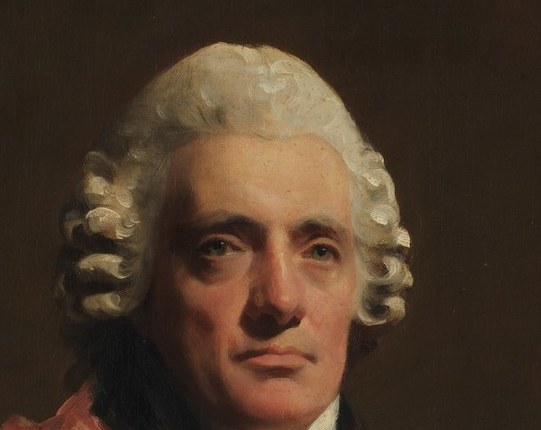
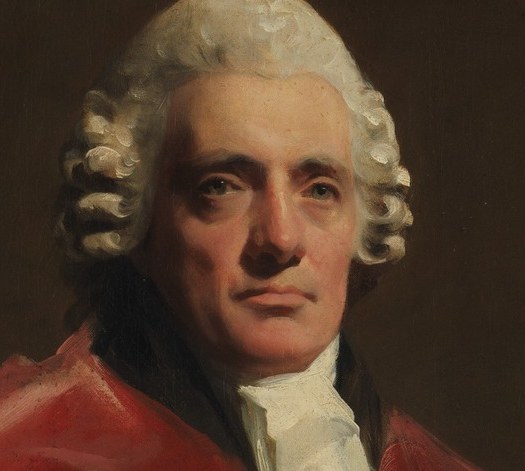
Notice the details that communicate Lord Robertson's high social and professional standing. His rich red robe, likely judicial attire, and the elaborately powdered wig were clear symbols of status and importance in the early 19th century.
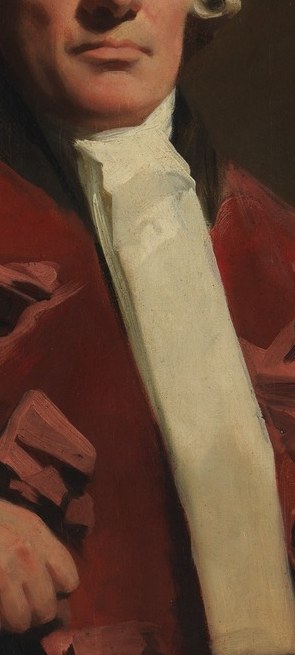
Raeburn's technique, particularly the way light and shadow play on the robe's fabric, enhances Robertson's commanding presence. The dark background further emphasizes his features and the symbolic weight of his garments. It's a masterful study in conveying power through visual cues.
What do you notice first about his expression?
Details
Transcript
This is Lord Robertson, painted in 1805. His red robe speaks to high status, probably judicial. His powdered wig was a marker of wealth and position. The painter was known for capturing individual character. His direct gaze conveys authority and gravitas. Henry Raeburn, a Scottish master, revealed his sitter's power.