George Washington by Savage, Edward
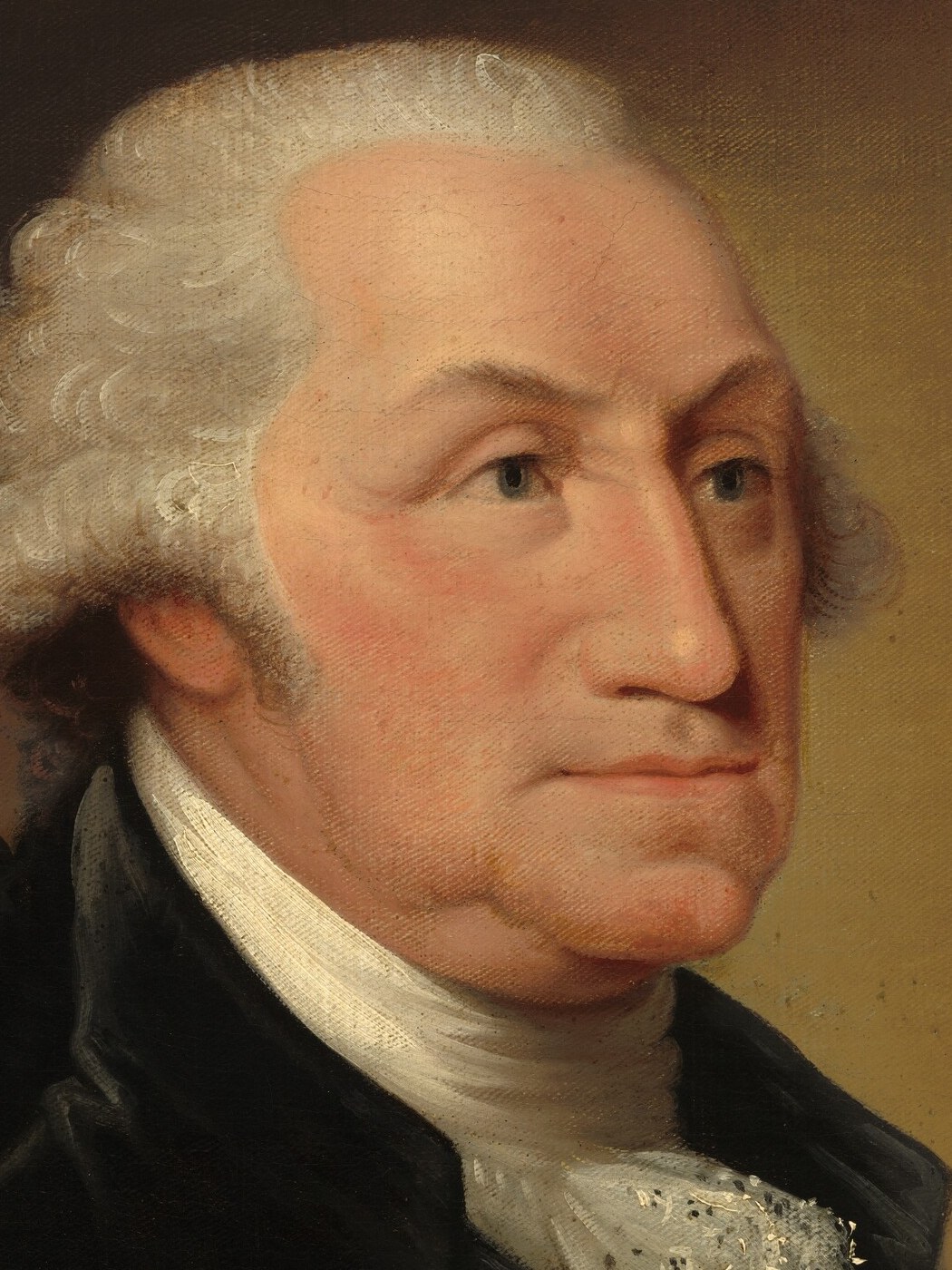
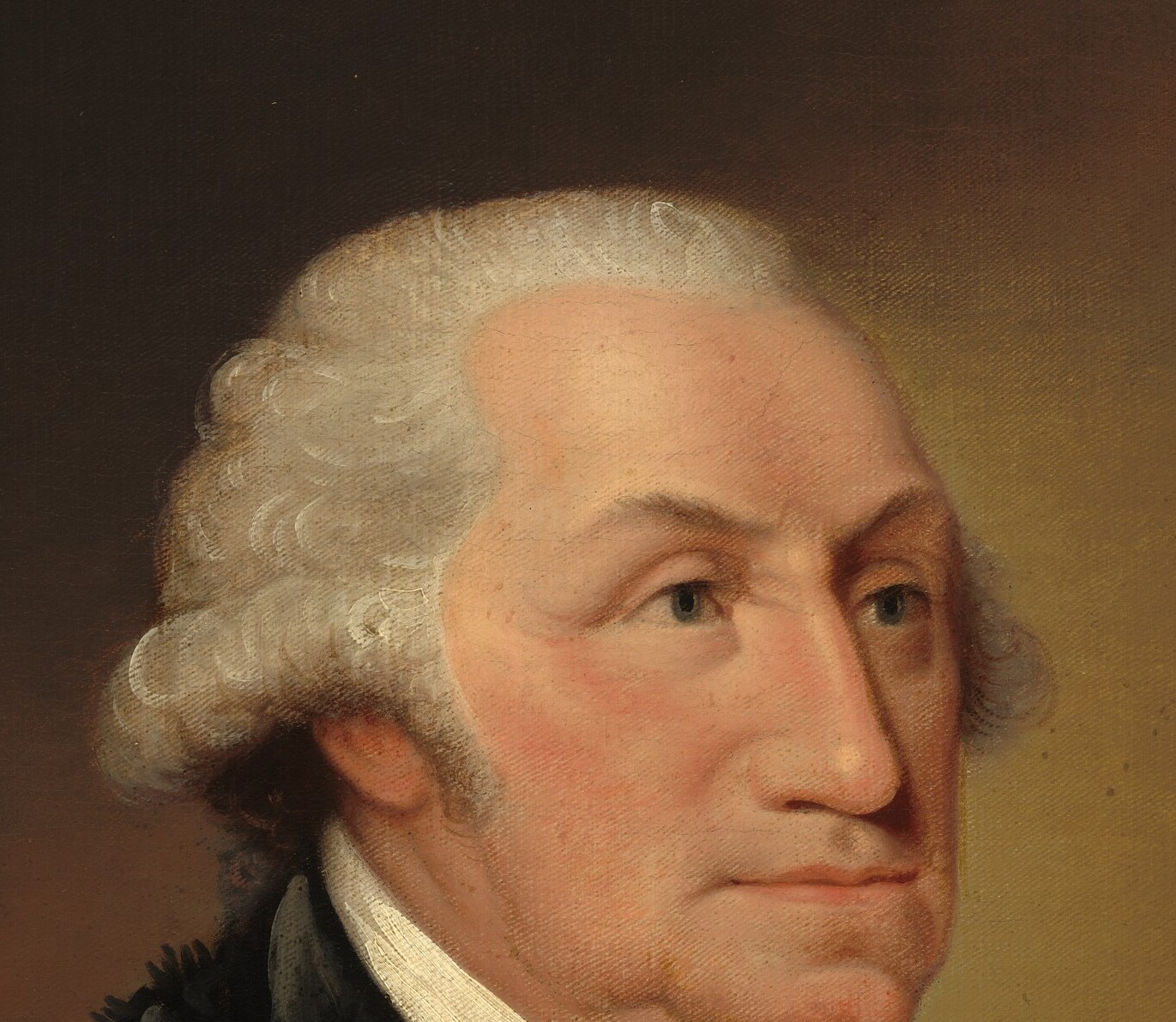
Edward Savage's 1796 oil on canvas portrait of George Washington at the National Gallery of Art presents a formal and dignified depiction of America's first president. Savage was an American painter and engraver known for capturing prominent figures of his time.
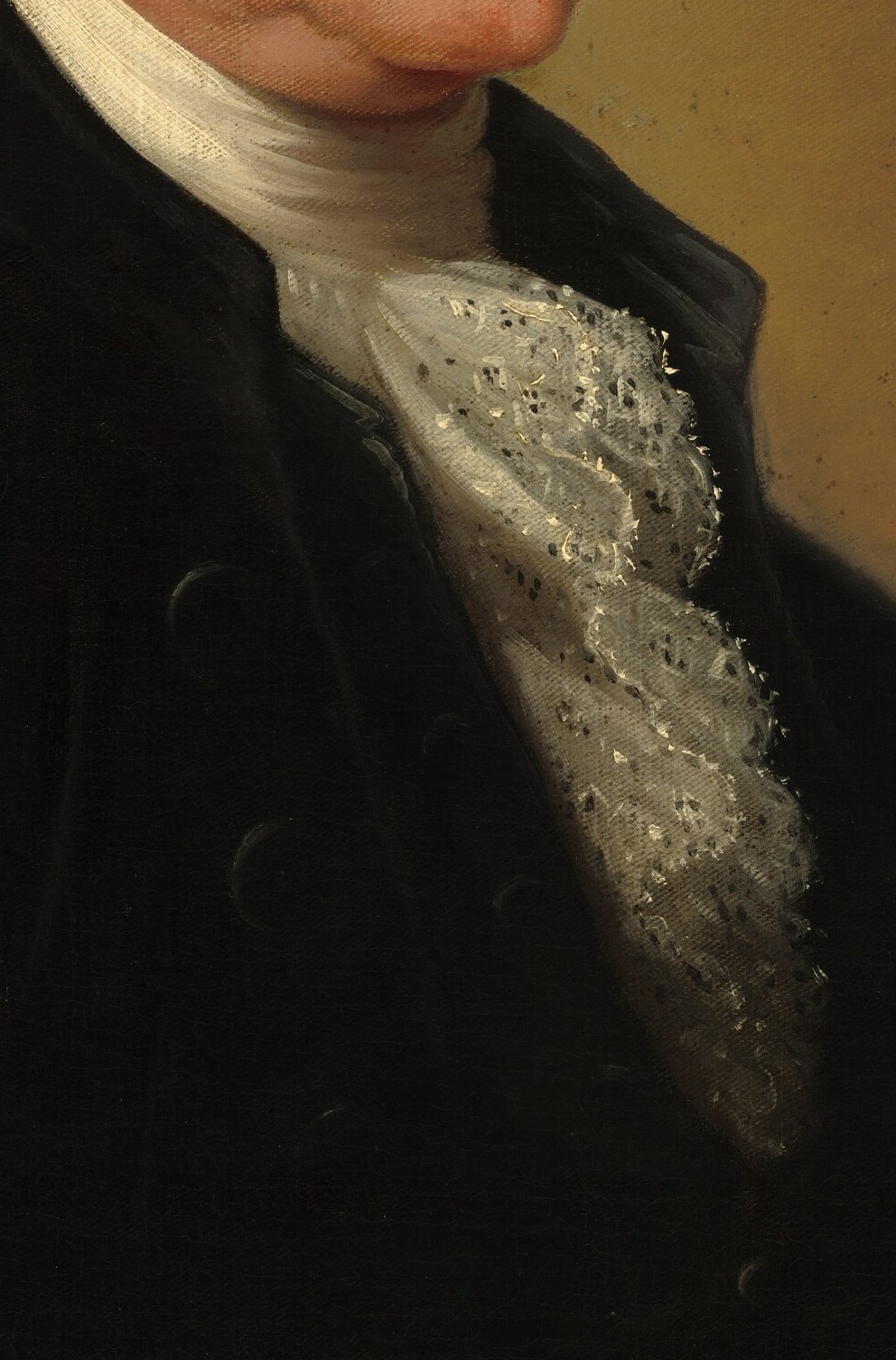
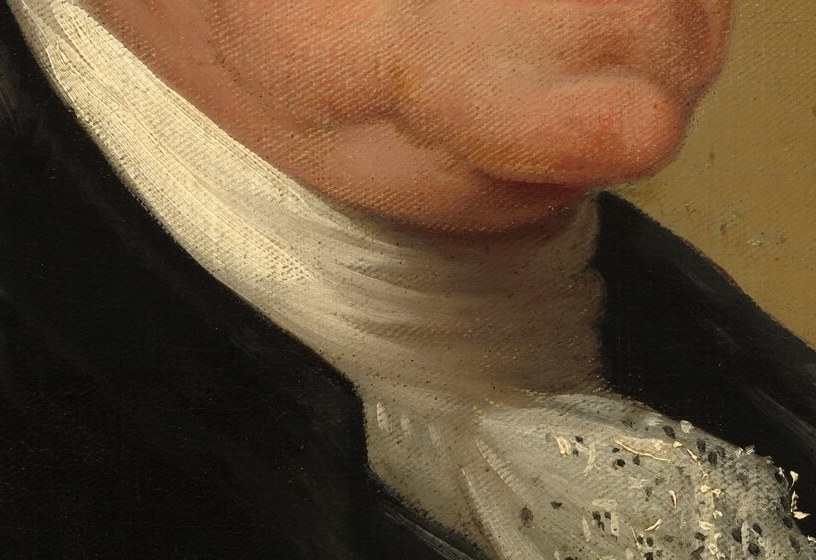
In this work, Washington's composed expression and firm jawline convey the gravitas of his role. Look closely at the meticulous detail in his lace cravat, a testament to the artist's precise technique.
Savage's goal was not just to capture a likeness, but also the solemnity associated with the leader of the nascent American republic. This painting stands as a significant visual record of a pivotal figure in American history.
What details do you find most striking in this portrayal?
Details
Transcript
This portrait captures America's first president. His dignified face embodies the burden of the presidency. Notice the subtle, restrained line of his mouth. It reflects 18th-century republican stoicism, emotion held in check. Every thread of his intricate lace cravat is rendered with precision. The painter, Edward Savage, aimed for realism. His firm jawline projected authority and physical resolve.