Eleazer Tyng by Copley, John Singleton
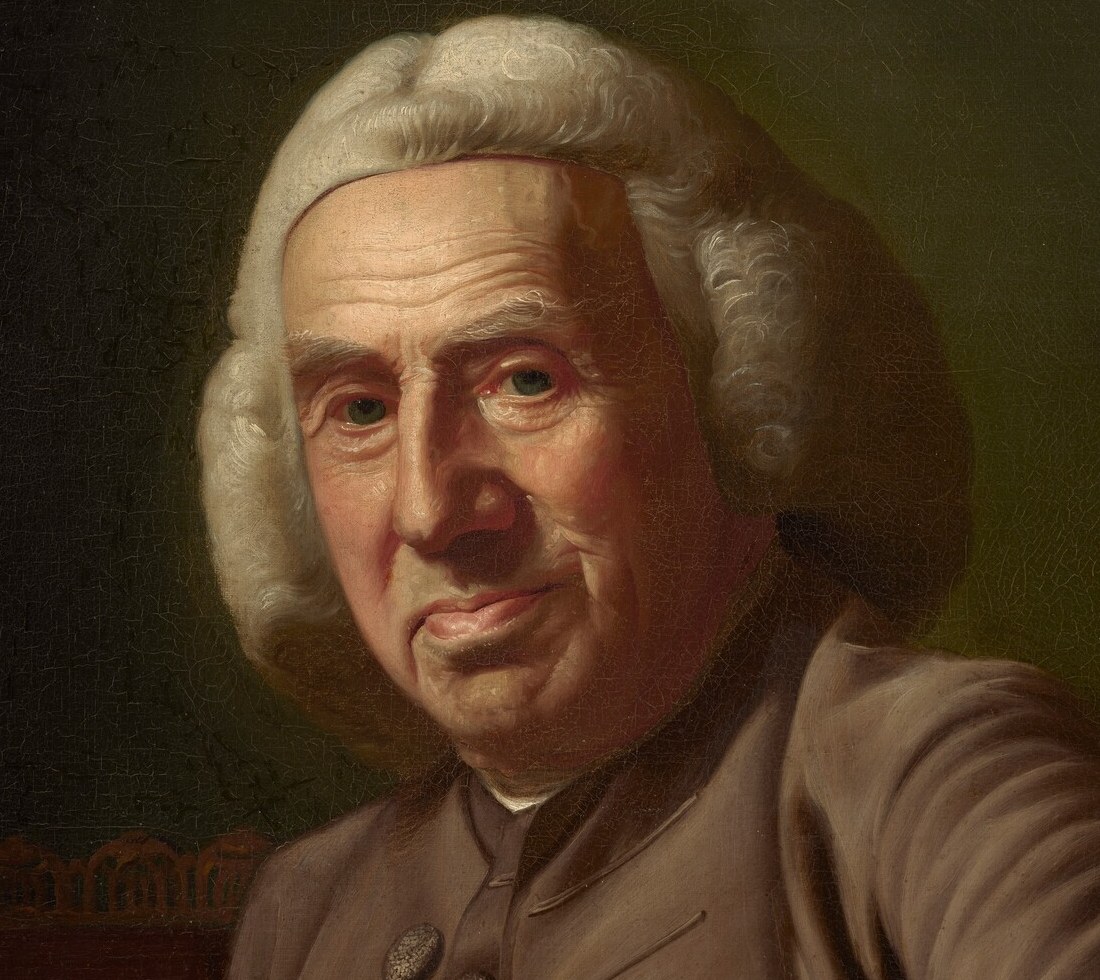
This dignified portrait, "Eleazer Tyng," painted by John Singleton Copley in 1772, captures a prominent figure of his era. Copley, an American artist, was known for his ability to convey the status and character of New England's elite through his meticulous portraits.
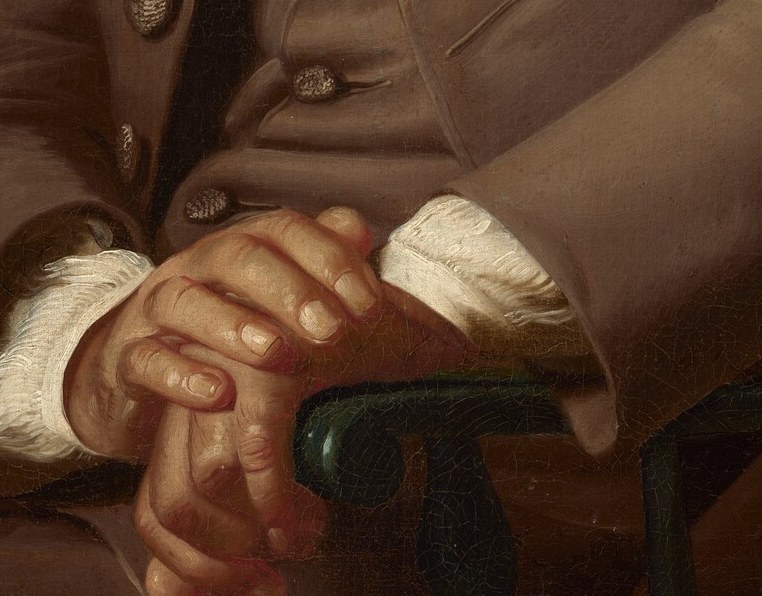
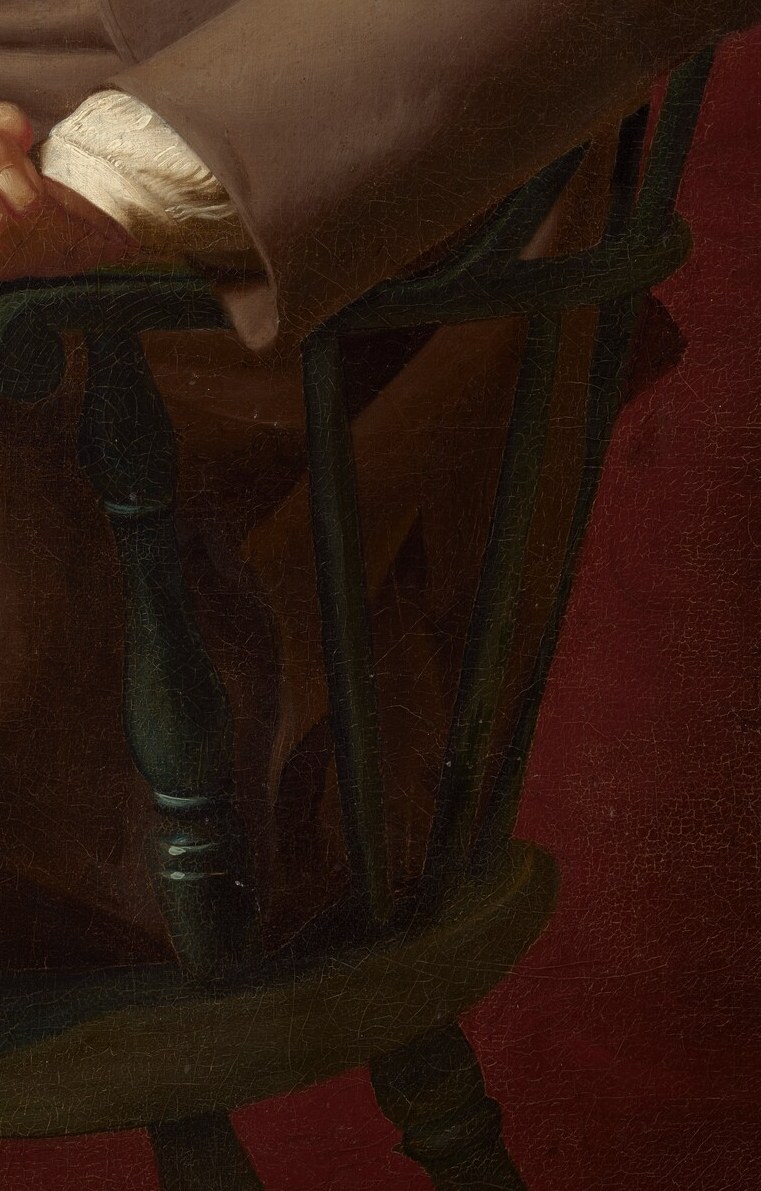
Notice the soft, directional light that beautifully illuminates Tyng's face and hands, bringing out the texture of his skin and the richness of his brown coat. The details, from his powdered wig to the grip on his cane, speak volumes about his position and experience.
Executed in Copley’s mature period, this work showcases his signature chiaroscuro technique. It has been held in private collections for much of its history, a testament to its enduring appeal and historical significance, before finding its place in an institutional setting.
Copley's ability to combine psychological depth with precise detail made him one of the most sought-after portraitists of his time. What do you notice first about Eleazer Tyng?
Details
Transcript
This man is Eleazer Tyng, painted in 1772. Copley was establishing his reputation among New England's elite. His use of soft light highlights Tyng's face and hands. His detailed rendering captured the textures of fabric and skin. Tyng's cane and formal attire underscore his social standing. Copley's portraits recorded prominent figures of his community.