Elizabeth Gray Otis (Mrs. Samuel Alleyne Otis) by Copley, John Singleton
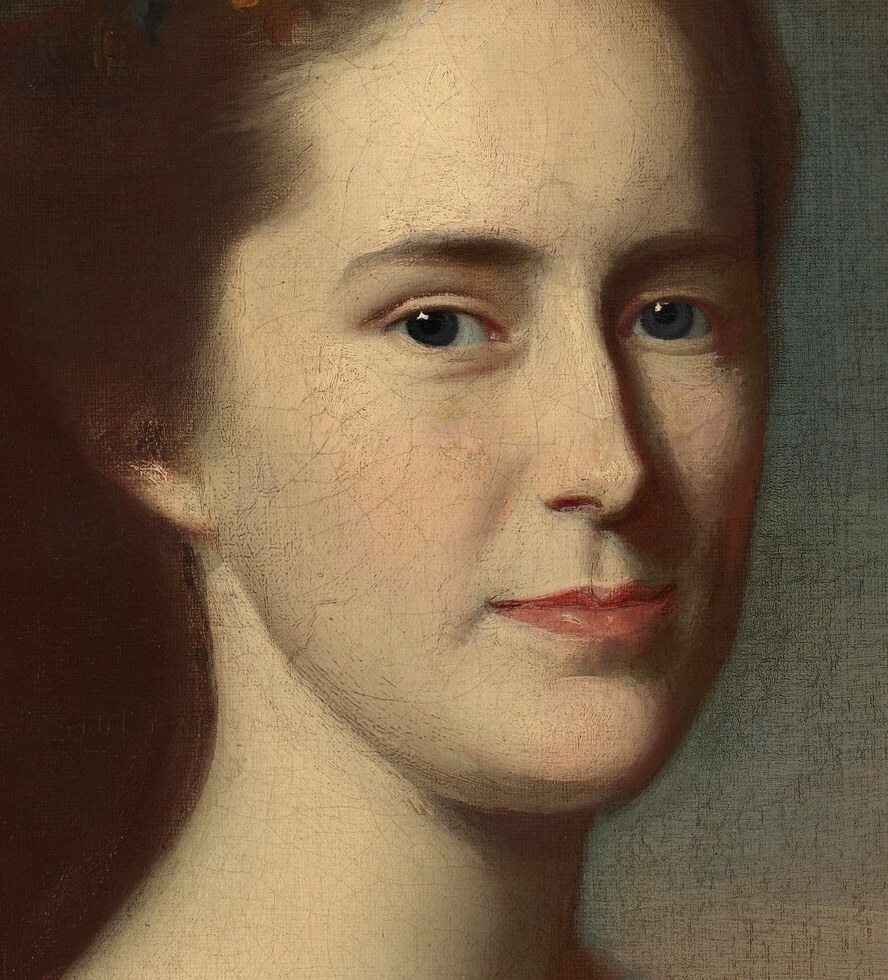
This striking portrait, "Elizabeth Gray Otis (Mrs. Samuel Alleyne Otis)" by John Singleton Copley, painted around 1764, presents a woman of apparent refinement and grace. On view in a prominent museum collection, it's a testament to colonial American portraiture.
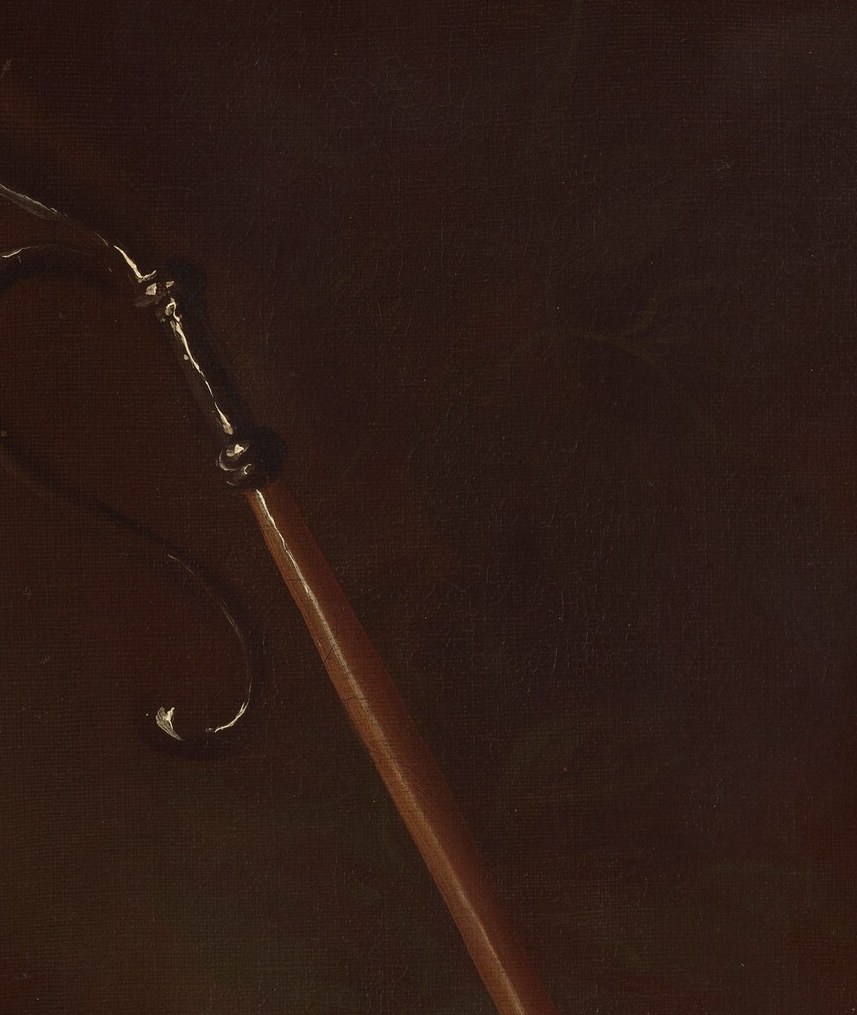
While she wears a beautiful blue and white gown and has flowers in her hair, the most intriguing detail is the long, slender object resting casually against her shoulder. Often mistaken for a cane, it is, in fact, a riding crop or whip, a subtle but powerful symbol of leisure, wealth, and social standing in 18th-century America.
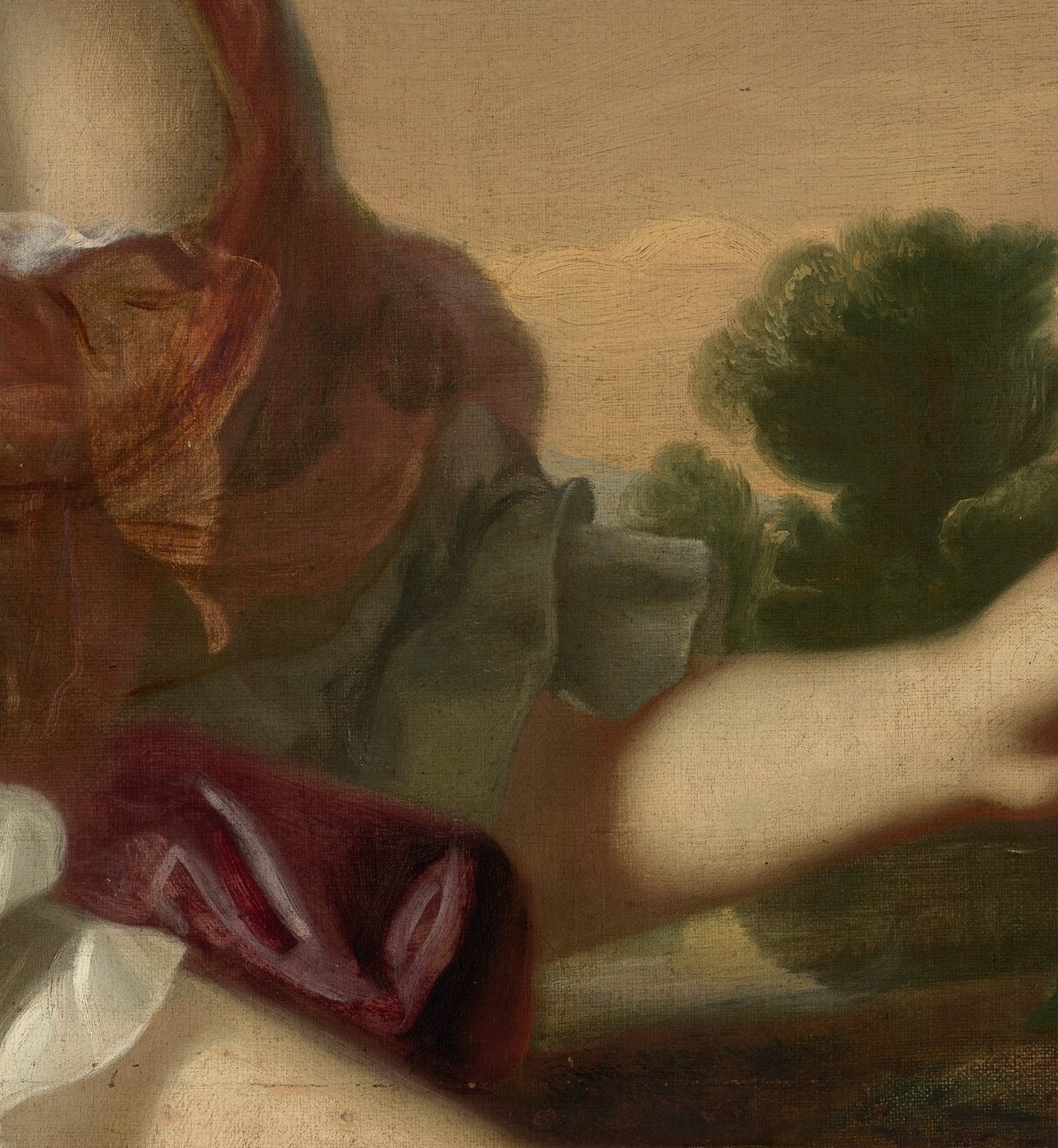
Copley was a master at capturing the aspirations and identities of Boston's colonial elite before the Revolutionary War. His meticulous attention to detail, from the textures of her dress to the atmospheric background, not only rendered a true likeness but also conveyed the sitter's place in society. This work is a superb example of his early mastery.
What other hidden symbols do you think might be present in such portraits?
Details
Transcript
She wears flowers, a fine dress, and holds a delicate ribbon. But look closely, resting on her shoulder. This is a riding crop, not a cane. A symbol of wealth and status in colonial America. The painter, Copley, captured the aspirations of his clients. Elizabeth Gray Otis, a woman of quiet confidence.