Virgin and Child by Adriaen Isenbrandt
Adriaen Isenbrandt's "Virgin and Child," painted around 1530 and held at the Rijksmuseum, is a serene example of devotional art from early 16th-century Bruges. Despite his historical success, Isenbrandt's artistic legacy remains shrouded in mystery, as no specific works are definitively documented as his own.
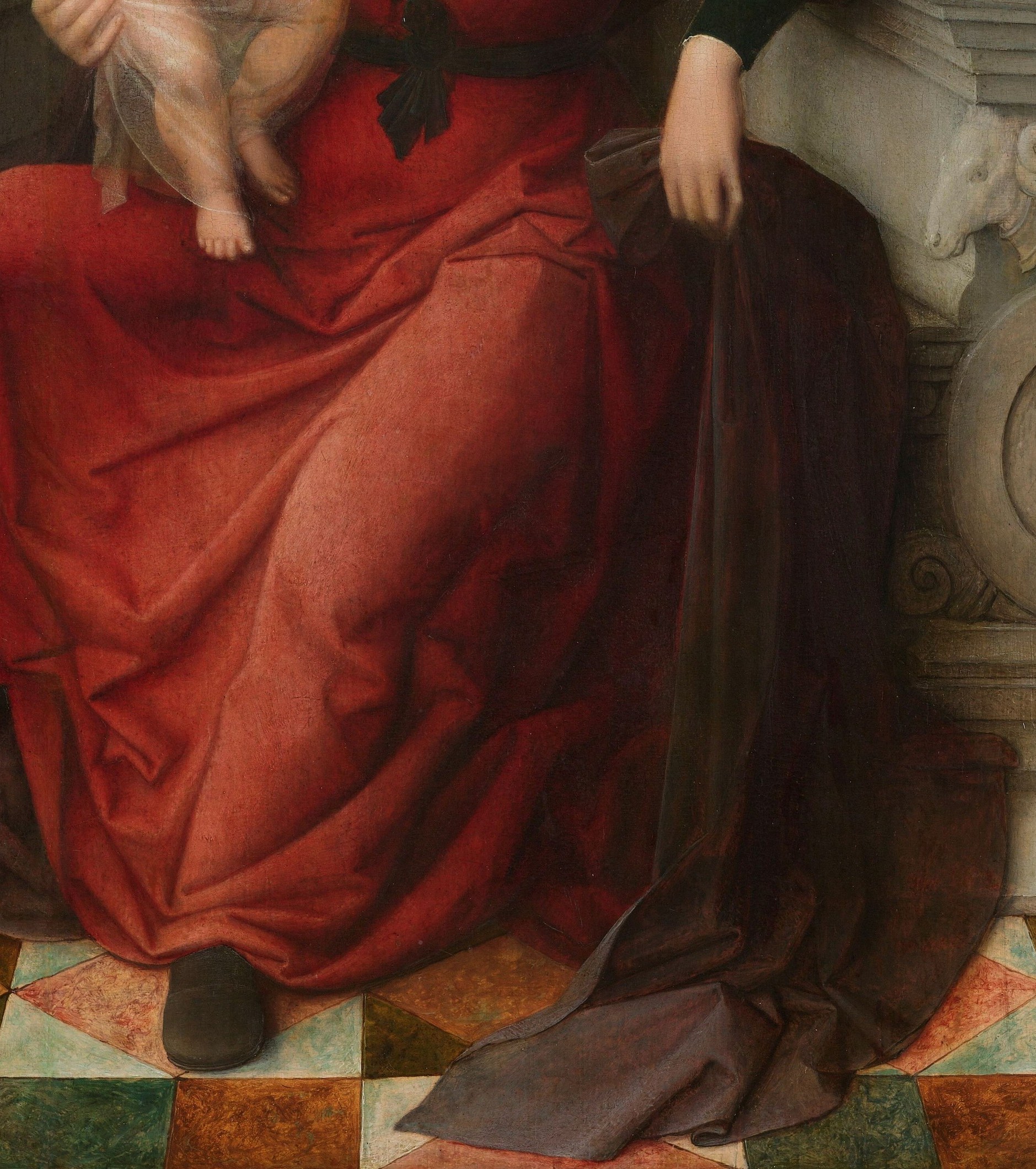
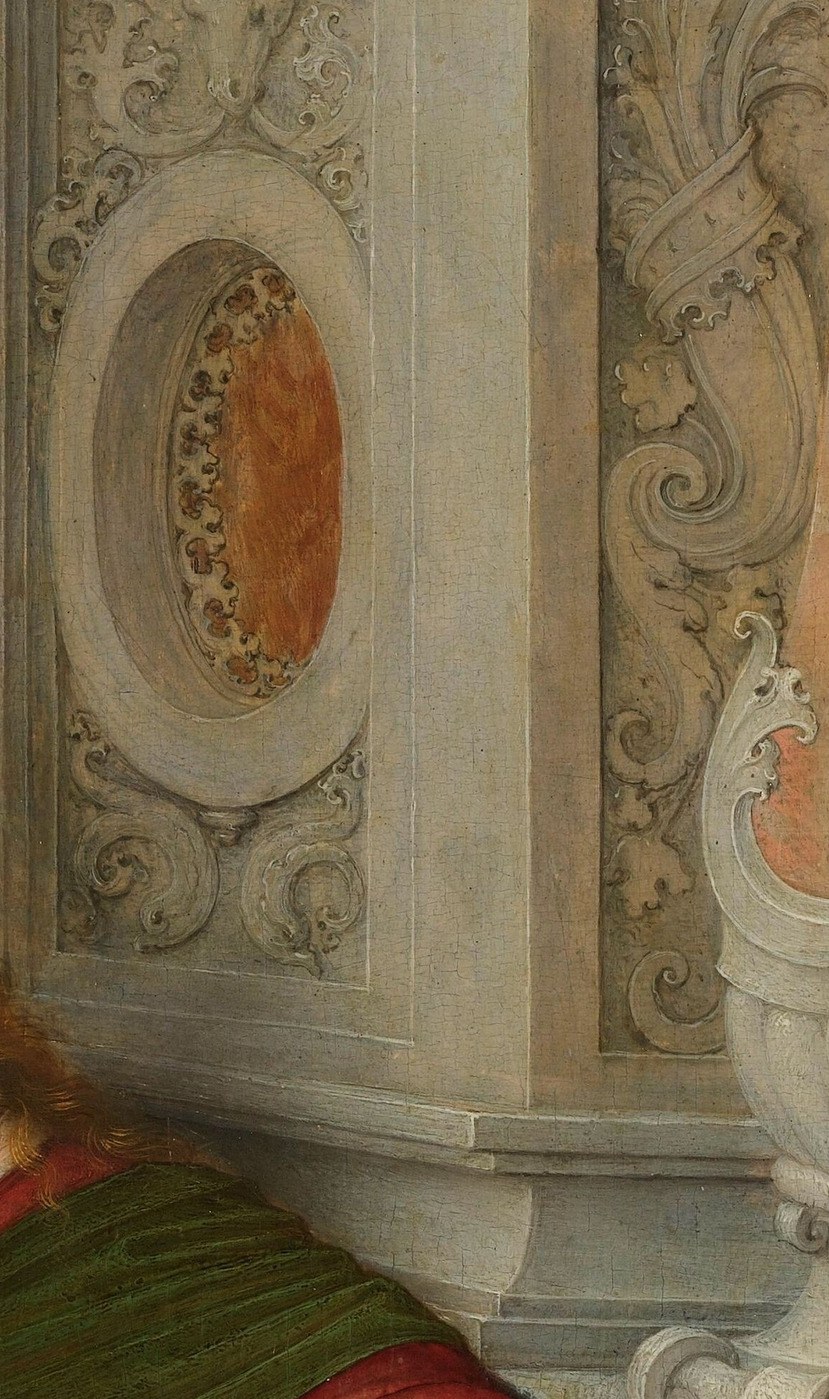
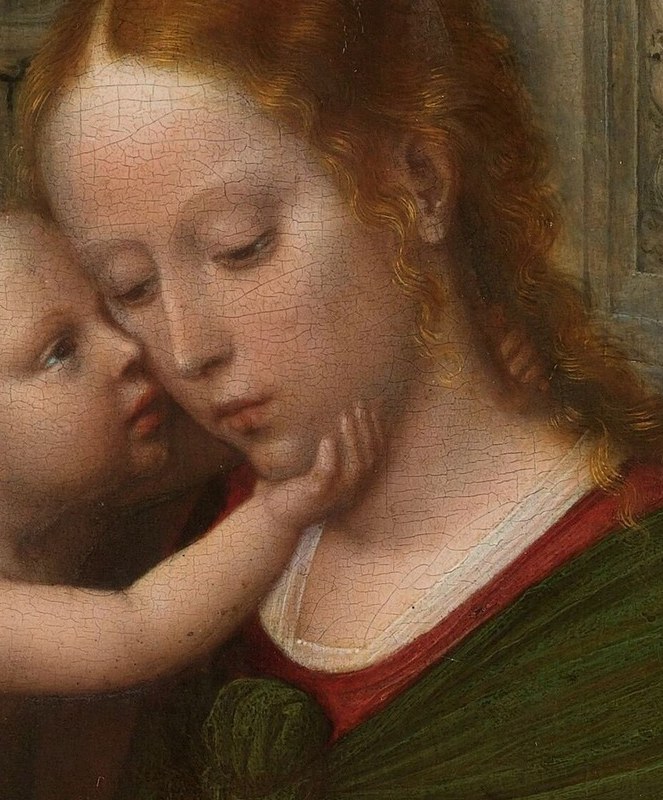
The painting shows Mary tenderly cradling the Christ Child, a common theme intended to inspire personal piety. Isenbrandt's traditional style is evident in the meticulous details, like the ornate background panel and the rich folds of Mary's red robe.
While Isenbrandt was a prominent figure in Bruges, running a large workshop, his reliance on established styles meant he didn't sign works in a way that identified him, making attribution difficult centuries later. Art historians have debated for decades whether any paintings can truly be assigned to him.
This beautiful work is one of a dwindling number of pieces still attributed to the enigmatic Adriaen Isenbrandt. What does it mean for an artist's fame to vanish over time?
Details
Transcript
This painter was successful in Bruges, 500 years ago. He ran a busy workshop, producing many religious works. He worked in a traditional style, with careful details. But no work is clearly documented as his own. Many art historians doubt any works can be reliably attributed to him. This painting is one of fewer and fewer still given to his name.