Epes Sargent by Copley, John Singleton
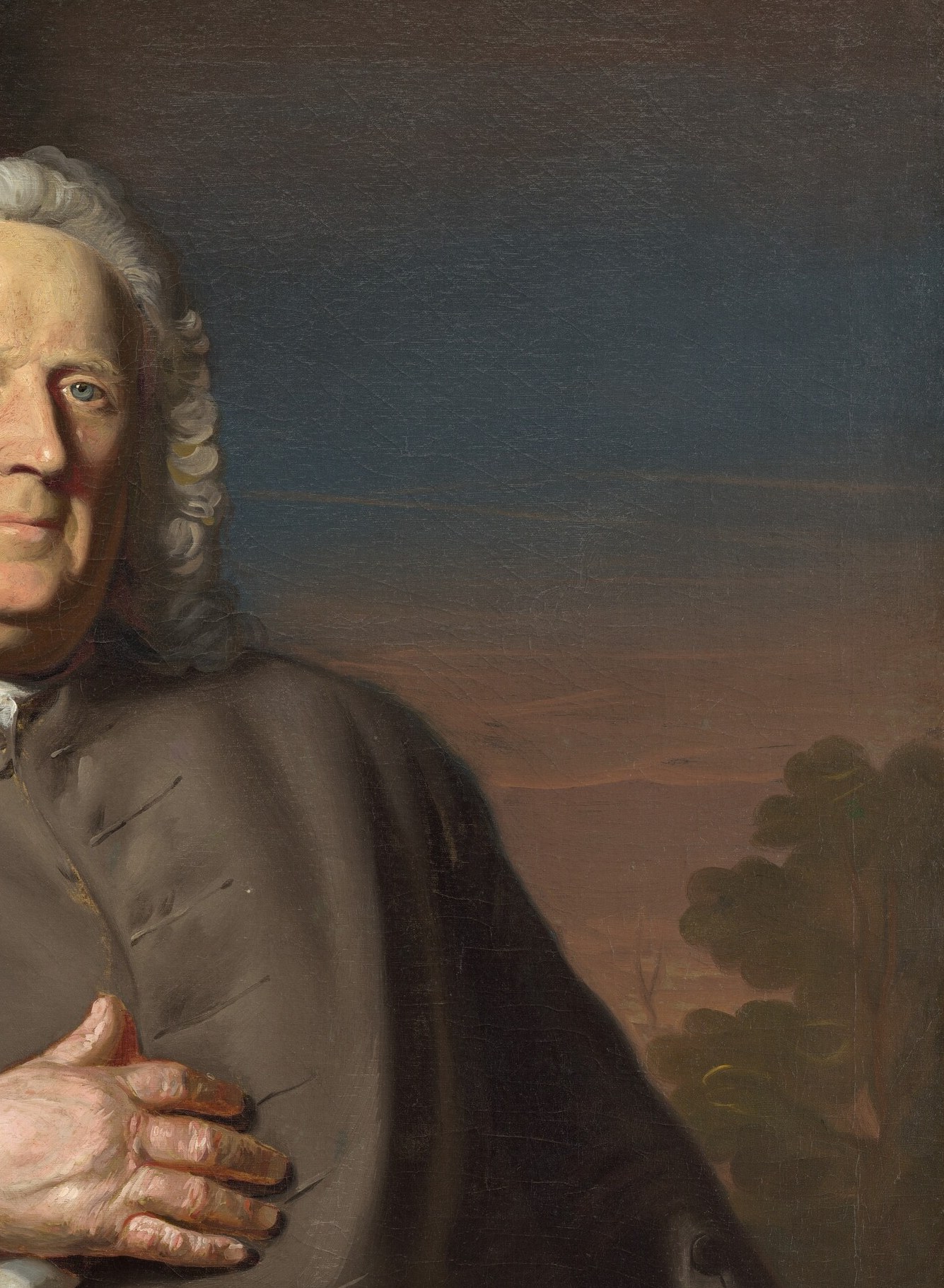
This is John Singleton Copley's portrait of Epes Sargent, painted in Boston around 1760. It hangs today in the National Gallery of Art, and for decades visitors have admired the lace cravat without noticing the tiny ship Copley hid in the warm sky behind his sitter.
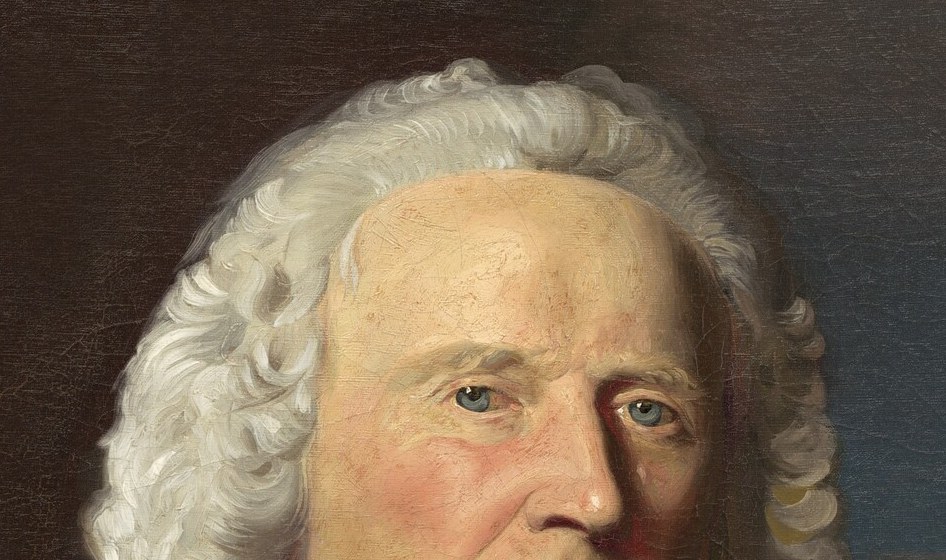
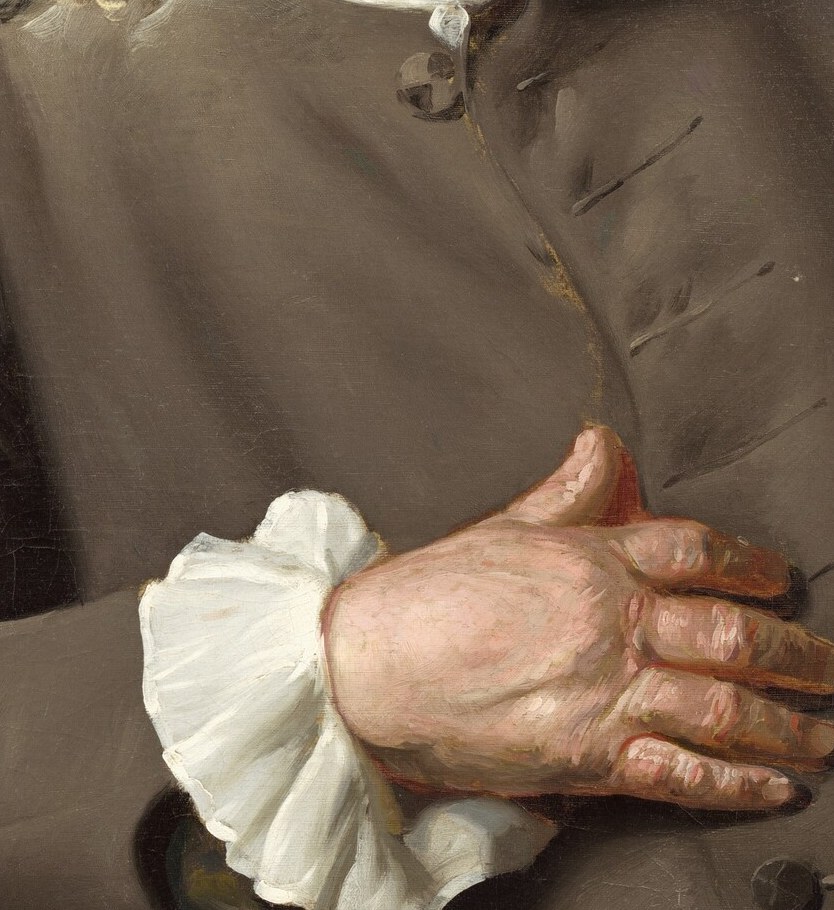
The directness of Sargent's eyes is Copley's signature move. He painted the colonial merchant class not as distant aristocrats but as people who expected to be taken seriously, and he rendered their faces with a psychological clarity that still feels like surveillance across time. The white lace against the dark wool coat is a virtuoso passage of texture, but it also signals wealth through restraint rather than ornament.
Epes Sargent was a prosperous Boston merchant, and the letter in his hand marks him as a man of correspondence and commerce. Copley understood that a portrait of a colonial trader needed to tell a story the sitter's peers would recognize. By placing a faint ship on the horizon, he turned the background from mere atmosphere into an assertion: this man's world stretched far beyond a Boston parlor.
Copley would leave for London in 1774 as revolutionary tensions rose, but this early canvas captures a confident moment when American portraiture learned to speak in its own voice. Next time you see a Copley, check the background.
Details
Transcript
He meets your eye with the calm of a man used to being reckoned with. The lace at his throat is the most photographed inch of this canvas. But the document in his hand isn't the only clue to his business. Look past his shoulder, into the warm opening of the sky. There. A ship on the horizon. Copley painted it faint but deliberate. It makes the portrait a ledger of Atlantic trade.