Still Life, Apples, Grapes by Hays, Barton Stone
Barton Stone Hays's "Still Life, Apples, Grapes" (c. 1870) at the Indianapolis Museum of Art is a masterclass in making everyday objects come alive through paint.
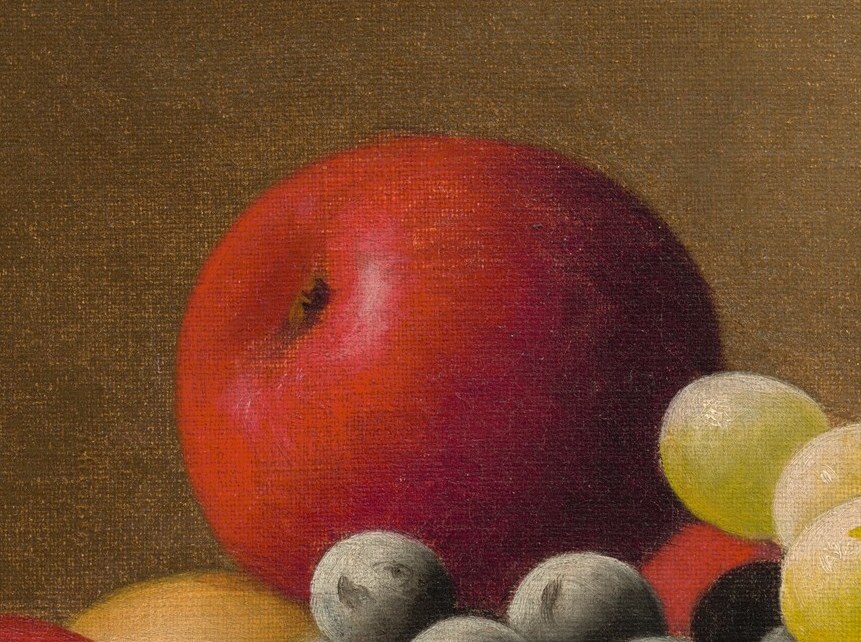
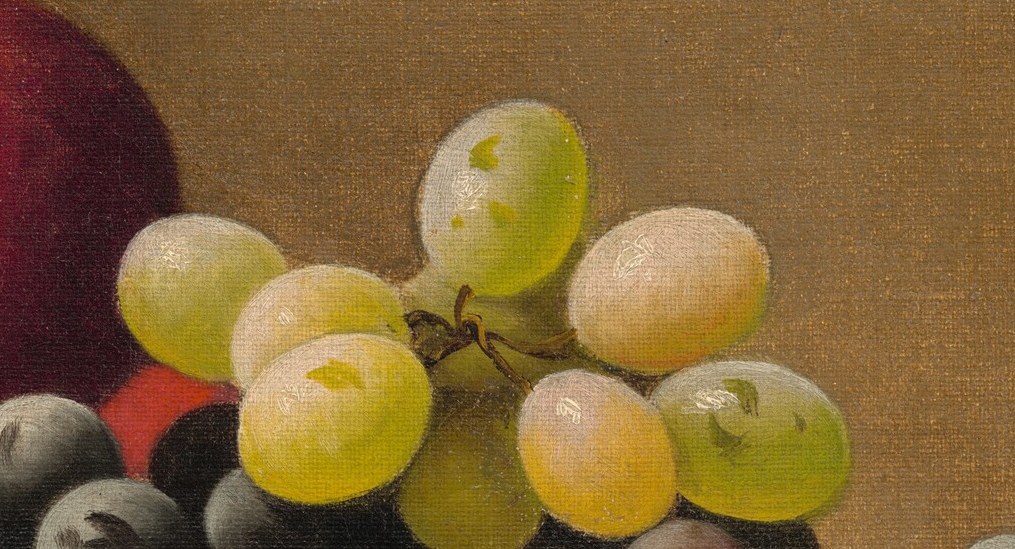
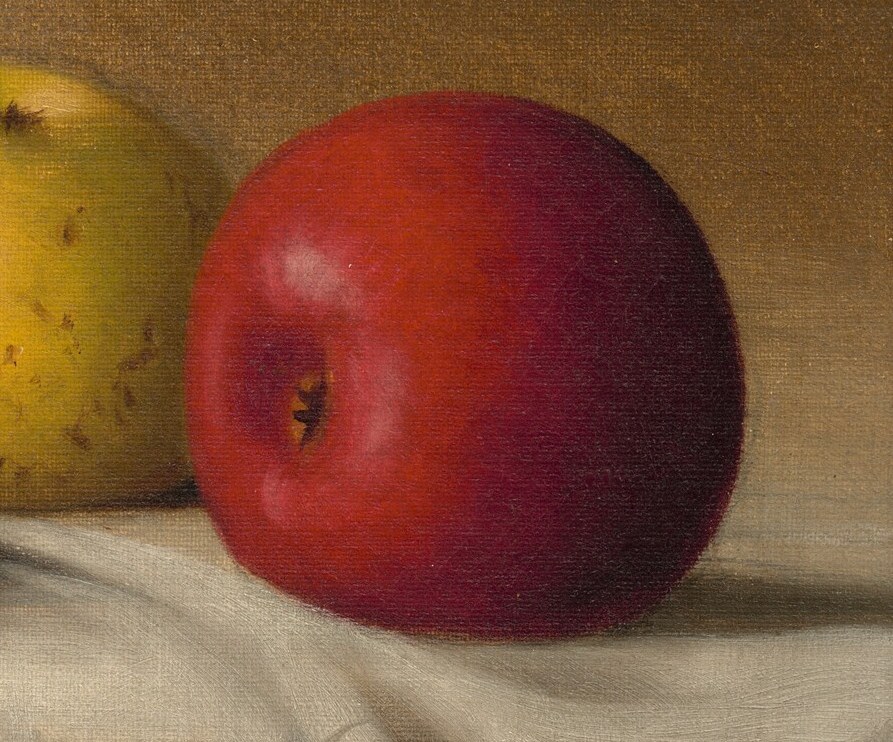
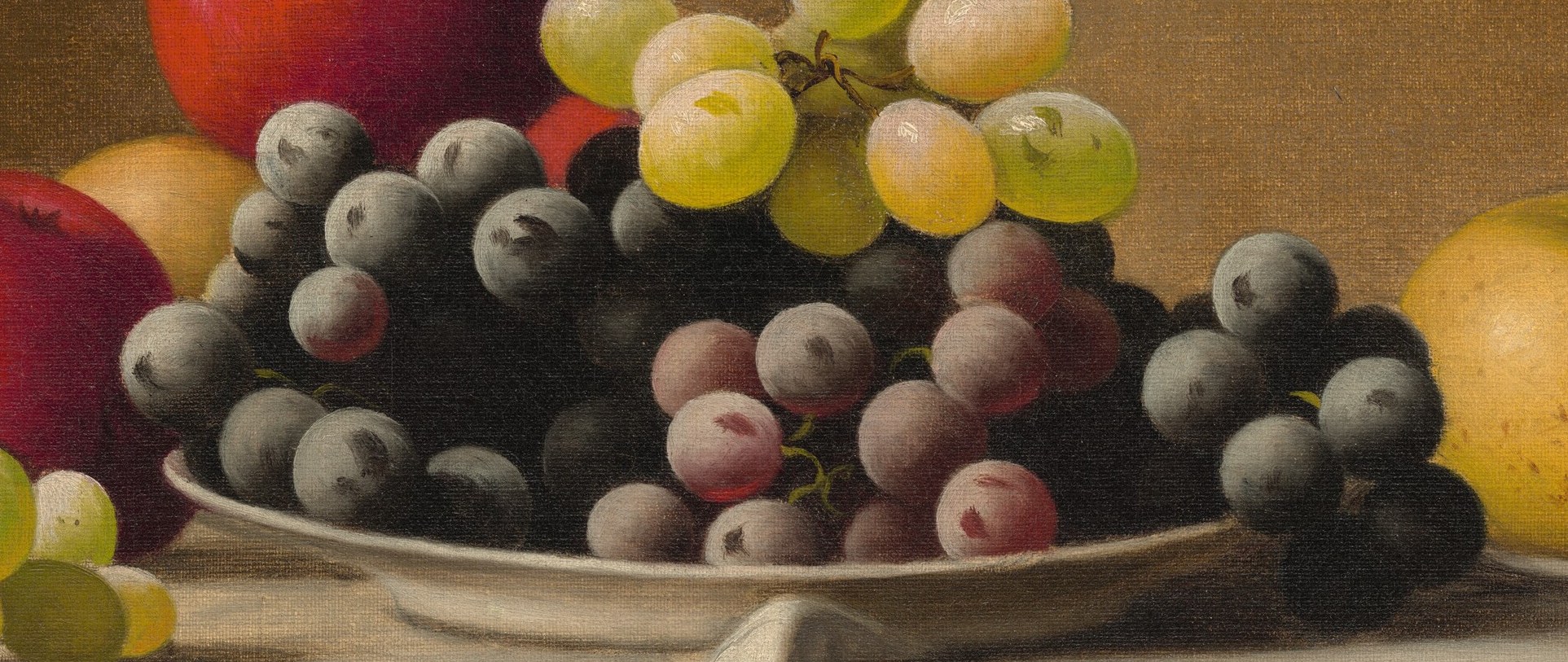
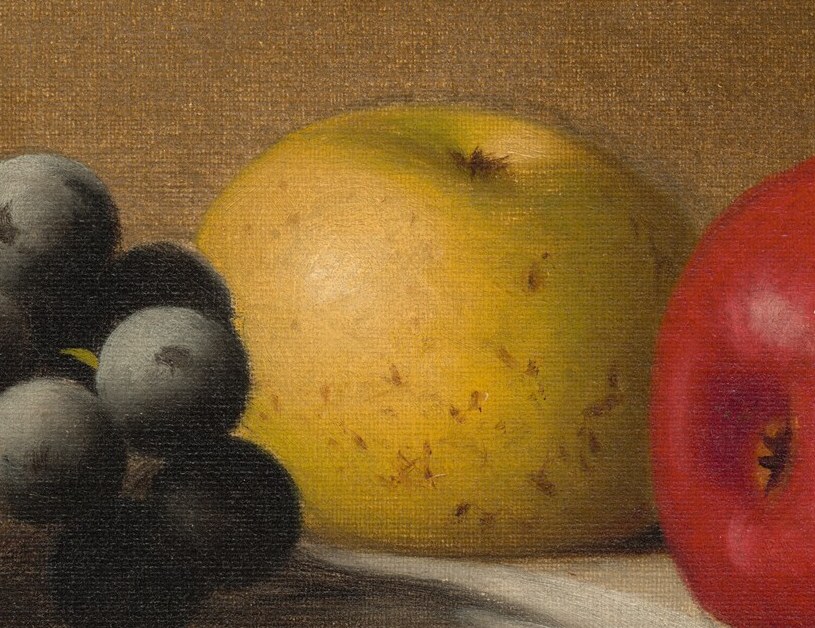
The artist's technique for rendering light and texture is remarkable. Notice how he sculpts the roundness of the apples with subtle color shifts and makes the grapes appear translucent with delicate layers of paint.
Hays focused on evoking domestic tranquility through simple arrangements. This careful modulation of light and shadow creates a tangible sense of volume, giving each fruit a strong presence.
It's a reminder of the beauty found in unpretentious subjects, painted with extraordinary skill. What do you find most striking about his technique?
Details
Transcript
This painter made everyday fruit look incredibly real. See the light reflecting off this bright red apple? He used subtle shifts in color to sculpt its roundness. Look how the light makes these grapes almost glow. Layers of translucent paint mimic their delicate skin. This play of light creates a tangible sense of volume. Every object feels like you could reach out and touch it.