The Death of Caesar by Jean Léon Gérôme
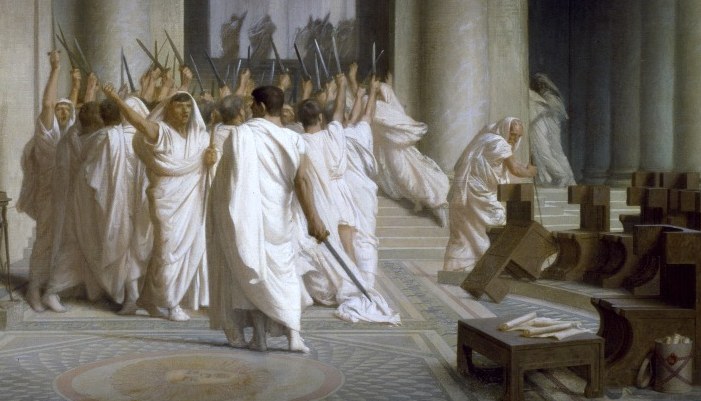
Jean-Léon Gérôme's The Death of Caesar (1867) is not just a historical painting; it was a scandalous sensation. Housed at the Walters Art Museum, its intense realism sparked outrage upon its exhibition.
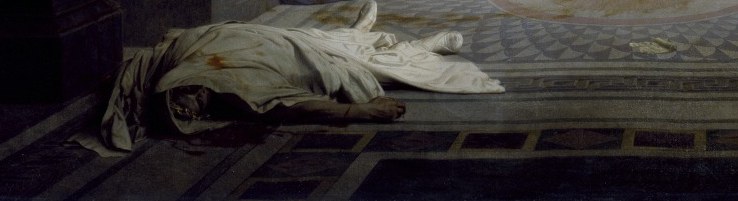
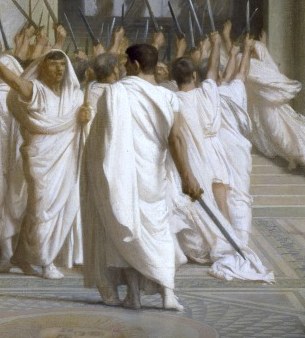
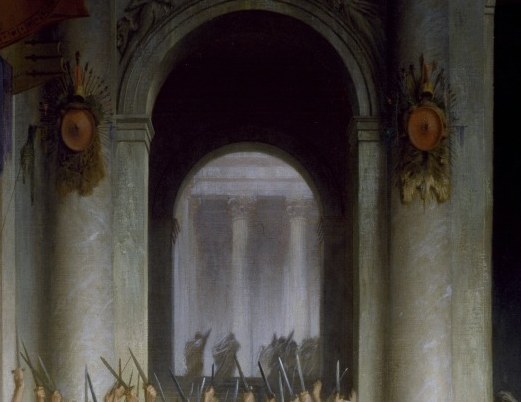
Look at the stark depiction of Caesar's body on the floor, his toga bloody. Notice the conspirators, their swords still raised, turning away from the scene of violence. Gérôme masterfully captures the immediate aftermath, focusing on the chilling reality of the assassination.
The painting's photographic quality and unflinching portrayal of the event were considered too shocking by some critics and the art establishment. It represented a new level of verisimilitude that challenged conventional artistic norms of the time, leading to its rejection from some exhibitions and intense debate.
Did Gérôme intend to shock, or was he simply documenting history with unprecedented accuracy?
Details

Transcript
This wasn't just any painting of Caesar's death. It showed the chilling moment after the murder. The triumphant conspirators turn their backs. Brutus walks away, sword still raised. Critics were outraged by its unflinching realism. Some called it a photographic depiction of horror. Its realism was considered too shocking for the salon.