Françoise-Marie de Bourbon known as Mademoiselle de Blois and Louise-Françoise de Bourbon known as Mademoiselle de Nantes by Philippe Vignon
Philippe Vignon’s 1696 oil portrait, "Françoise-Marie de Bourbon known as Mademoiselle de Blois and Louise-Françoise de Bourbon known as Mademoiselle de Nantes," on display at the Palace of Versailles, is a masterclass in coded communication through art.
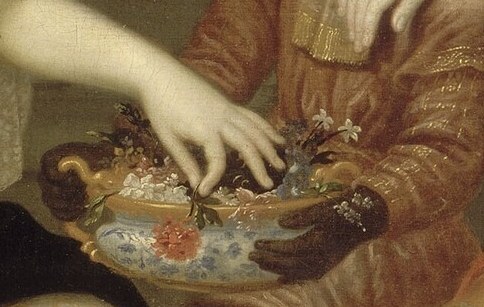
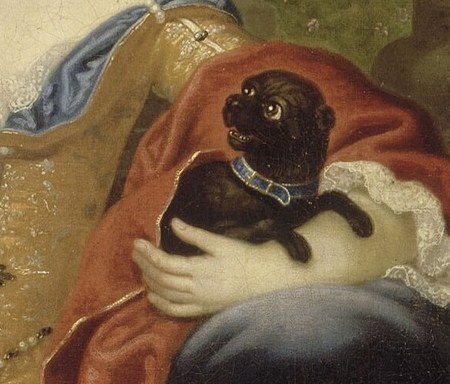
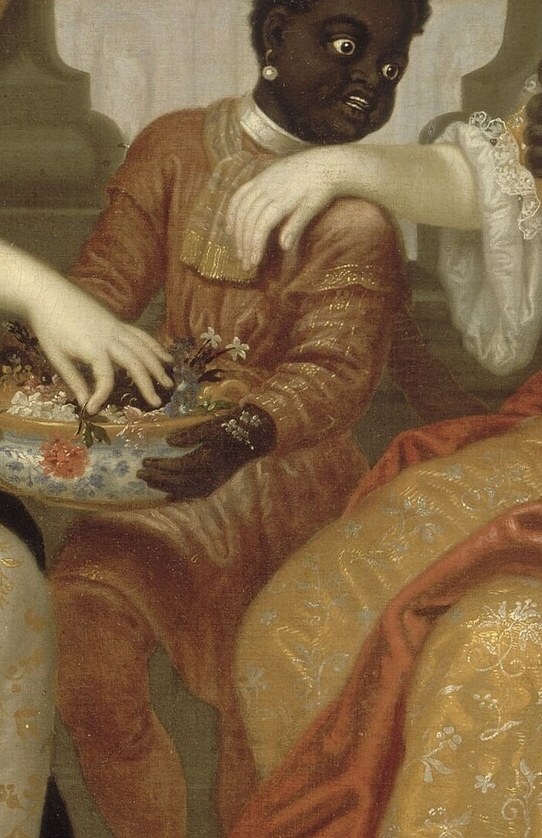
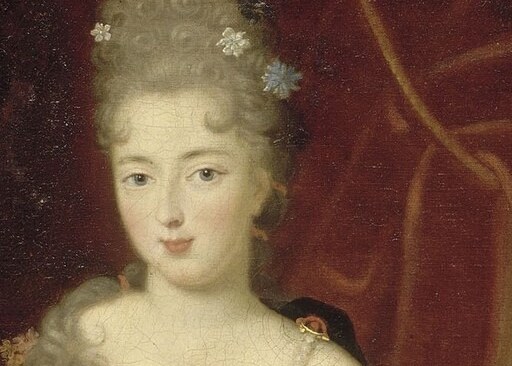
Look closely at the details: the delicate flowers held by one sister, symbolizing youth, beauty, and noble status. The small black dog, clutched by the other, represents fidelity and companionship. The ornate bowl overflowing with fruit speaks to luxury and abundance. Even the richly dressed attendant figure subtly reinforces their aristocratic standing.
Vignon's composition, created in 1696, was likely commissioned for dynastic purposes, celebrating the sisters’ roles within the royal household. It entered the Versailles collection in the 18th century and remains a key example of court portraiture, showcasing lineage, fashion, and personal virtue.
This painting invites us to look beyond mere representation and uncover the deeper layers of meaning woven into its fabric. What other symbols do you notice?
Details
Transcript
This portrait of two sisters is more than just a likeness. She holds flowers, a symbol of youth and beauty. But in 17th-century France, they also indicated status. Her sister holds a small black dog, a sign of fidelity. And this ornate bowl of fruit emphasizes luxury and abundance. The attendant figure also highlights their noble station. Philippe Vignon captured a coded message of aristocratic refinement.