Four Motifs from the Eight Views of Xiao-Xiang by Tani Bunchō (Japanese, 1763–1841)
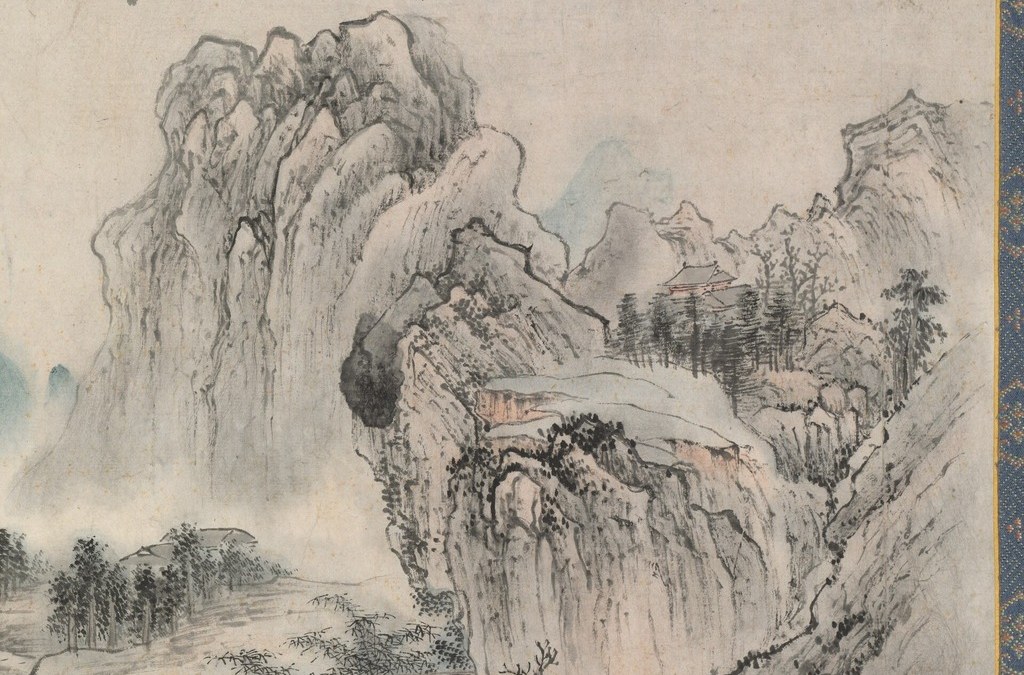
Tani Bunchō's "Four Motifs from the Eight Views of Xiao-Xiang," painted in 1788, is a serene Japanese landscape held at The Cleveland Museum of Art. It's a masterclass in subtlety, inviting viewers to look beyond the grand scale of nature.
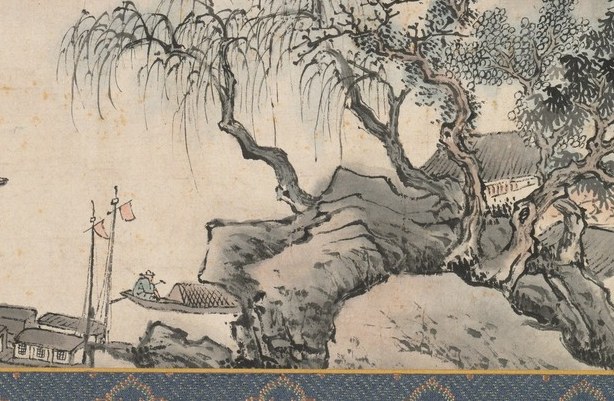
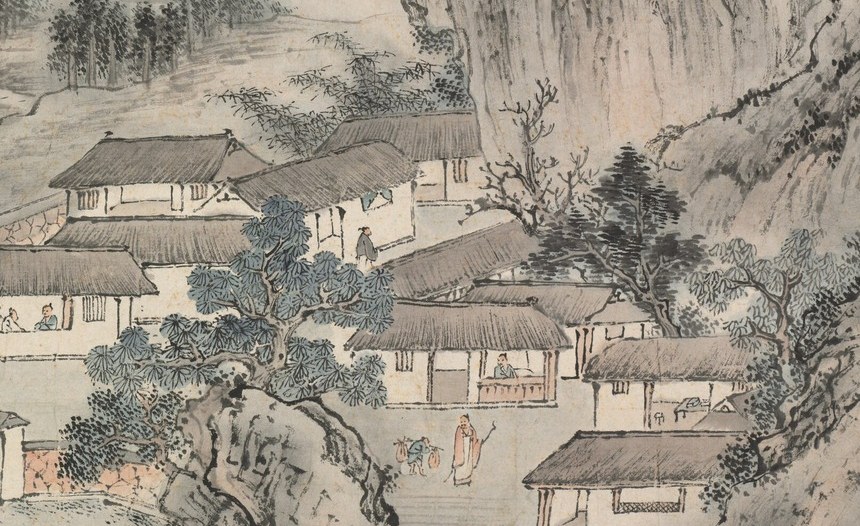
Notice how the artist uses a subdued palette of grays and blues to create a misty, atmospheric scene. Hidden within this vastness are small human touches: tiny figures in a boat, a lone walker on a path, and distant village houses. These details add a quiet narrative without dominating the landscape.
Bunchō (1763-1841) was a highly respected Japanese painter known for integrating various painting styles. His inclusion of calligraphic inscriptions and distinctive red seals are not just signatures, but integral parts of the composition, typical of East Asian painting traditions.
This painting is a reminder that sometimes the most profound stories are told in the smallest, most easily overlooked details. What does this blend of nature and human presence make you feel?
Details
Transcript
This tranquil landscape was painted in Japan, 1788. Its muted colors evoke a sense of mist and calm. Look closely for tiny human details in this vast scene. Two small figures travel by boat on the calm river. Now, find the hidden cultural markers. The artist signed his work with a calligraphic inscription and red seals.