The Dancers by Edgar Degas
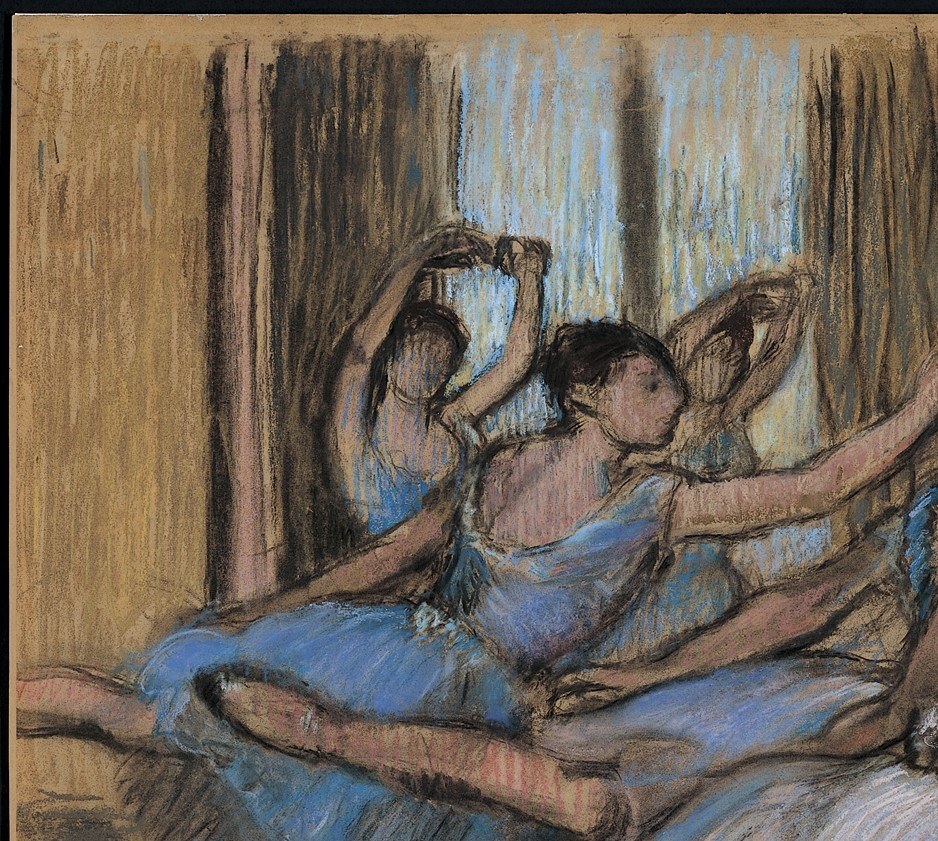
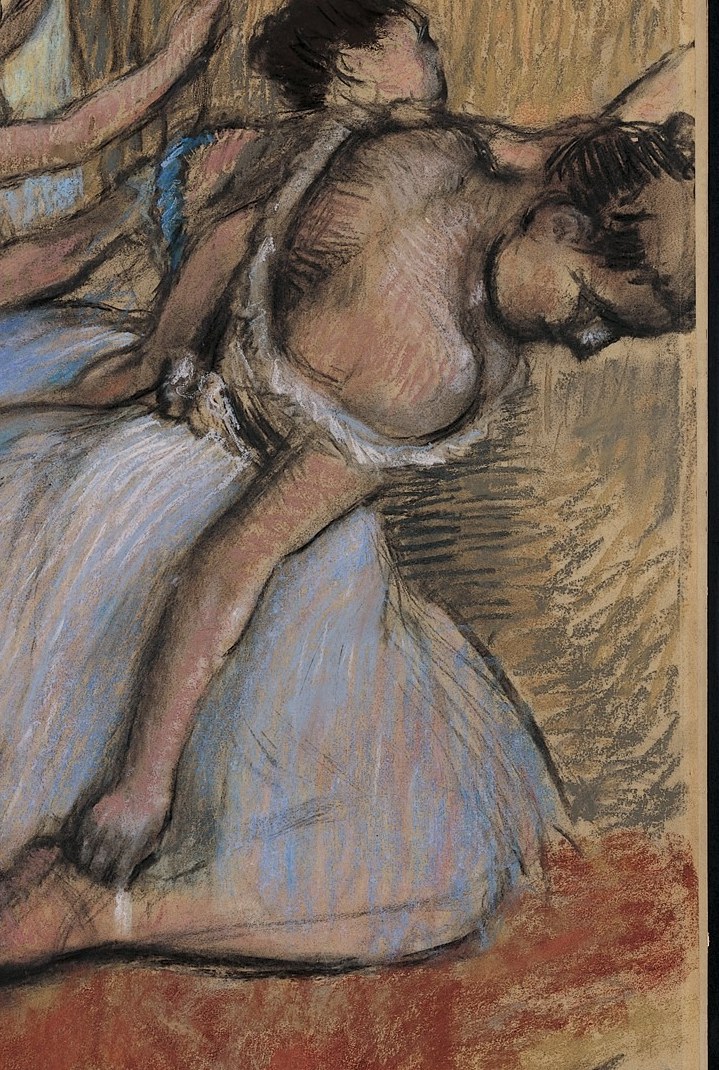
Edgar Degas’s “The Dancers,” created in 1893, offers a rare glimpse into the behind-the-scenes world of ballet, a constant fascination for the artist throughout his career. This painting, now at The Metropolitan Museum of Art, moves beyond the glamorous stage to show the dancers' candid moments of rehearsal and preparation.
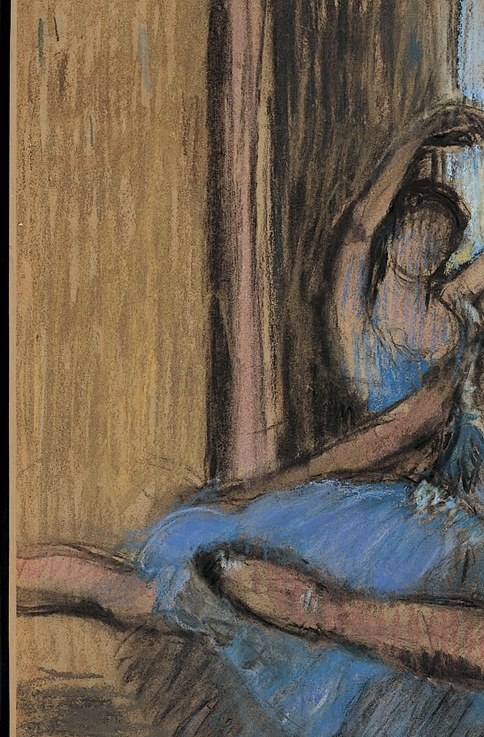
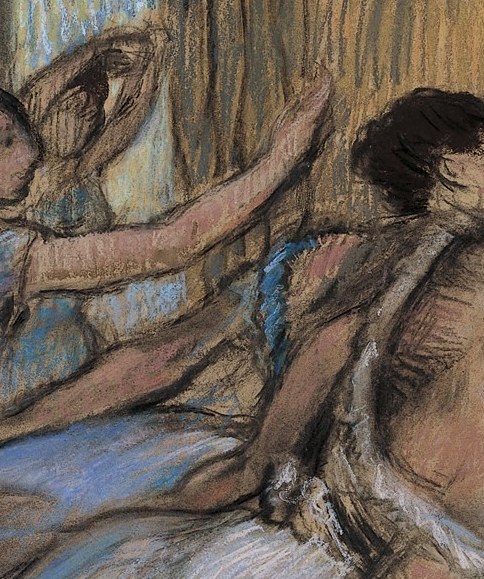
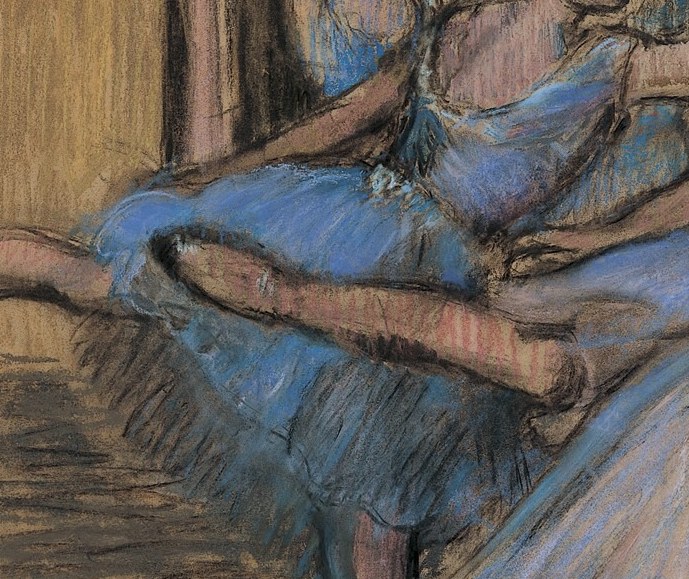
Look closely at the figures, from the dancer adjusting her hair to the one stretching with an outstretched arm. Degas's rapid, gestural lines convey the dynamic energy and fluidity of their movements, making the scene feel immediate and unpolished. The muted tones and indistinct background hint at the working environment of a studio or backstage area.
Degas, born in Paris in 1834, came from an affluent family but abandoned legal studies to pursue art. Influenced by Ingres, he later shifted from history painting to contemporary subjects, bringing classical discipline to scenes of modern Parisian life. He often explored the less idealized, more human aspects of the ballet world.
This work exemplifies his unique approach, capturing the quiet dedication and physical demands of these artists. What do you notice in their expressions or postures?
Details
Transcript
For this painter, ballet was never just grand performance. He showed the hidden moments, the quiet work backstage. Here, a dancer adjusts her hair, caught in thought. Another reaches to stretch, finding her balance. These rapid, gestural lines capture their dynamic energy. She seems to rest, perhaps after a long rehearsal. He depicted the human side of a demanding profession.