The Black Rocks at Trouville by Courbet, Gustave
Gustave Courbet, a leading figure of 19th-century French Realism, famously rejected academic conventions and Romanticism to paint only what he directly observed. *The Black Rocks at Trouville*, created in 1865/1866 and now housed at an undisclosed location, is a prime example of this commitment.
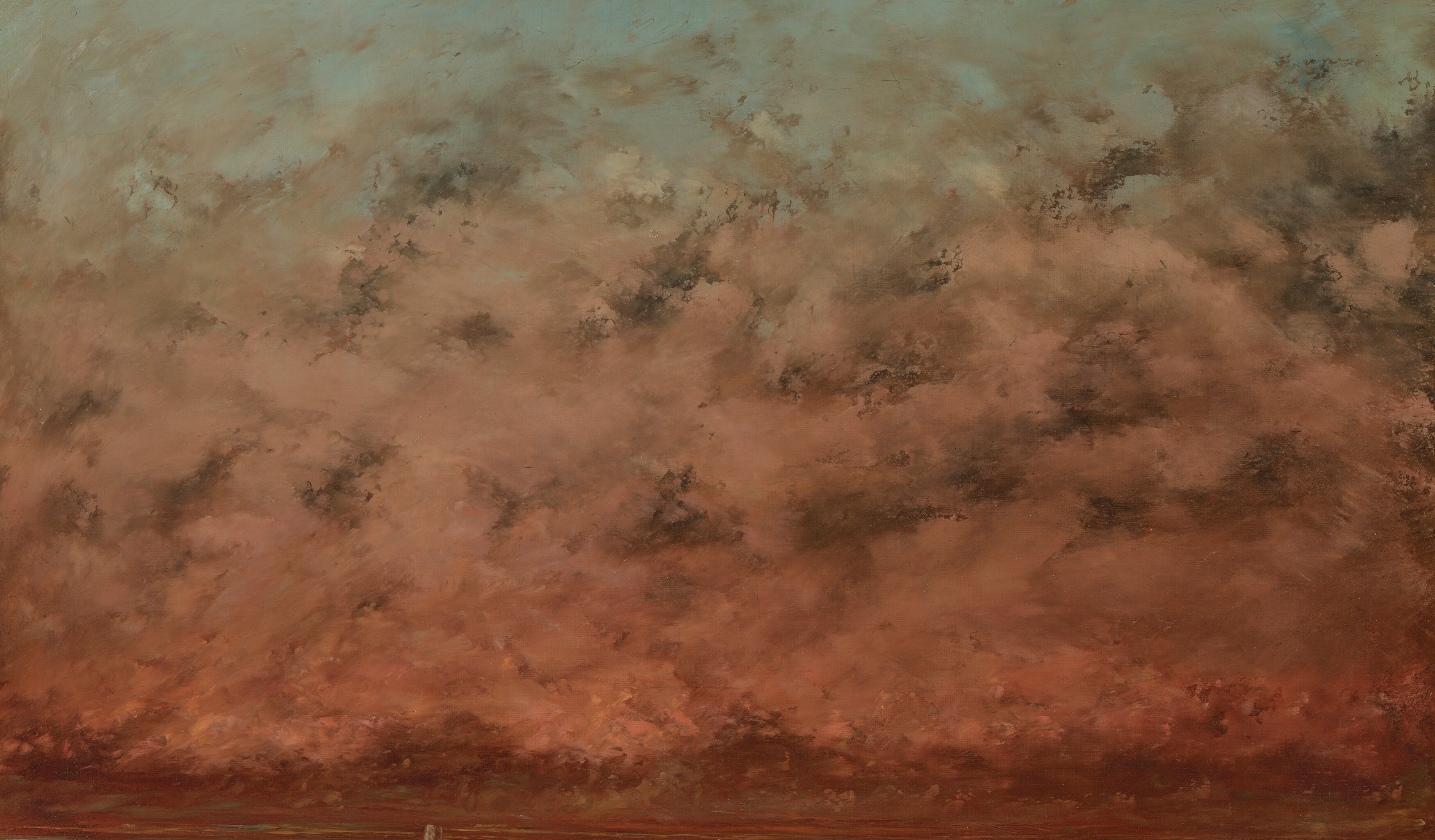
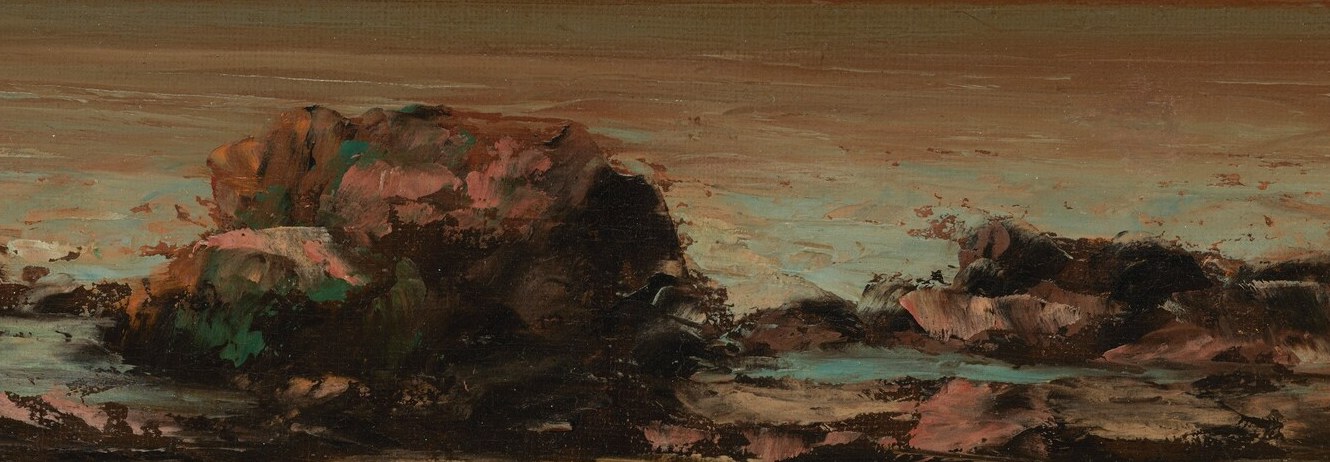
Look closely at the turbulent sky and crashing waves, rendered with visible, vigorous brushstrokes that convey the raw power of the sea. Courbet's focus on unembellished, direct experience influenced generations of artists, including the Impressionists.
This painting reflects Courbet's departure from idealized scenes, contributing to a significant shift in art toward depictions of everyday scenery and natural environments. He believed in presenting the world as it was, without embellishment, making a powerful statement through his art.
How does this unidealized view of nature resonate with you?
Details


Transcript
Gustave Courbet painted only what he saw. No idealized scenes, no dramatic narratives. Just the raw power of nature, here at Trouville. His visible, vigorous brushstrokes capture the churning sea. This rejection of convention influenced the Impressionists. His name, a bold claim, anchors the bottom of his work.