Head of a Donor by Albert van Ouwater
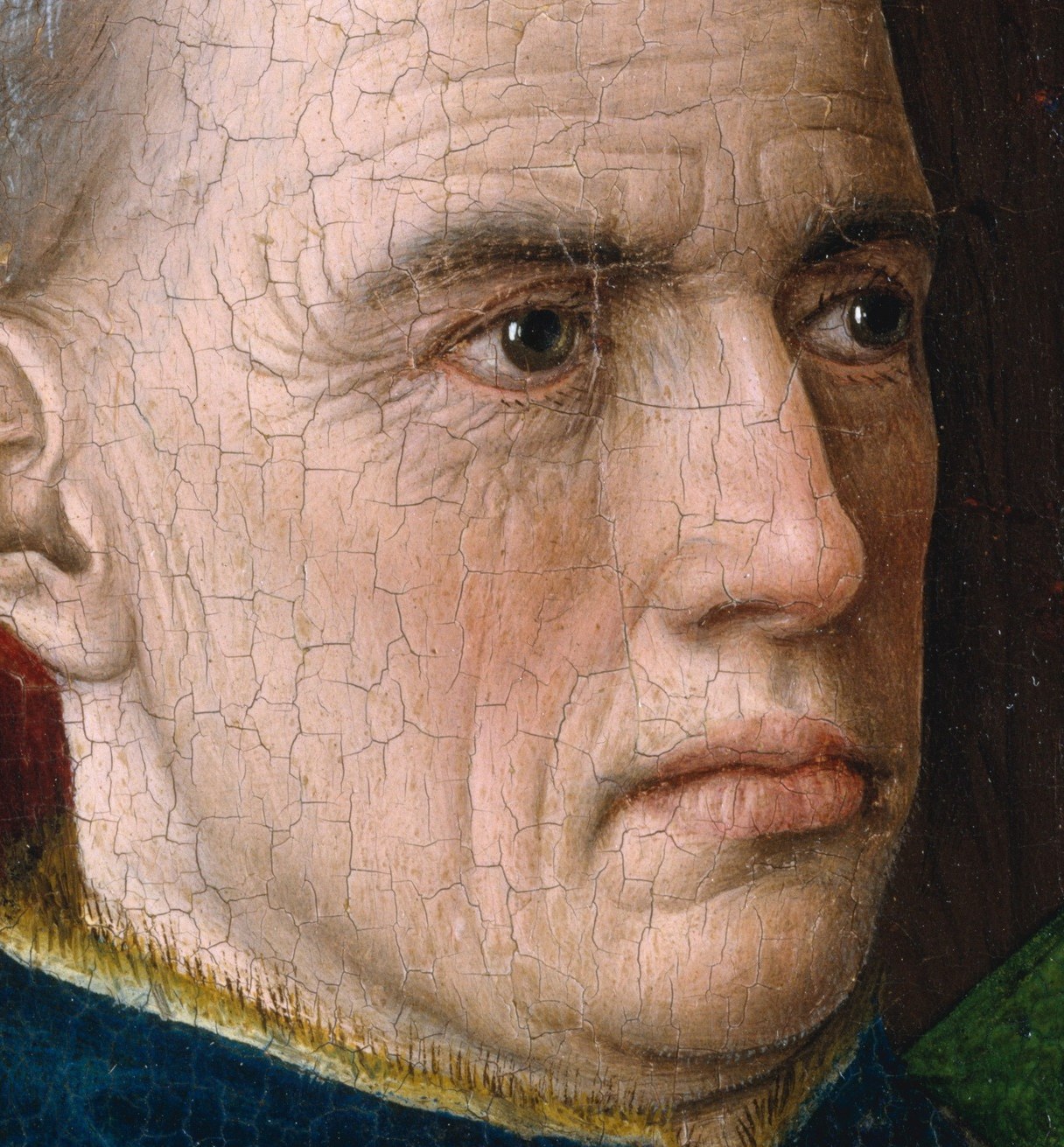
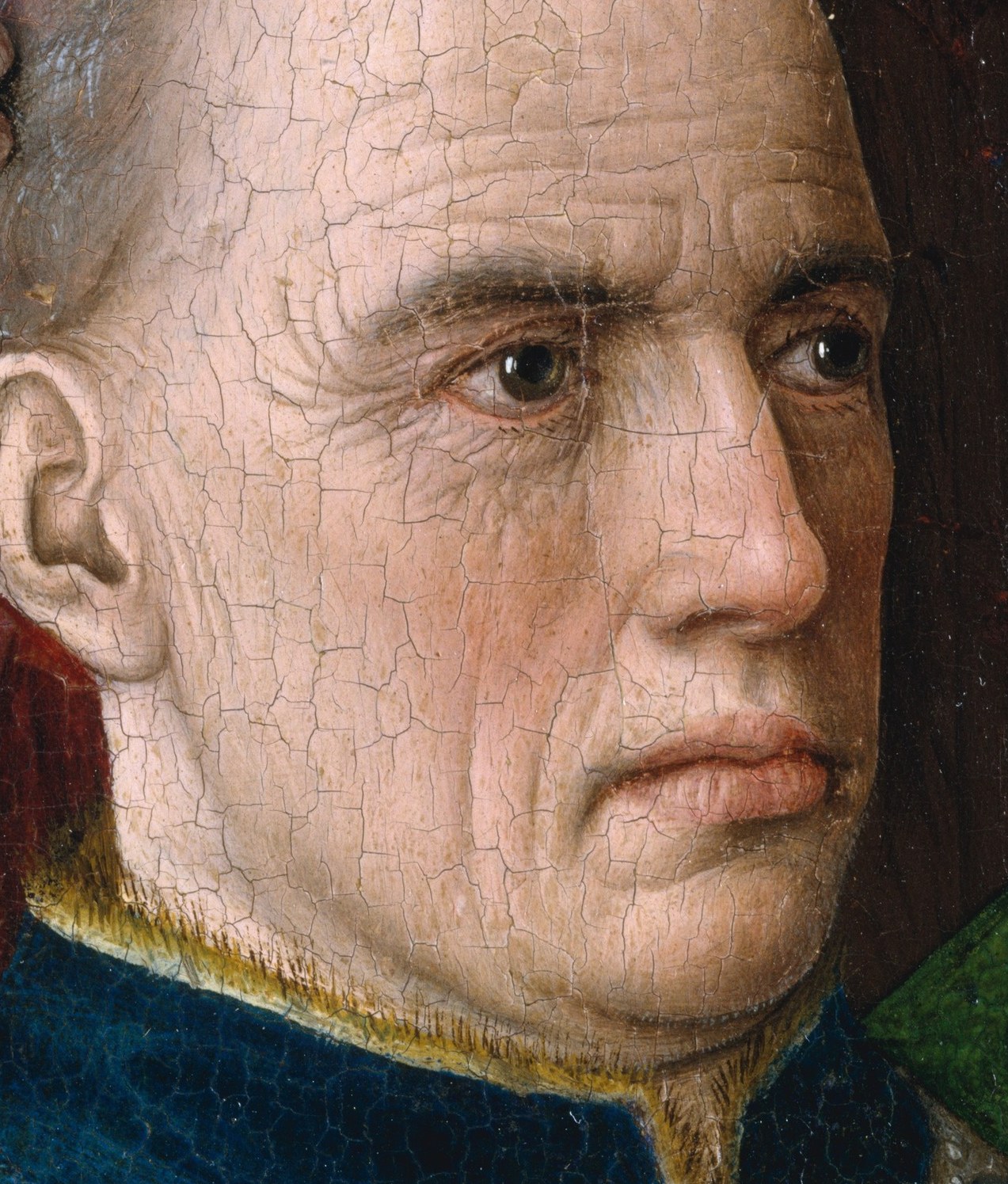
This "Head of a Donor", painted around 1460 by Albert van Ouwater, is a significant early work from the Northern Netherlands, held at The Metropolitan Museum of Art. It showcases the emerging realism of the Northern Renaissance, made possible by the then-new medium of oil paint.
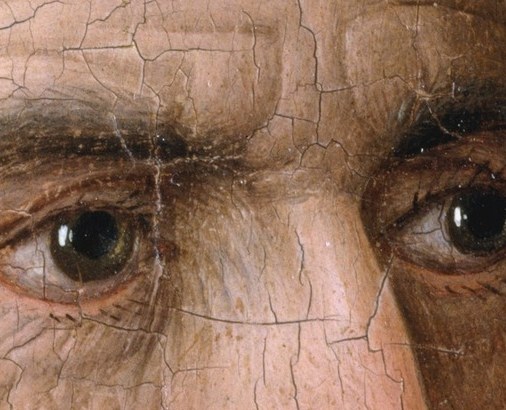
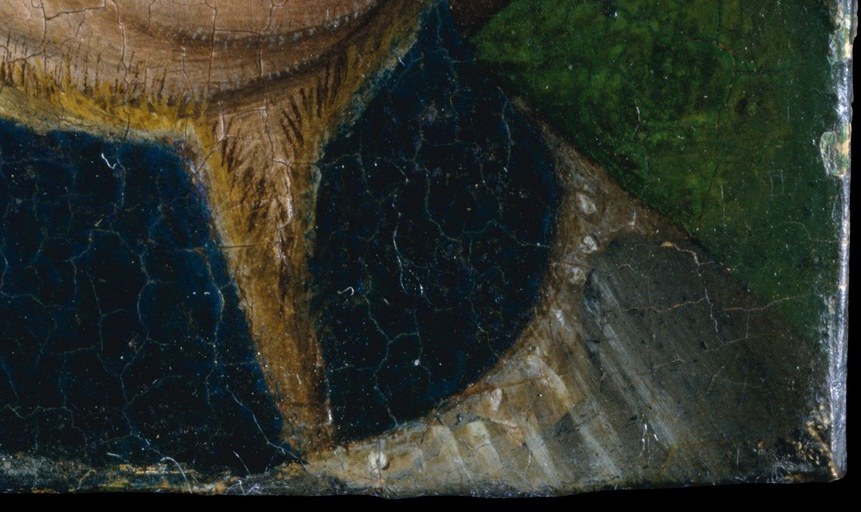
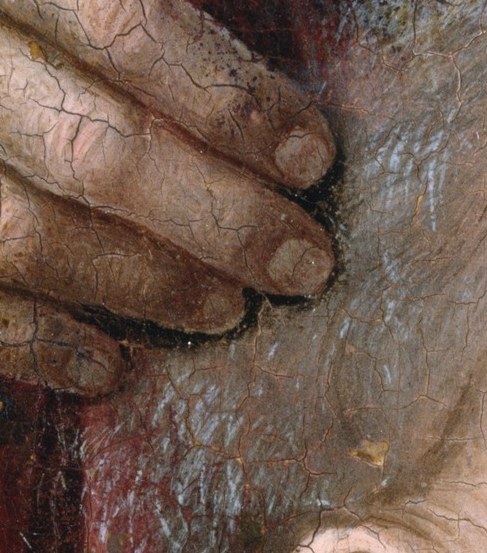
Observe the donor's watchful eyes and the finely rendered details of his face and beard. His dark blue garment and crisp white collar indicate his wealth and status, while the plain background focuses all attention on his piety. The intriguing hand resting on his head adds a layer of spiritual narrative.
Van Ouwater was one of the earliest known painters from the Northern Netherlands. This painting reflects a period when oil portraiture was gaining prominence, allowing for unprecedented detail and lifelike quality. The work's journey from private collections to its current home at The Met highlights its historical importance.
What do you think is the meaning of the hand on the donor's head?
Details
Transcript
This is one of the earliest paintings from the Northern Netherlands. It was painted around 1460 by Albert van Ouwater. The donor’s direct gaze creates an immediate connection with the viewer. His short beard and dark garment suggest a man of standing. A mysterious hand rests on his head, possibly a blessing. Oil paint allowed for such detailed realism in portraiture.