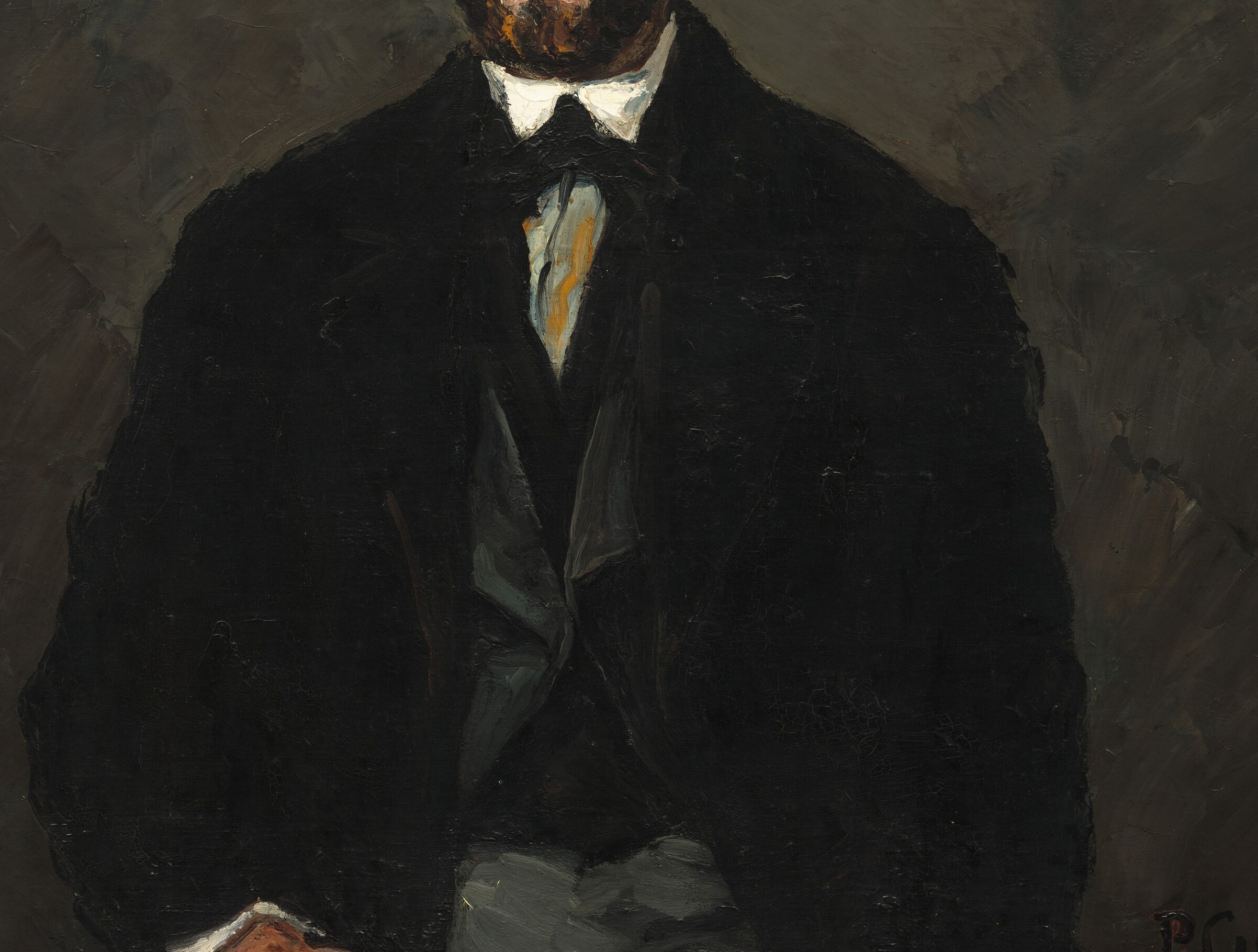
Antony Valabrègue by Cezanne, Paul
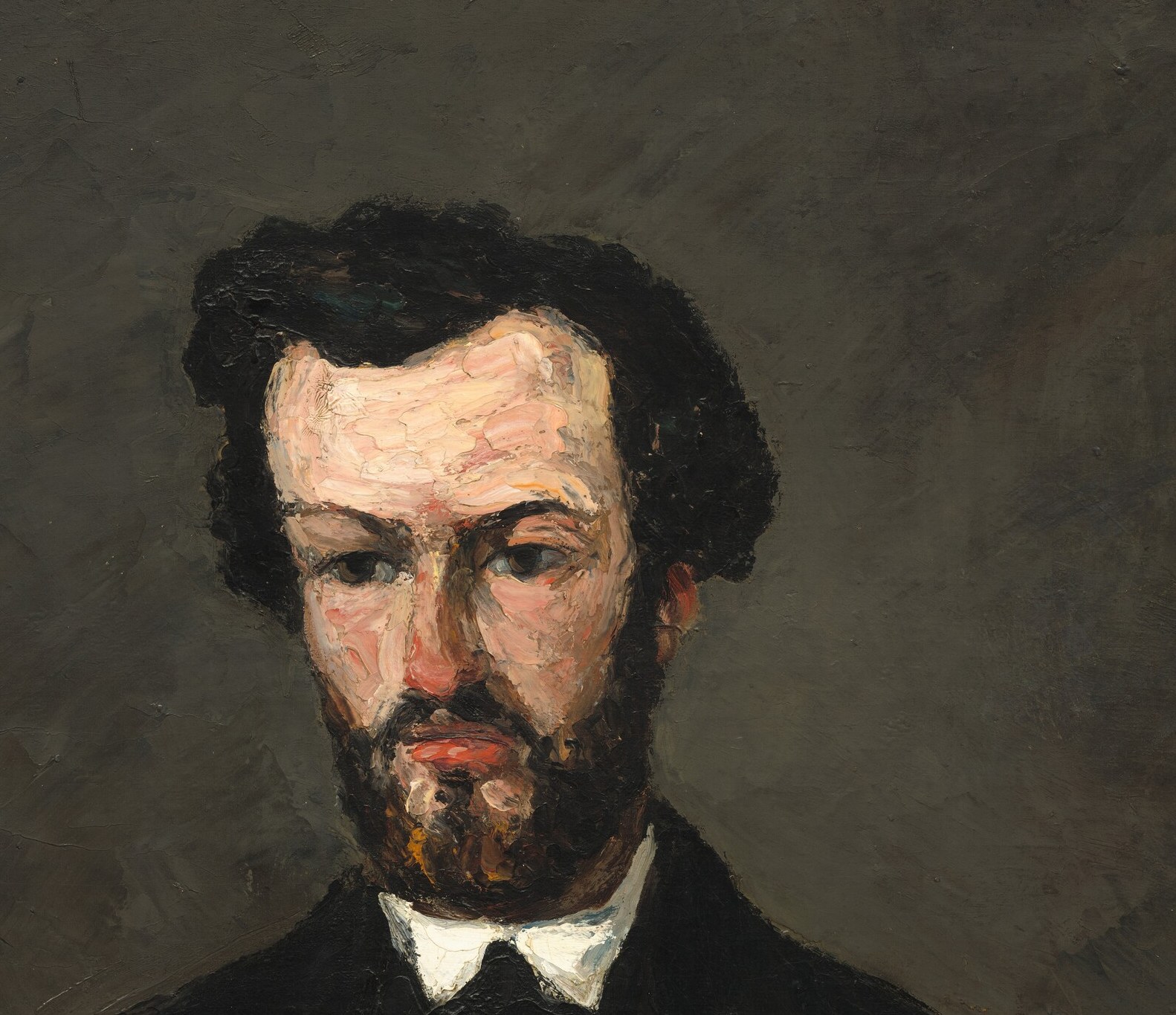
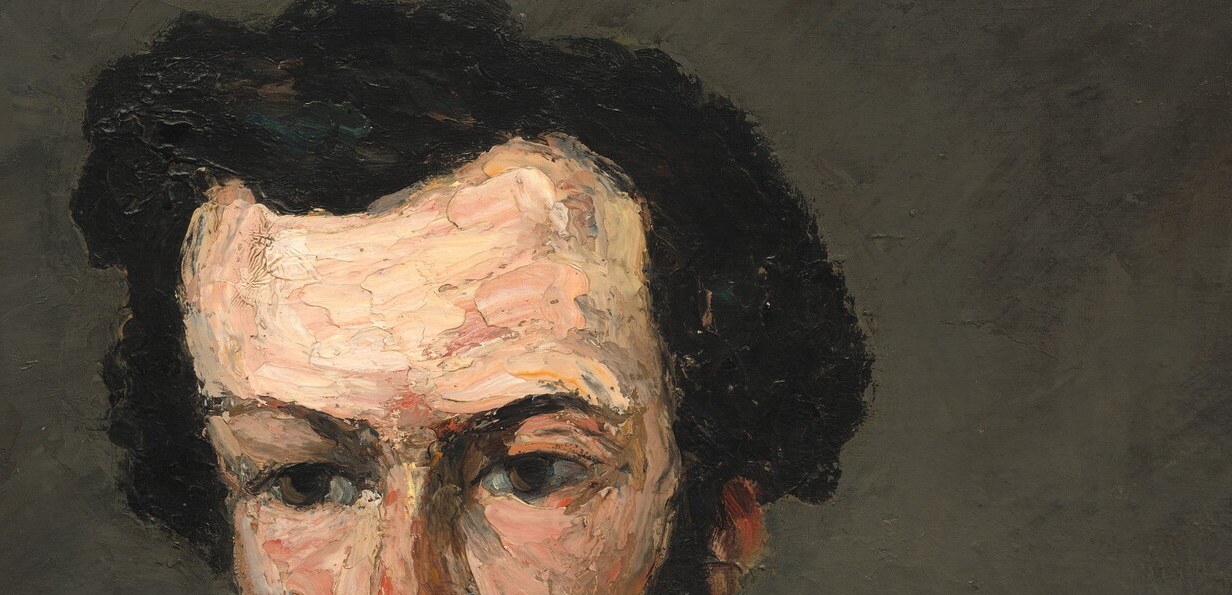
Paul Cézanne painted this portrait of his old school friend Antony Valabrègue in 1866, when the artist was in his late twenties and still developing the thick, dark style he'd later leave behind. For a century it hung quietly in the Ashmolean Museum in Oxford, just another early Cézanne.
Then, on New Year's Day 1979, someone cut it out of its frame.
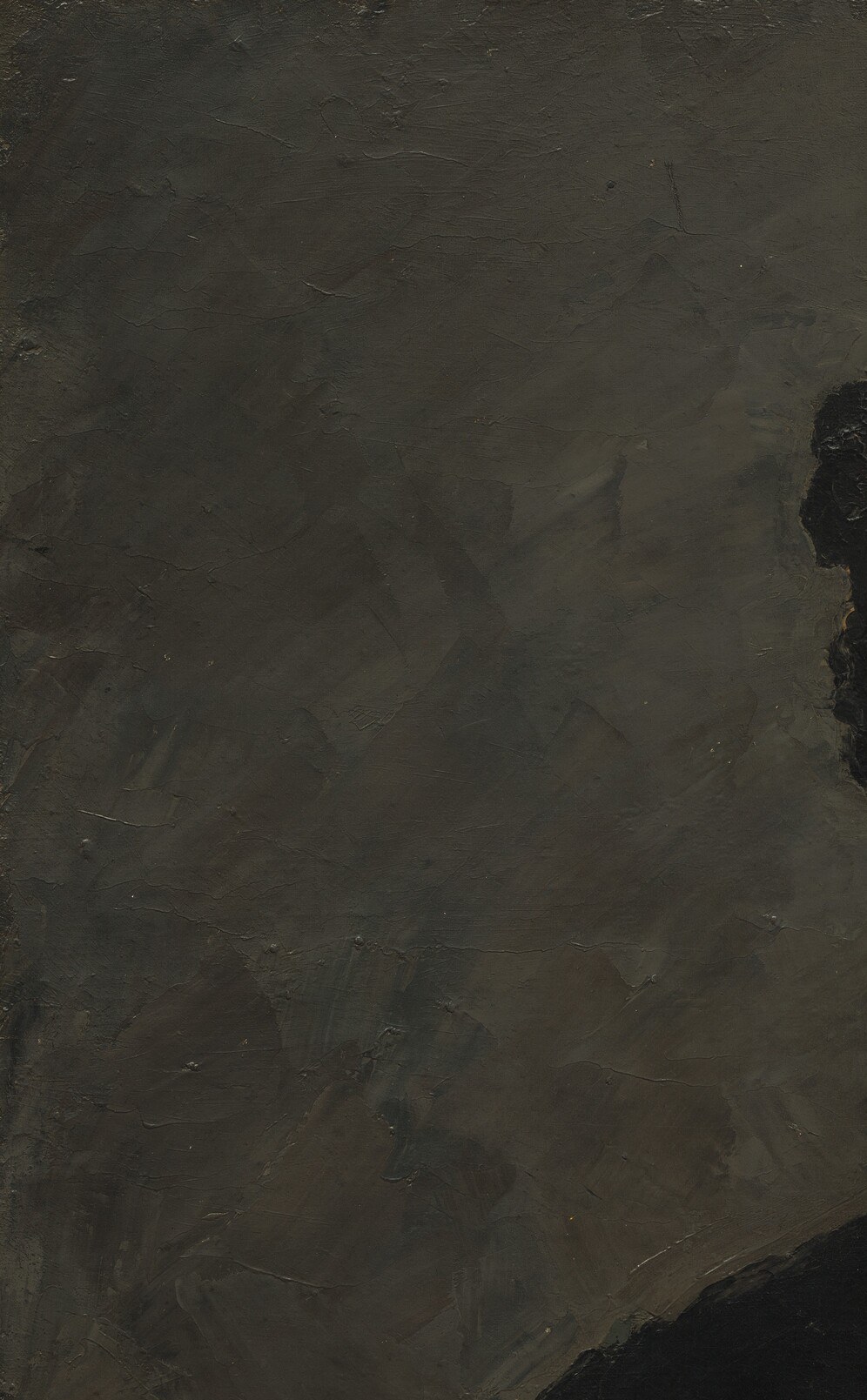
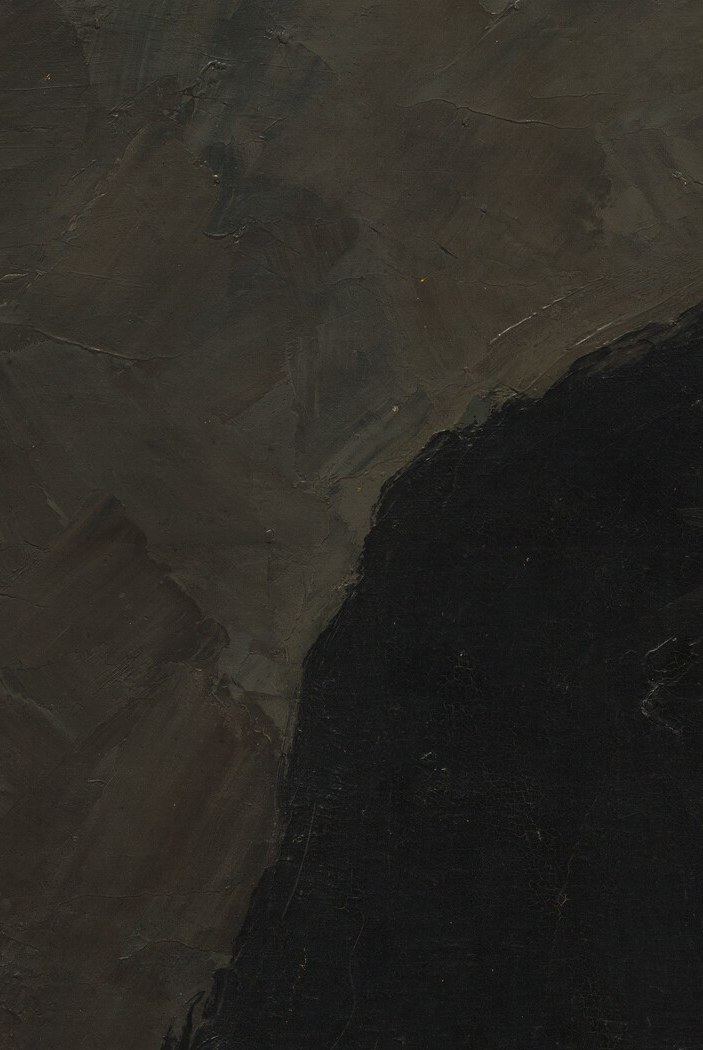
The thief entered through a skylight while the museum was closed for the holiday. The theft was targeted: only this single painting was taken, sliced from its stretcher and rolled up. No alarms sounded, and no one was ever charged. The portrait disappeared into the private art underworld for two decades.
In 1999, an informant's tip allowed Scotland Yard's Art and Antiques Squad to recover the painting. It was returned to the Ashmolean, the canvas edges bearing the physical memory of that wire-cut moment. The man in the painting, Valabrègue, a poet and art critic who was Cézanne's confidant, had stared out from an unknown wall for twenty years before returning to public view.
Look at his direct, unwavering gaze. It held through the dark.
Details
Transcript
January 1, 1979. Oxford, England. New Year's Day. The Ashmolean Museum was closed. A thief pried open a skylight and lowered himself in. Look at the edges. He cut this canvas out of its frame and rolled it up. No trace. He was never caught, and the painting simply vanished. For twenty years, this face sat in a dark, unknown room. Until 1999, when a tip led Scotland Yard to it at last.