Farm Building in Gelderland by Wouter Johannes van Troostwijk
Wouter Johannes van Troostwijk's Farm Building in Gelderland (1807) is more than a pretty landscape. Dutch painters of the early 1800s were reviving rural scenes to celebrate national identity. Every element in this Rijksmuseum painting was chosen to say something.
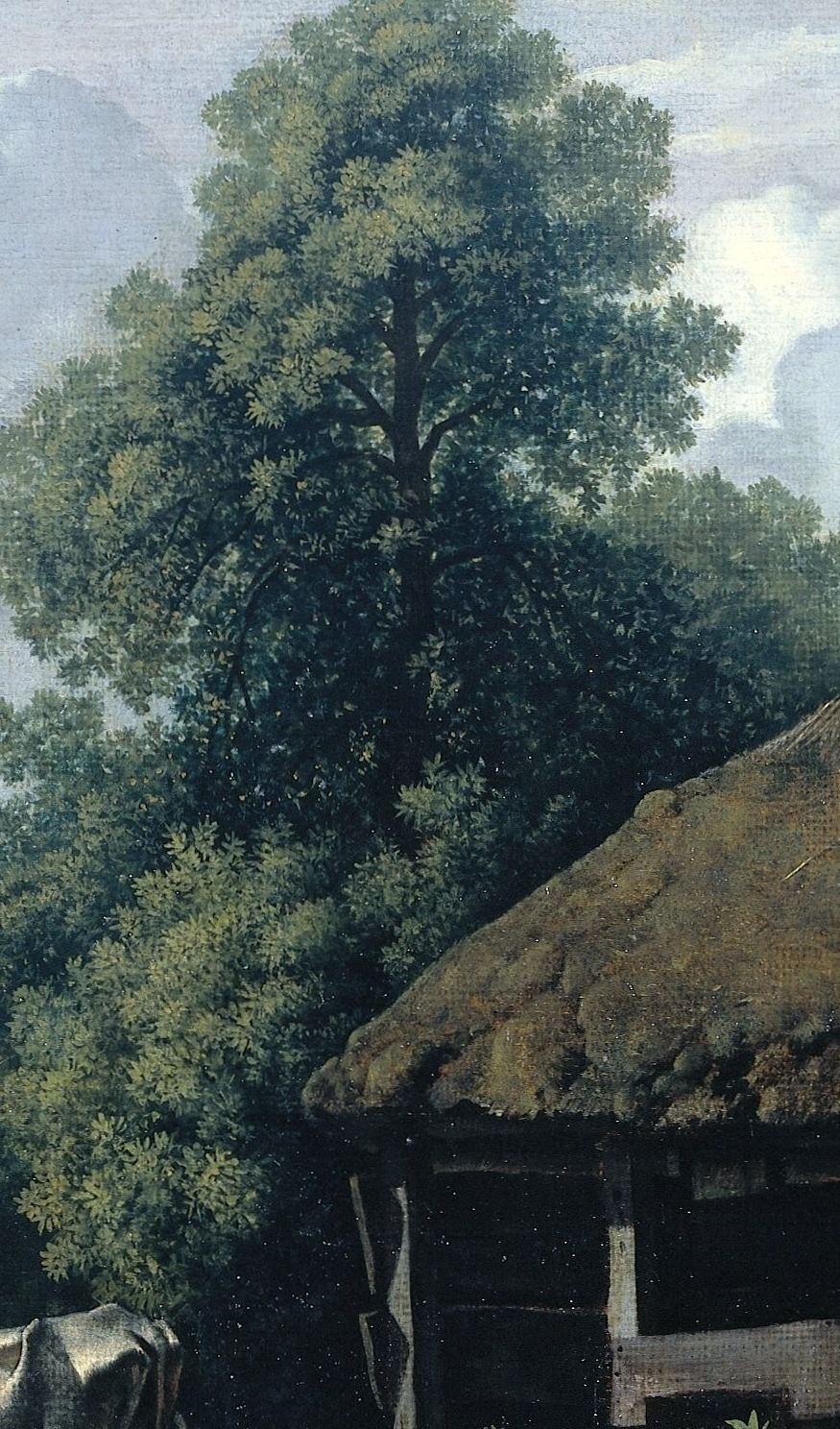
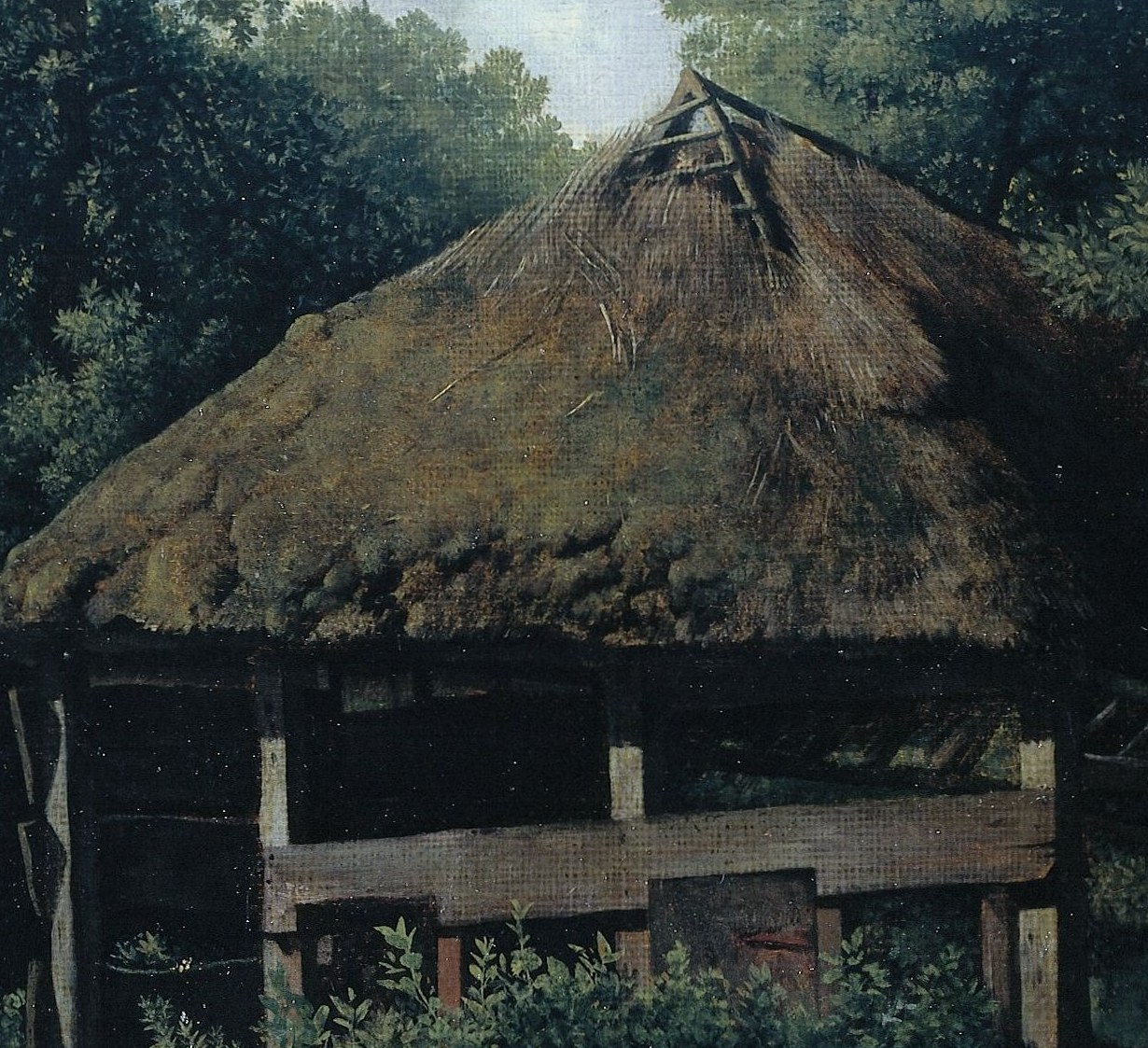
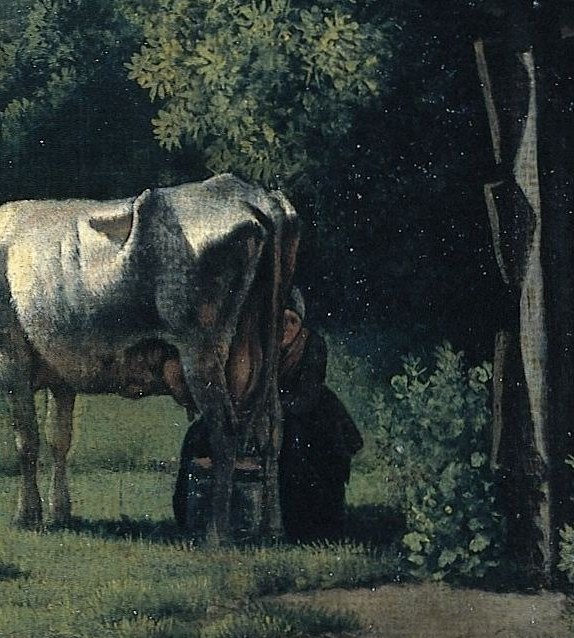
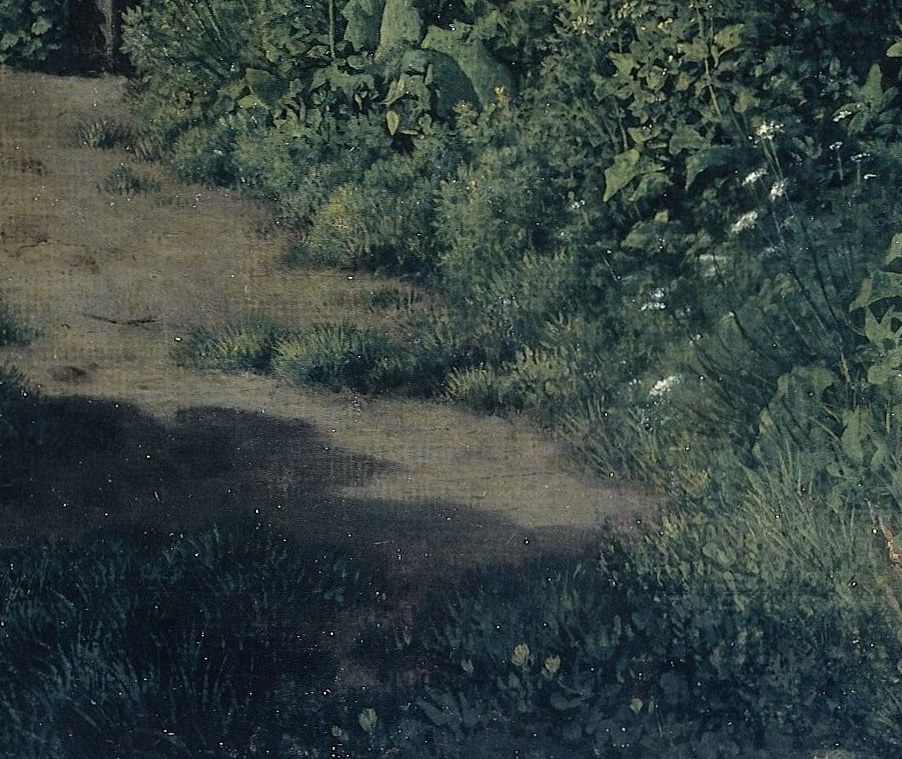
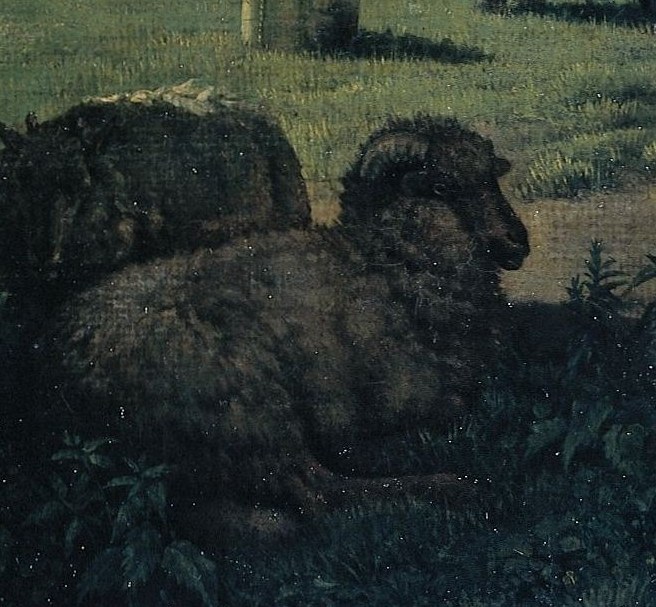
Look at the cow, standing center. The thatched farmhouse, built from the land that surrounds it. The lone tree, the resting sheep, the dirt path inviting you in. Each object is a quiet claim: this is who we are. Simple. Self-sufficient. Rooted in the soil.
Van Troostwijk was 25 when he painted this. He died just three years later, in 1810, leaving behind a small body of landscapes and cityscapes. The painting entered the Rijksmuseum collection and has been on public display ever since, a reminder of what art meant before photography, when a farm was also an argument.
Next time you see a cow in a Dutch landscape painting, ask what the painter was really saying.
Details
Transcript
1807. Dutch painters turn back to the land. The tree. Nature made central, not incidental. The farmhouse. Self-sufficiency, built from the land. A white cow. Livestock as a national symbol. The path invites you in. The simple life is here. Two sheep rest. A portrait of a nation in one farmyard.