Laure de Sade, Comtesse Adhéaume de Chevigné by Federico de Madrazo y Ochoa
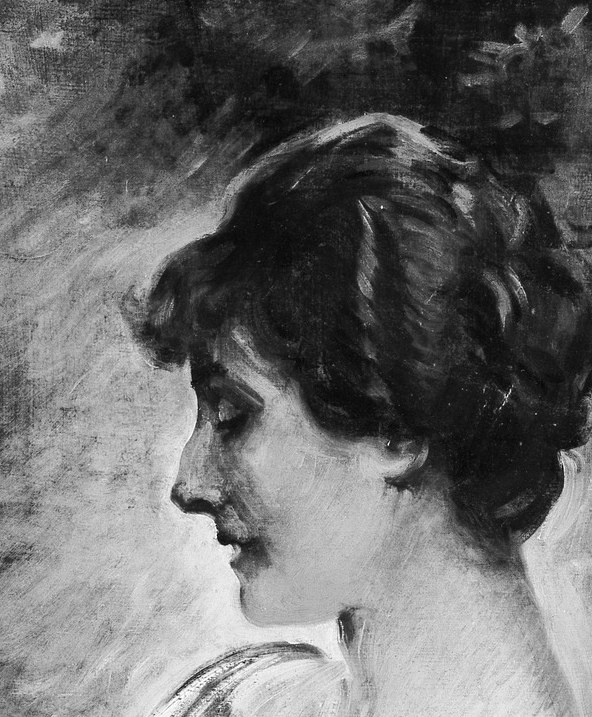
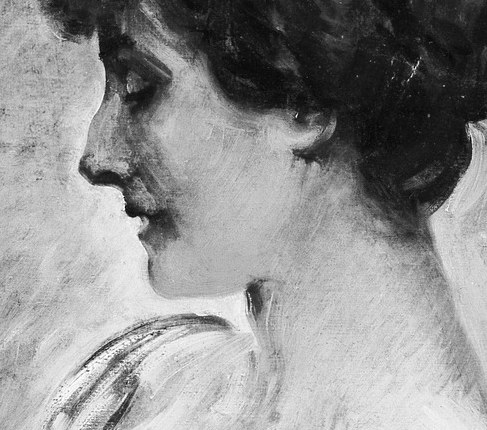
For decades, you had to pass through Laure de Sade's salon to be anyone in Paris. This 1914 portrait by Spanish painter Federico de Madrazo y Ochoa shows the Comtesse Adhéaume de Chevigné exactly as she demanded to be seen: absorbed in a book, her famously sharp profile on display, ignoring you completely. It hangs today in The Metropolitan Museum of Art.
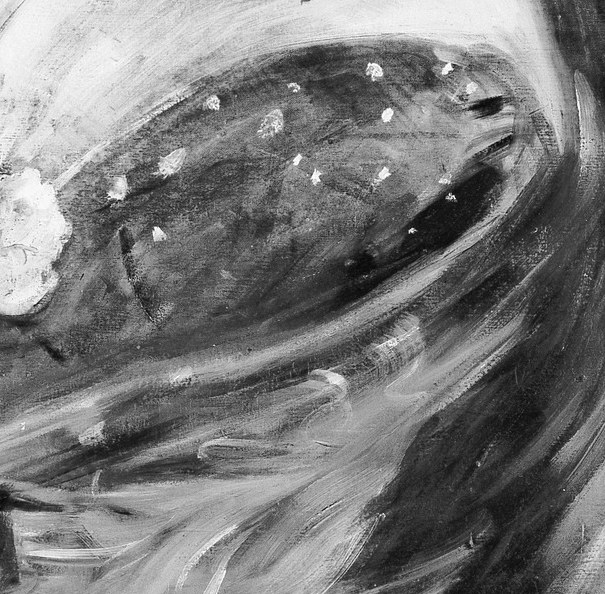
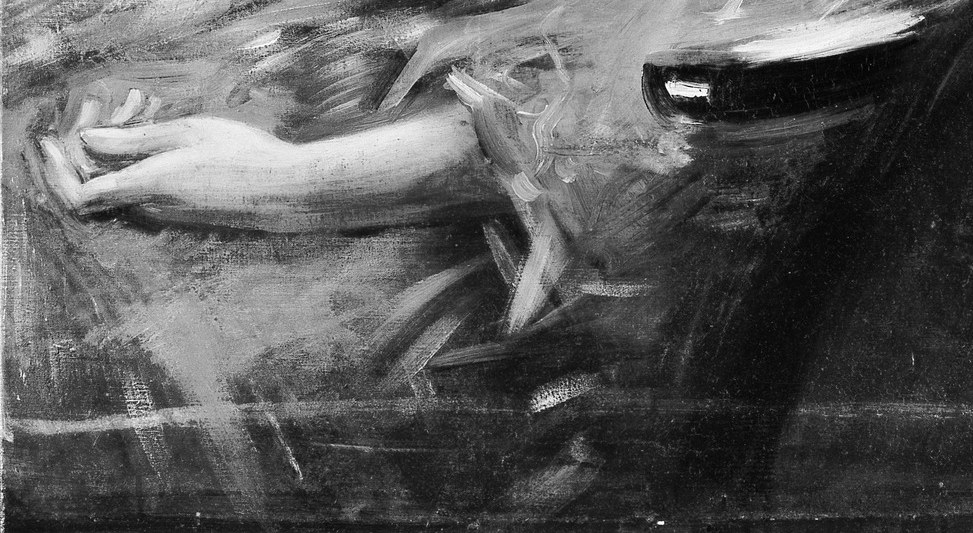
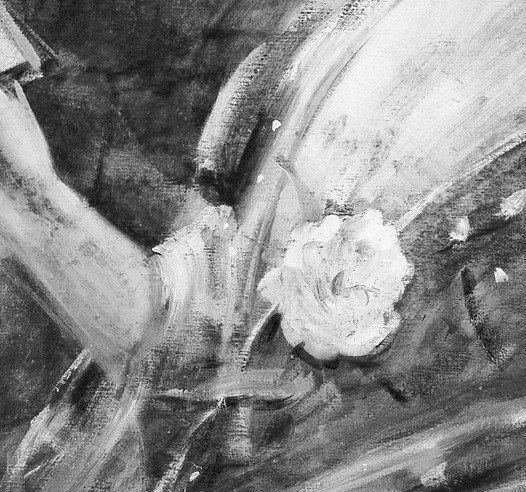
Look first at her jawline in profile. It was so distinctive that Marcel Proust, a frequent guest at her evenings, modeled a character on her in his novel In Search of Lost Time. Then look at the bottom of the canvas. Madrazo y Ochoa, who trained in both Madrid and Paris, left her dress and the background dissolving into loose, Impressionist strokes. The polished finish was reserved for what the Comtesse valued most: her face and her book.
She was born into the Sade lineage and later married into the Chevigné family, but her power came from her own ruthless taste. She once told a young man who professed his love, "I did not ask you to come here." Madrazo y Ochoa captured that austerity in paint. He was the third generation of a Spanish painting dynasty who also collaborated with Jean Cocteau on a Ballets Russes production.
A portrait where the sitter refuses to look at you is a curious thing. It makes you want to know what she is reading.
Details
Transcript
She was a direct descendant of the infamous Marquis de Sade. The Comtesse de Chevigné ruled Parisian society from her salon. She chose to be shown reading, not performing for the viewer. Her sharply defined profile was famous. Marcel Proust borrowed it. The painter left everything below her focus deliberately unfinished.