The Trading Post of the Dutch East India Company in Hooghly, Bengal by Hendrik van Schuylenburgh
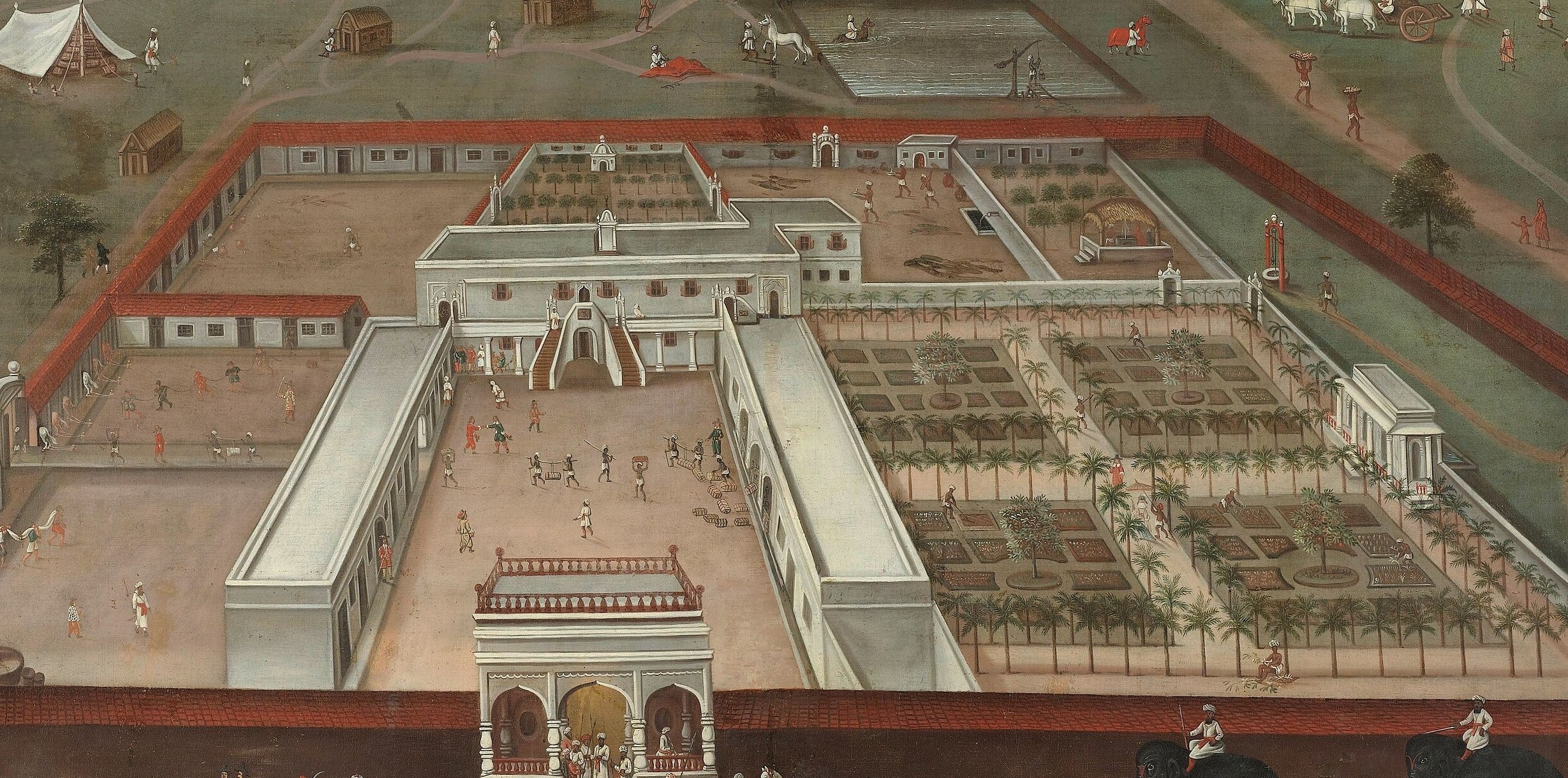
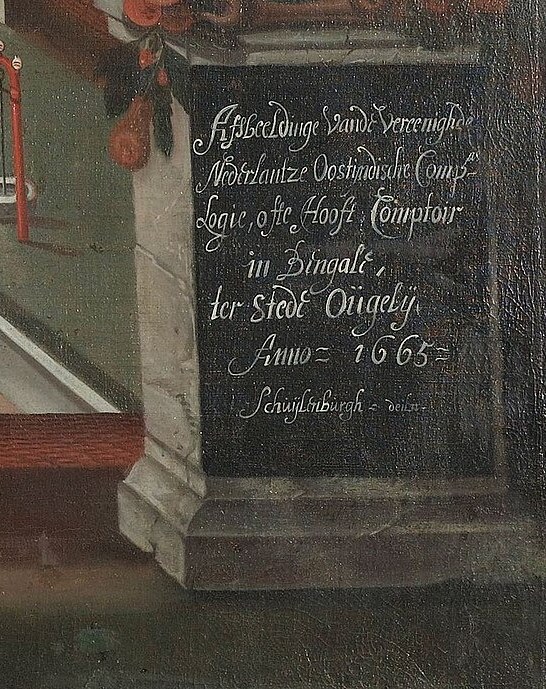
Hendrik van Schuylenburgh's "The Trading Post of the Dutch East India Company in Hooghly, Bengal" (1665) is a remarkable eyewitness account of colonial life. It shows a vibrant scene at a Dutch trading post, blending European and local elements.
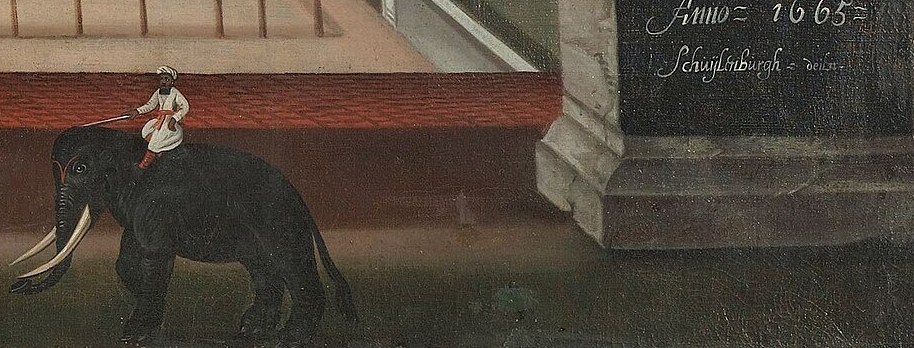
Look at the prominent Dutch East India Company flag, a symbol of global trade. The central building displays European architecture adapted to the region, guarded by soldiers. Note the large sailing ship on the river, the main artery for commerce, and the elephant with a rider, signifying local transport and status.
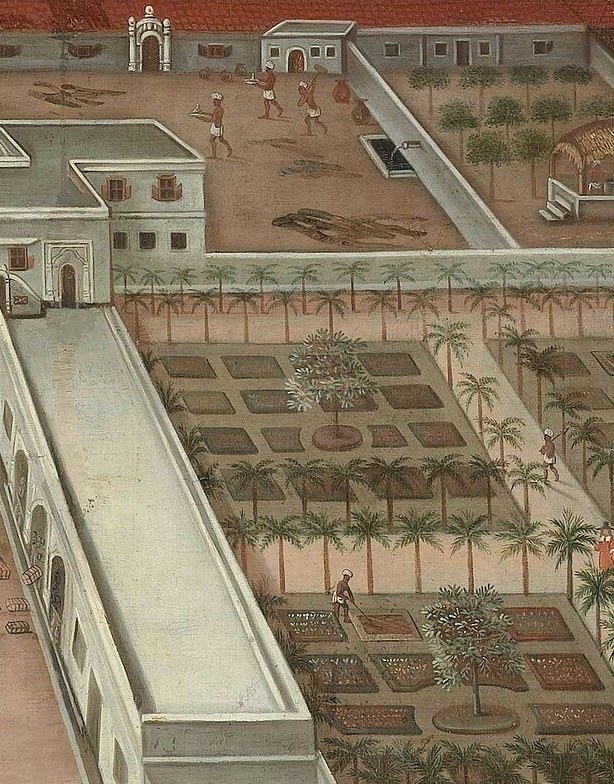
Created in 1665, the painting captures the bustling daily life, from figures in the courtyard and a horse-drawn cart to tents by the river. This work by Schuylenburgh, a Dutch artist, offers a detailed glimpse into the complex interactions and operations of the Dutch colonial enterprise in Bengal.
It's a vivid historical document, showing a world where different cultures met and traded.
Details
Transcript
Look at the Dutch East India Company flag. This was their trading post in Bengal, 1665. Notice the white-walled main building. Soldiers in red uniforms guard the compound. A large Dutch ship brought goods upriver. An elephant carried a VIP through the crowd. This painter documented Dutch colonial life.