Madame David by David, Jacques-Louis

In 1813 Jacques‑Louis David painted his wife Marguerite‑Charlotte in a quiet portrait that survived his revolutionary past.

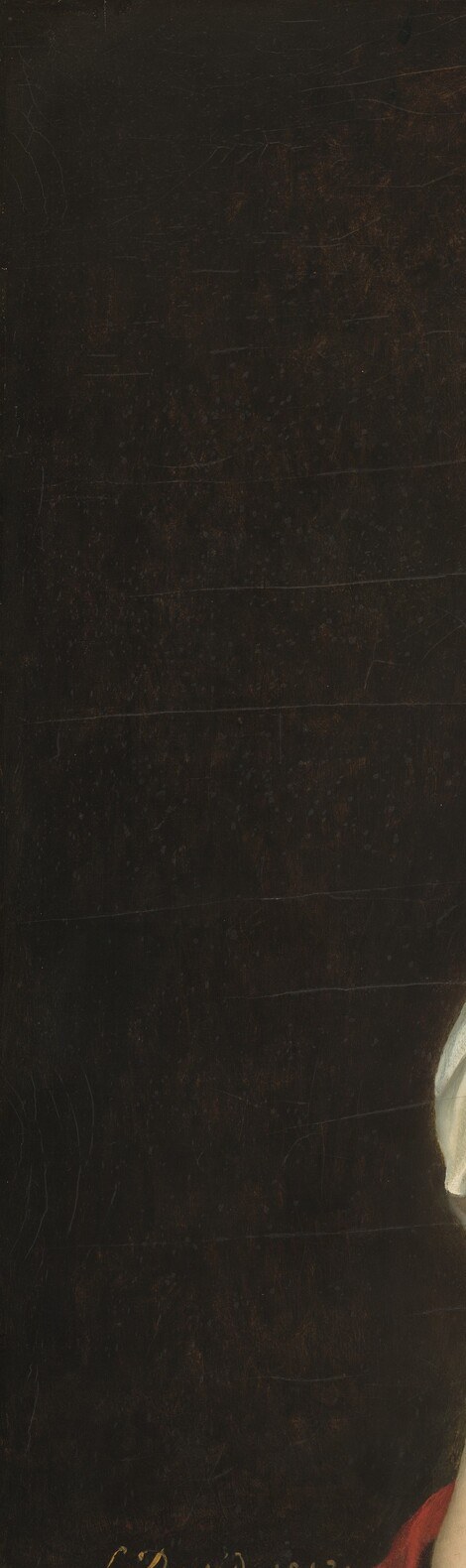
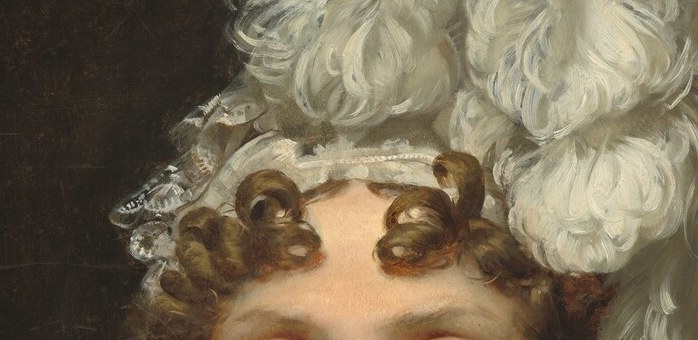
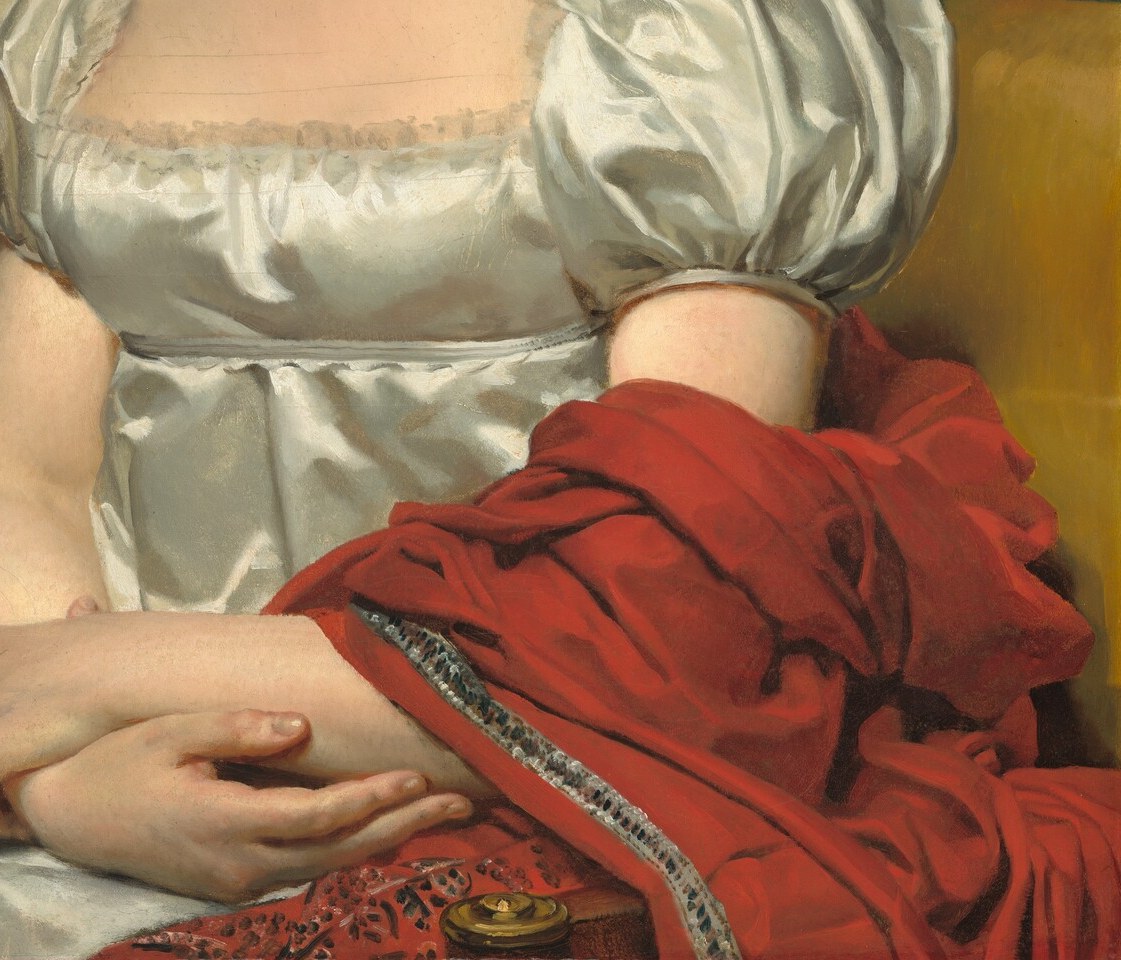
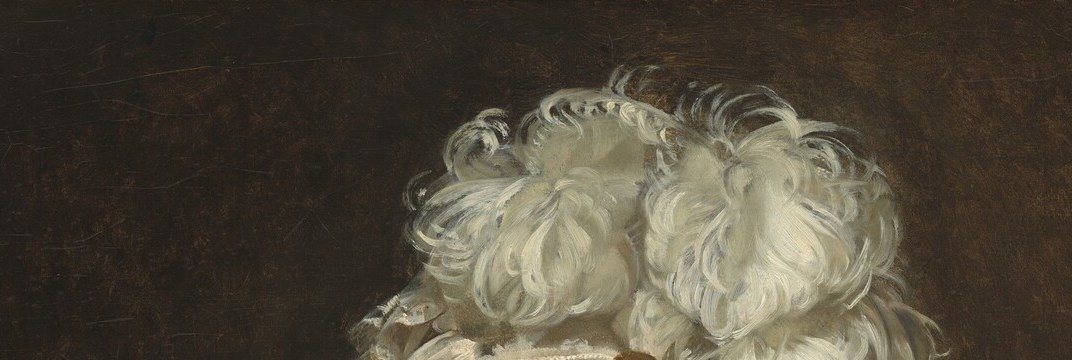
The sitter wears a feathered headdress, a white satin gown, and a deep red shawl, her direct gaze meeting you across a dark background. The lower left bears the inscription ‘L. David. 1813’, confirming the date and author.

David was sixty‑five when he painted it, near the end of his career. Their marriage survived separation after the 1794 vote on the king’s execution, remarriage in 1796, and later passed to their daughter and descendants before entering the National Gallery of Art in 1961.

What does a single, composed look tell you about love and history?

#arthistory #JacquesLouisDavid

Details
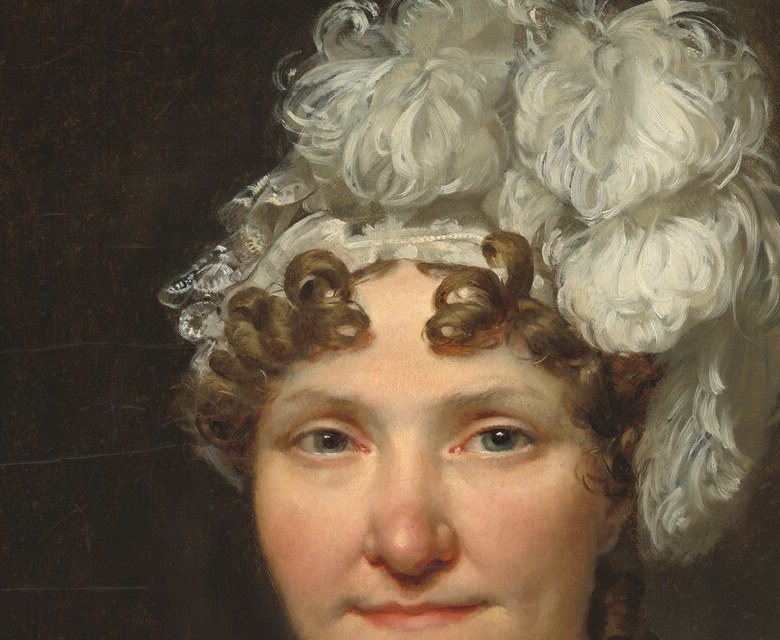
The sitter stares unflinchingly at the viewer with composed authority , David renders his own wife's judgment of the viewer, reversing the power dynamic of portraiture.
David strips away setting entirely , no drapery, no column, no window. The void forces all meaning onto the sitter's face and dress, a late-career austerity that anticipates 19th-century psychological portraiture.
Painted with wet-into-wet highlights; the slight asymmetry and unflinching directness make them feel unposed , a rarity for formal portraiture of this period.
The saturated red anchors the lower third and contrasts sharply with the white bodice , a deliberate coloristic decision that draws the eye downward and implies warmth and domestic intimacy.
Empire-period fashionable headwear sitting high on the head; the elaborate lace and feather detail signals social station and documents 1813 Parisian dress precisely.
Transcript

She sits poised, yet their past raged. The feathered headdress marks her elite status. A deep red shawl drapes across her lap. The satin's sheen reflects David's late-career brushwork. The lower left reads ‘L. David. 1813’ confirming authorship. David painted this at sixty‑five, near the end of his career.