Artwork
Madame David
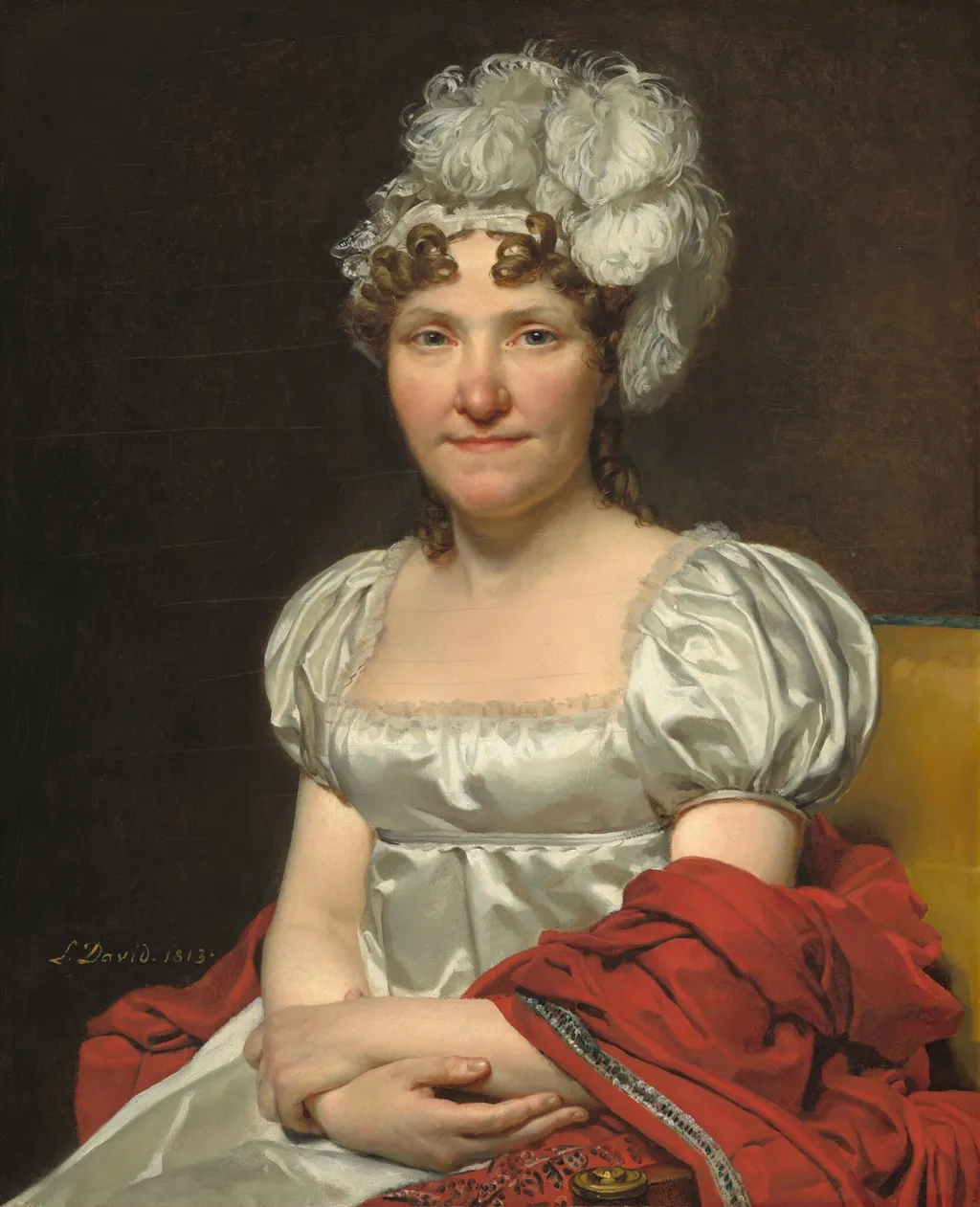
Madame David is an oil painting by the Neoclassicist artist Jacques-Louis David. It dates from 1813 and is held in the collection of the National Gallery of Art.
- Inscription
- Inscribed:lower left: L. David. 1813.
About this work
Marguerite-Charlotte David sits in a harvest-yellow chair, meeting the viewer's gaze with quiet composure. Her husband, Jacques-Louis David, signed and dated the canvas in the lower left, near the hem of her white silk dress and feathered headpiece. The portrait stayed in the family for generations before the Samuel H. Kress Foundation gave it to the National Gallery of Art in 1961.
Subject & Meaning
Only two portraits from this series were completed: the present one and a portrait of David himself by Rouget.
The painting depicts Marguerite-Charlotte David (née Pécoul), the artist's wife, seated in a fauteuil and dressed in the fashionable attire of the 1795–1820 period, including a dress, shawl, and hat. Originally conceived as part of a projected series of family portraits by David and his assistant Georges Rouget, the work was intended to include the couple’s daughters, sons-in-law, and other relatives. Only two portraits from this series were completed: the present one and a portrait of David himself by Rouget.
Thus, the painting functions both as a private likeness of David’s spouse and as a fragment of a larger, unrealized dynastic representation of the artist’s family.
Technique & Style
Jacques-Louis David executed Madame David in oil on canvas, a support measuring 72.9 by 59.4 cm. The portrait exemplifies the Neoclassical style, characterized by precise draftsmanship, smooth brushwork, and a restrained palette that prioritizes clarity of form. David renders his wife with careful attention to the textures of her shawl, dress, and feathered hat, while the soft modulation of light across her face and seated figure conveys a dignified, intimate presence. The composition, with the sitter turned slightly in a fauteuil, follows conventional portrait formulas of the period, yet David’s refined handling and subtle modeling of flesh tones elevate the work.
No recent condition reports are noted in the sources, but the painting has remained in stable institutional care since its 1961 gift to the National Gallery of Art.
History & Provenance
Painted by Jacques-Louis David in 1813, this portrait of his wife Marguerite-Charlotte David (née Pécoul) was conceived as part of an intended series of family portraits by David and his assistant Georges Rouget; only this work and a portrait of David by Rouget were completed. Upon the sitter's death in 1826, the painting passed to her daughter, then successively through female descendants: Laure-Emilie-Félicité David (Baronne Claude-Marie Meunier), Pauline Derode (Baronne Jules Meunier), Mathilde Jeanin (Mme. Marius Bianchi), Caroline-Pauline-Thérèse (Comtesse Joachim Murat), and Renée (vicomtesse de Fleury). It entered the art market in 1948 with dealer Pierre Cailleux, was jointly owned by Galerie les Tourettes and M. Knoedler & Co. from 1953, and was sold in 1954 to the Samuel H. Kress Foundation.
The Kress Foundation gifted it to the National Gallery of Art in 1961, where it remains in the Samuel H. Kress Collection.
Madame David is held by the National Gallery of Art, Washington, D.C., as part of the Samuel H. Kress Collection. The painting was bequeathed by the sitter in 1826 and passed through several descendants before being jointly owned by dealers Pierre Cailleux, Otto Wertheimer, and M. Knoedler & Co. It was sold in 1954 to the Samuel H. Kress Foundation and gifted to the National Gallery of Art in 1961. The work was included in the exhibition "Jacques-Louis David."
Overview
Jacques-Louis David created this oil portrait of his wife, Marguerite-Charlotte Pécoul, in 1813. Executed when the artist was sixty-five, it represents one of his later works. The painting captures a direct and composed image of Madame David, reflecting an intimate personal connection. David's inscription, "L. David. 1813," confirms its authorship and date, placing it among his final artistic endeavors.
Context
This portrait was painted during a period of significant personal and political change for David. By 1813, he was in his mid-sixties, nearing the conclusion of his prolific career. The work also reflects the enduring bond with his wife, Marguerite-Charlotte, whose marriage had navigated the tumultuous French Revolution, including a separation in 1794 following David's vote for the execution of Louis XVI, before their reconciliation and remarriage in 1796.
Own this work as a print
Artist & collection
Artist
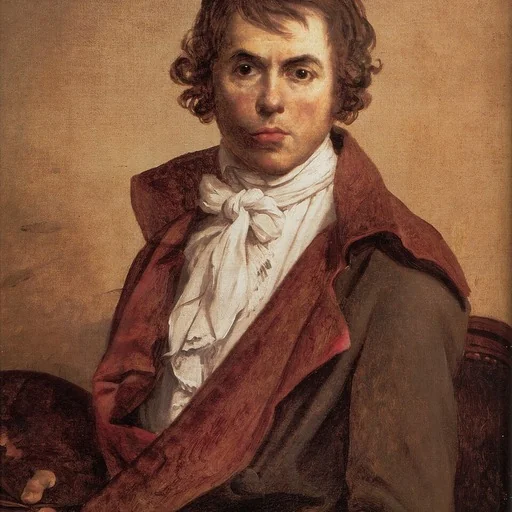
Jacques-Louis David was born in Paris on 30 August 1748 into a bourgeois family; his father died in a duel when the boy was nine, and a maternal uncle guided his education.

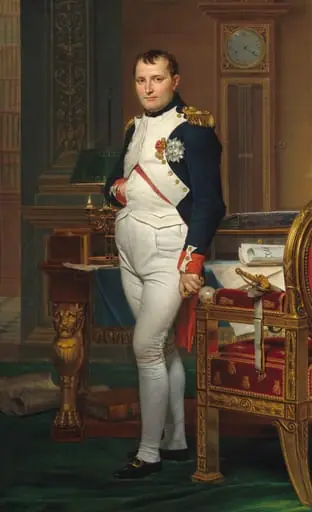 The Emperor Napoleon in His Study at the Tuileries
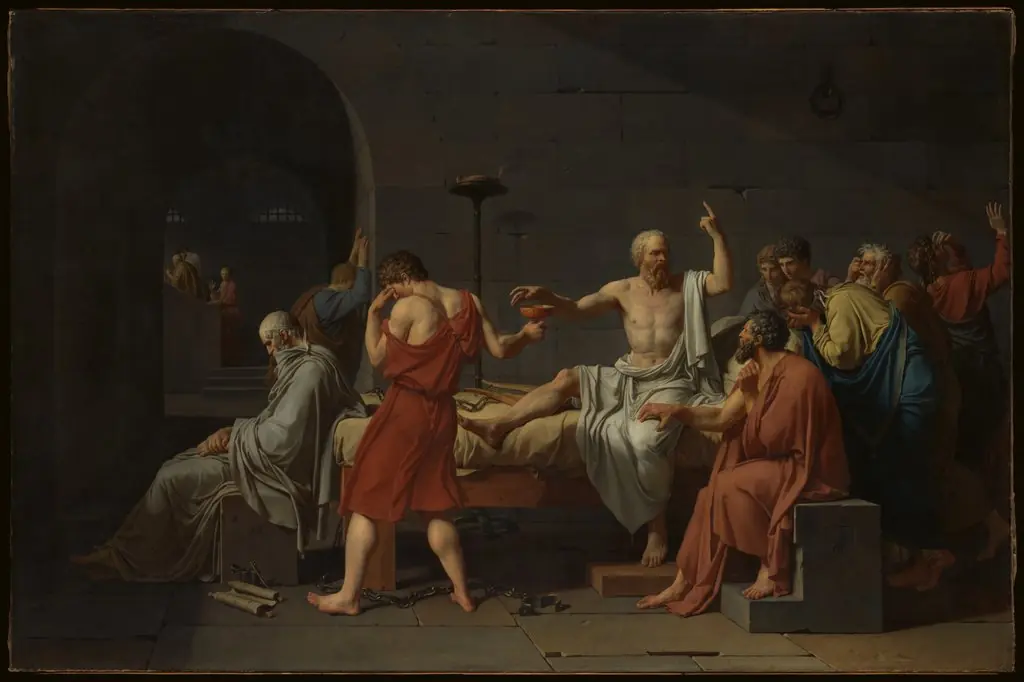 The Death of Socrates
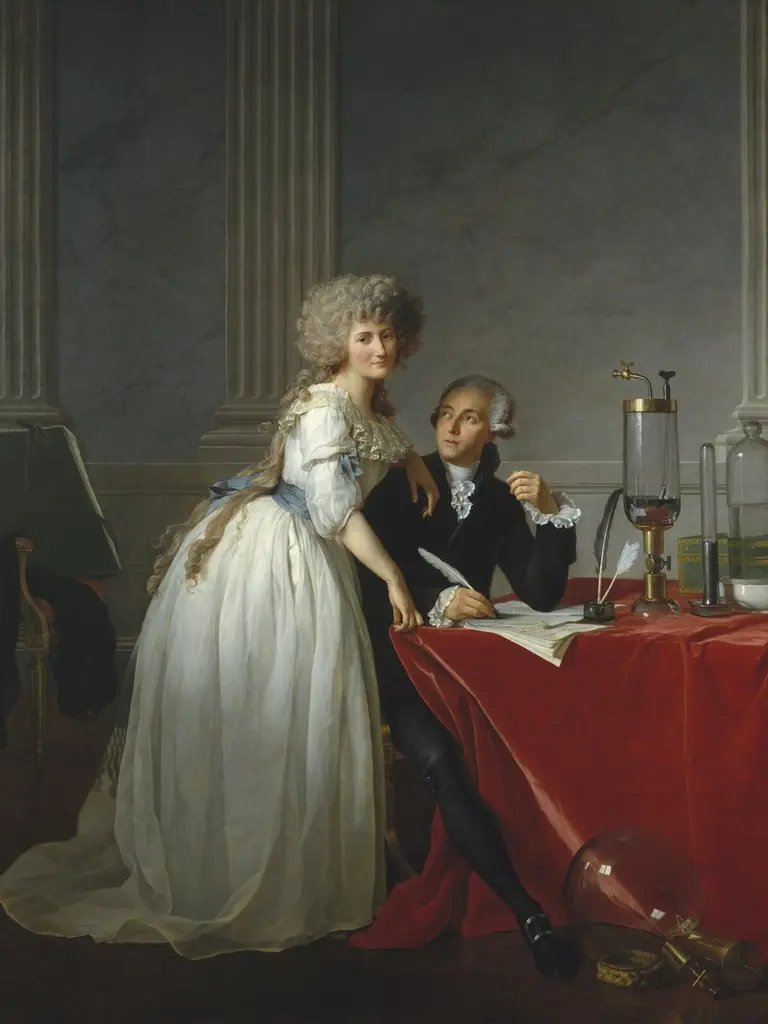 Portrait of Antoine-Laurent Lavoisier and his wife
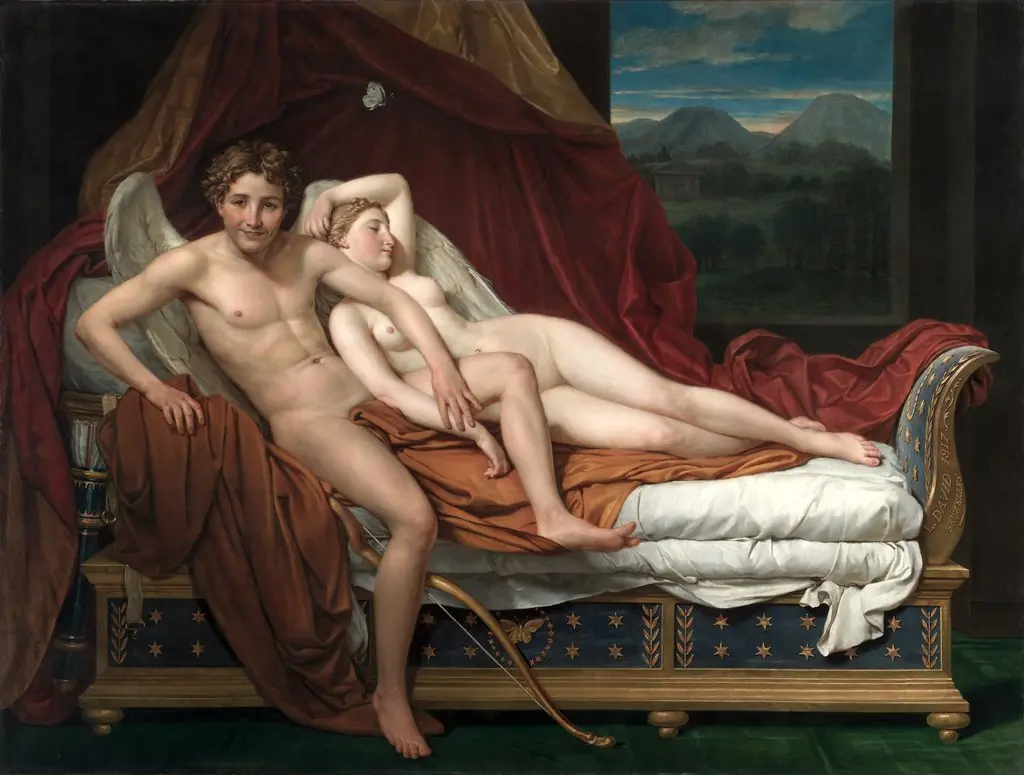 Cupid and Psyche
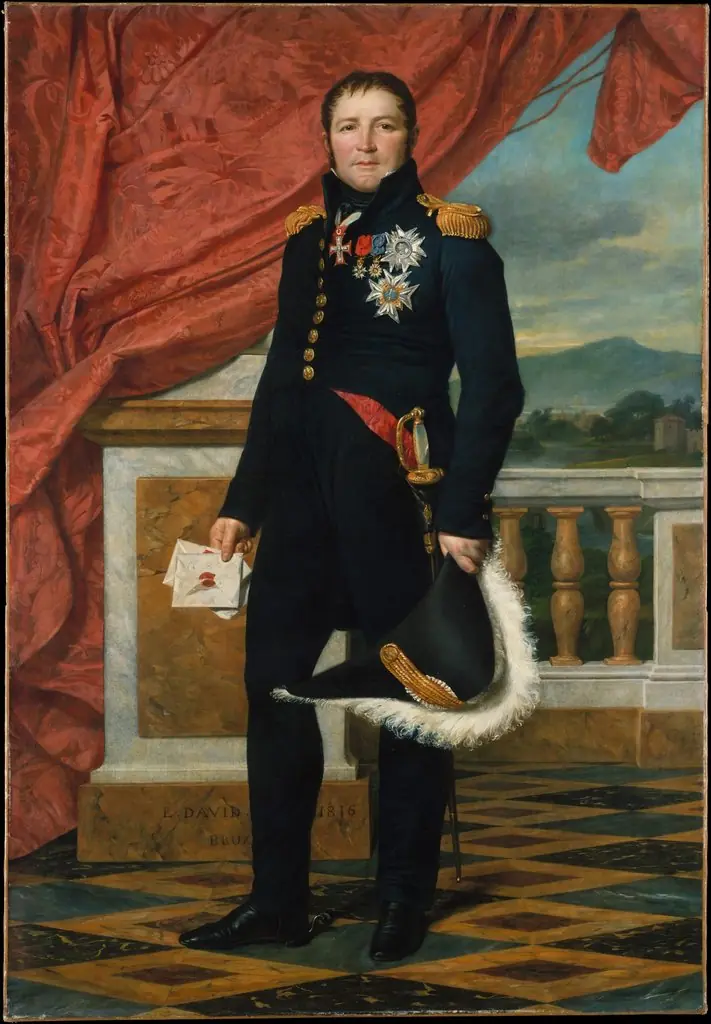 General Étienne-Maurice Gérard (1773–1852), Marshal of France
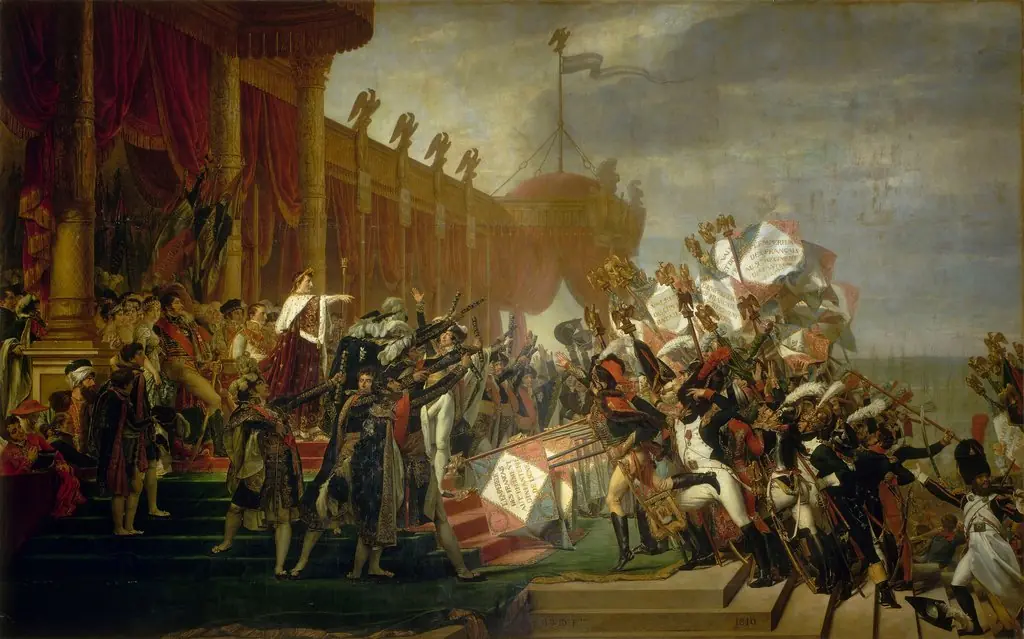 The Distribution of the Eagle Standards
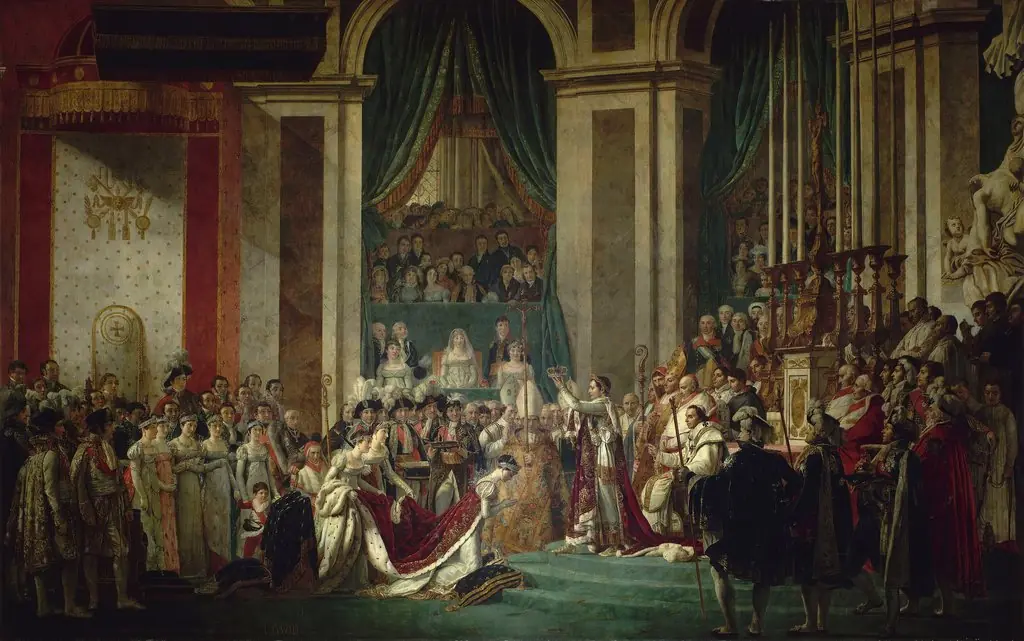 Coronation of Emperor Napoleon I and Coronation of the Empress Josephine
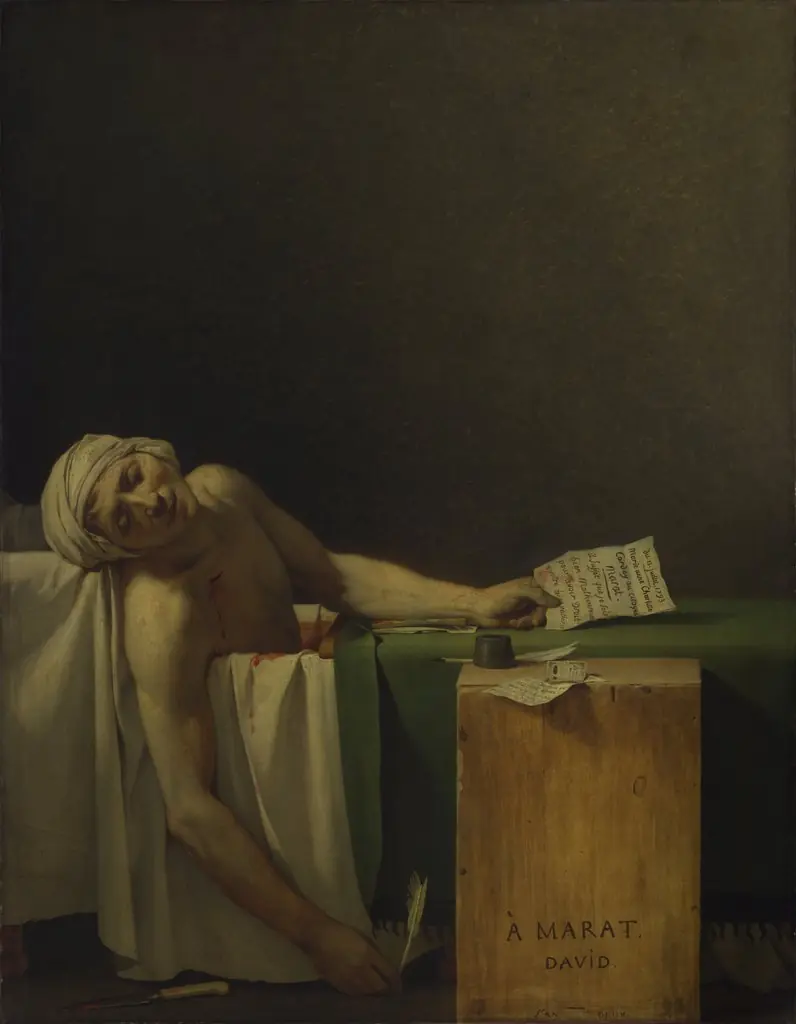 The Death of Marat
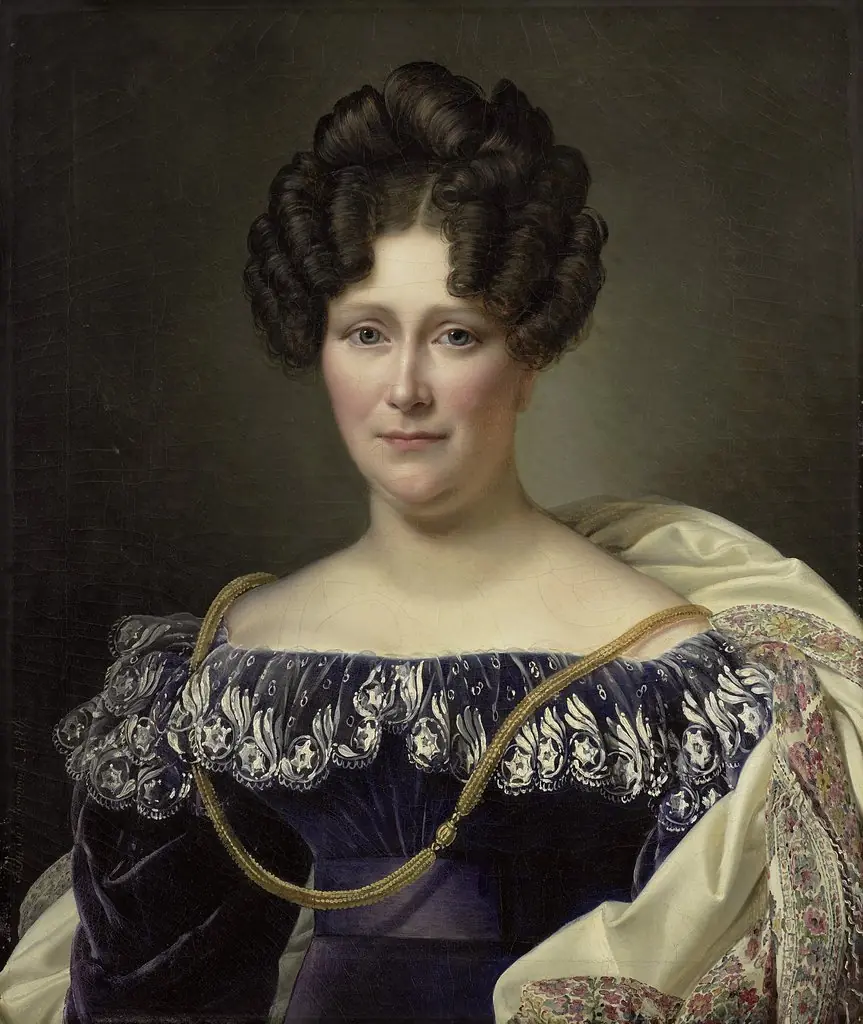
- Portrait of Johanna Henriette Engelen, second Wife of Daniel Francis Schas
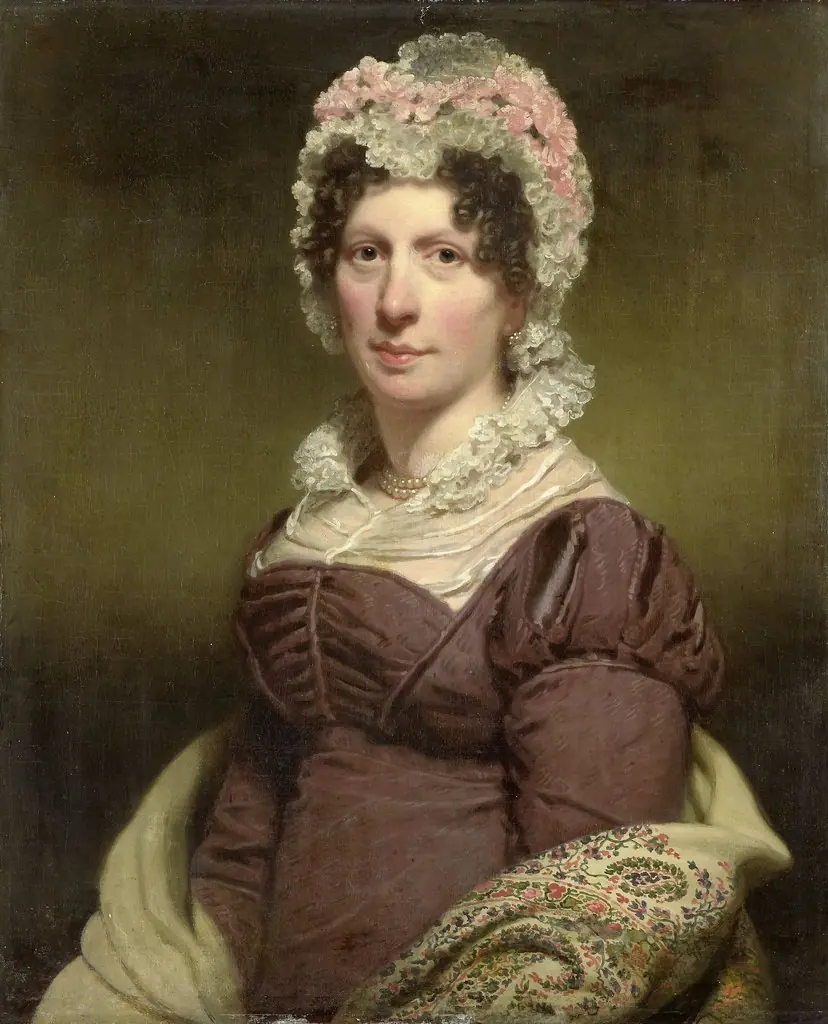 Portrait of a Woman
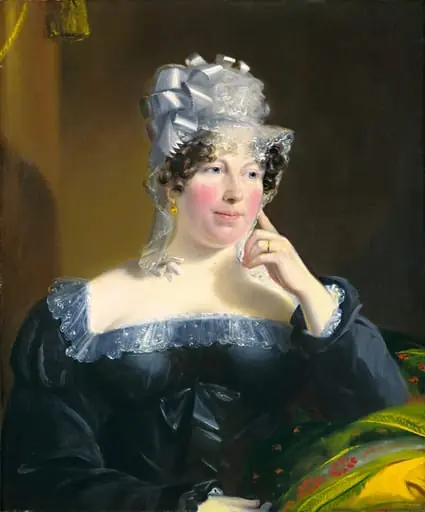 Portrait of a Lady
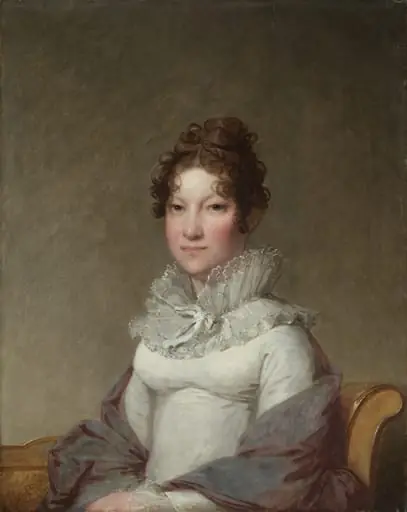 Mary Campbell Stuart
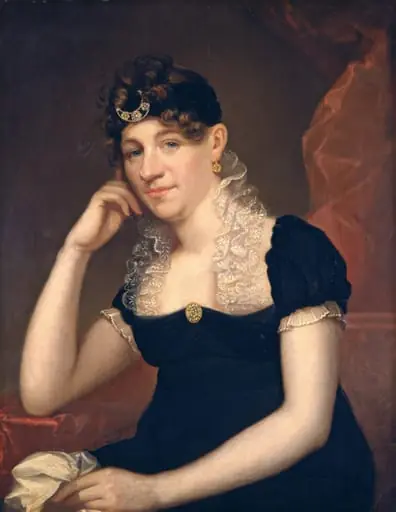 Maria Gansevoort Melvill (Mrs. Allan Melvill)
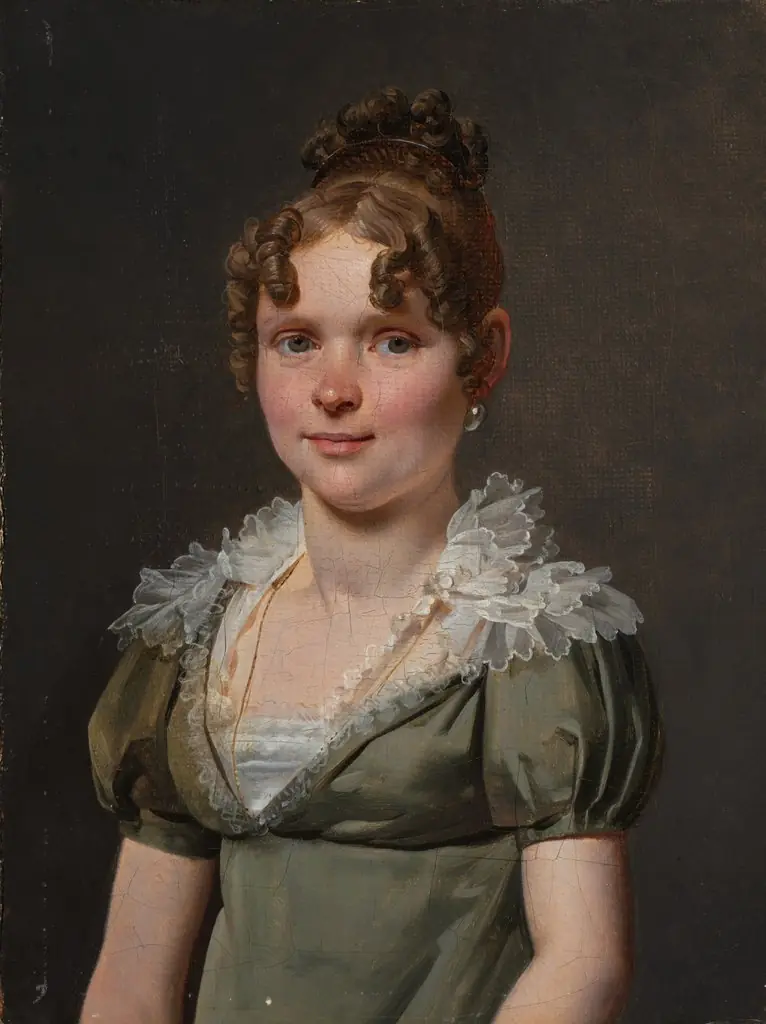 Madame Nicolas Louis Faret
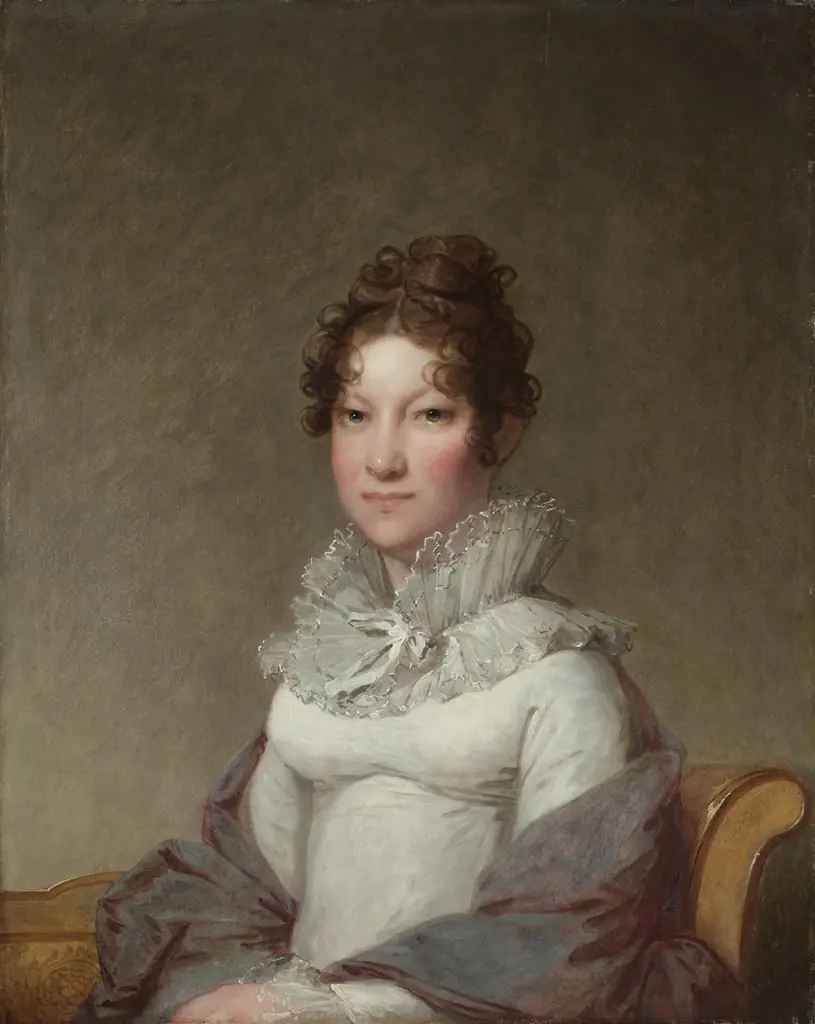 Mary Campbell Stuart
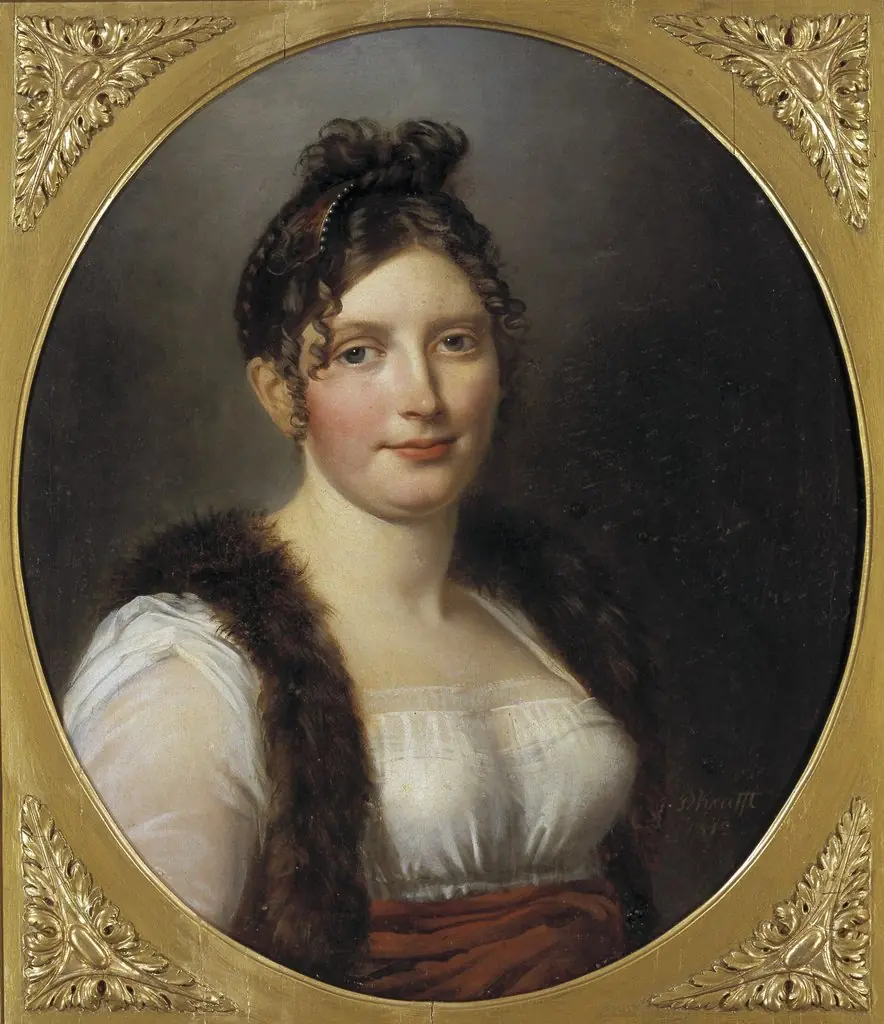 Catharina Charlotta Bågh (1777-1816), gift med friherre Pehr Erik Skjöldebrand
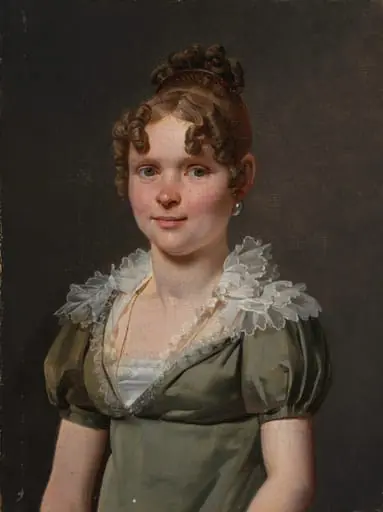 Madame Nicolas Louis Faret
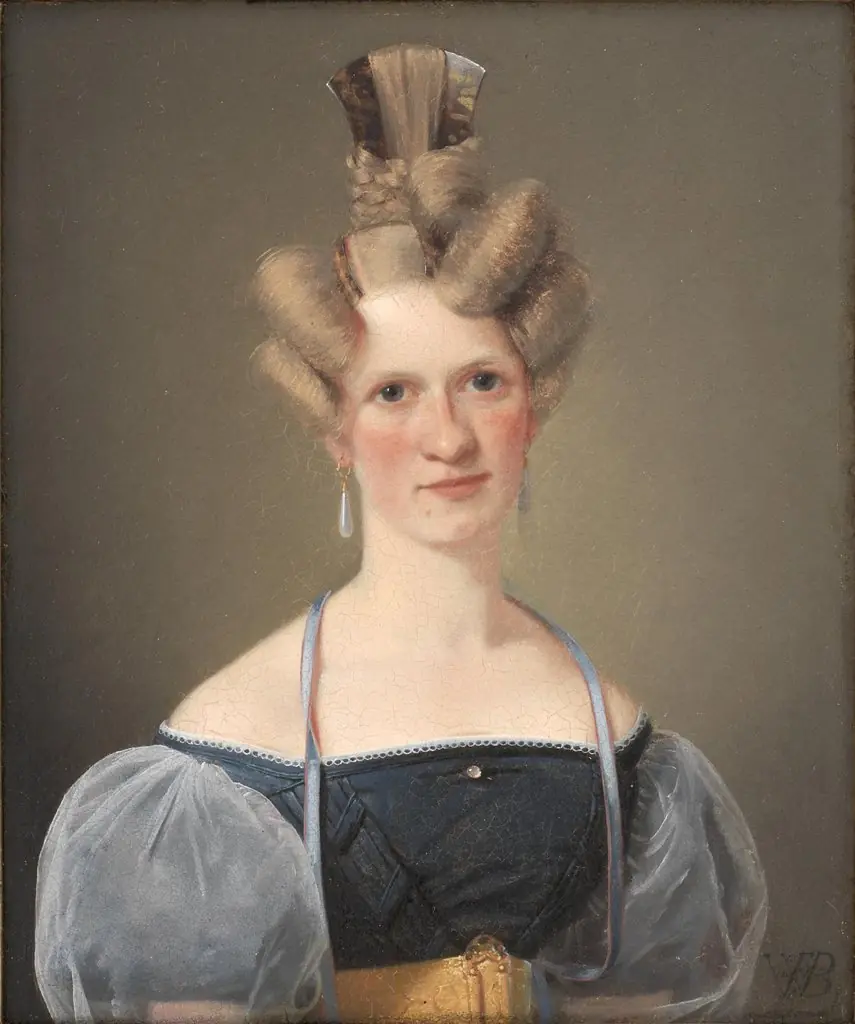 Marie Raffenberg, the Artist's Betrothed
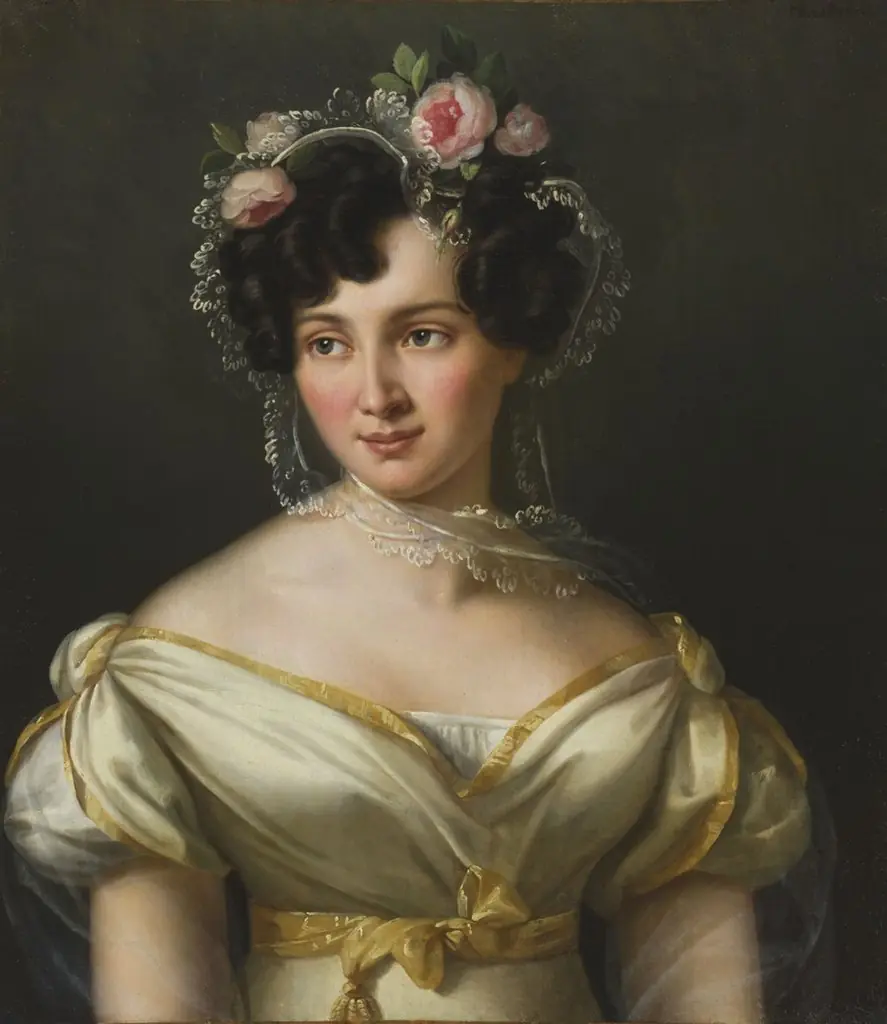 Portrait of Princess Anna Nikolayevna
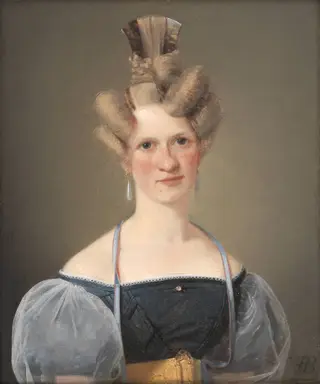 Marie Raffenberg, the Artist's Betrothed
 Studied in the Portraiture Across Time course