Louis Guillaume by Cezanne, Paul
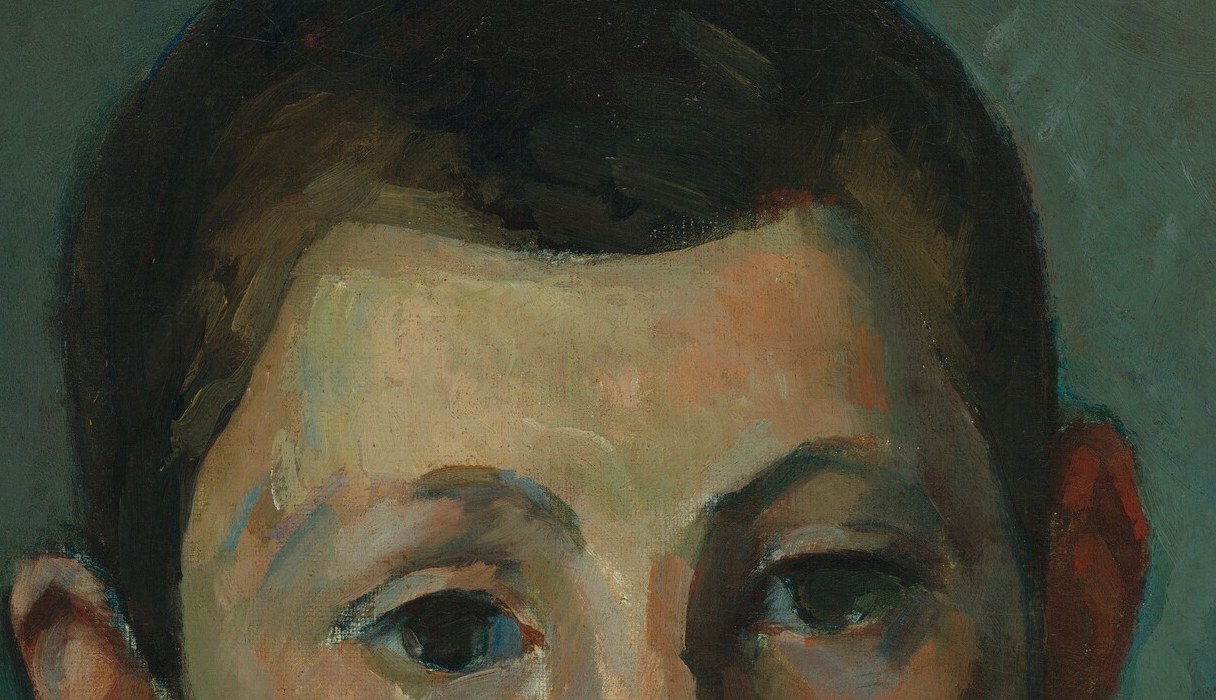
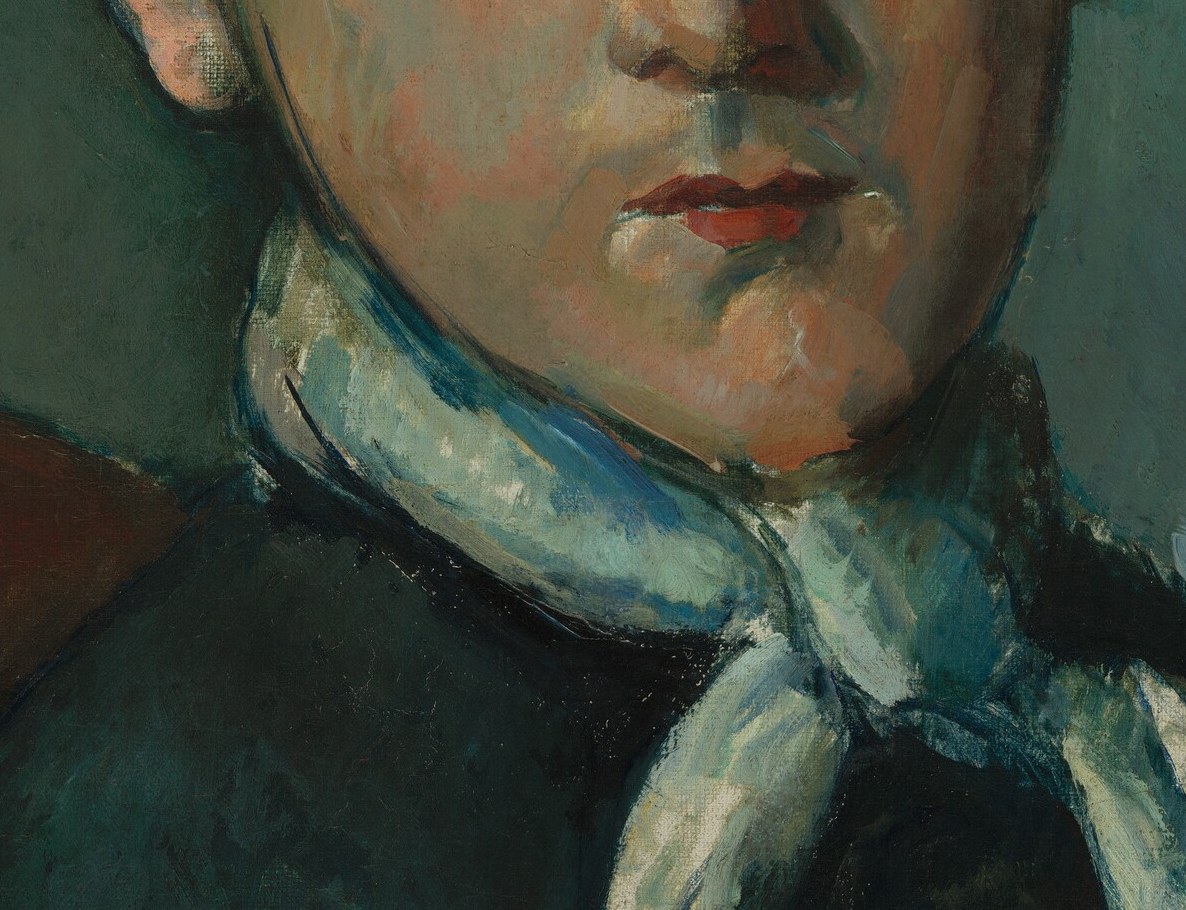
Paul Cézanne's 'Louis Guillaume' was refused by the Paris Salon in 1884. The official jury took one look at its patchy, exposed brushwork and called it unfinished. Today, those same passages are taught as the blueprint for Cubism.
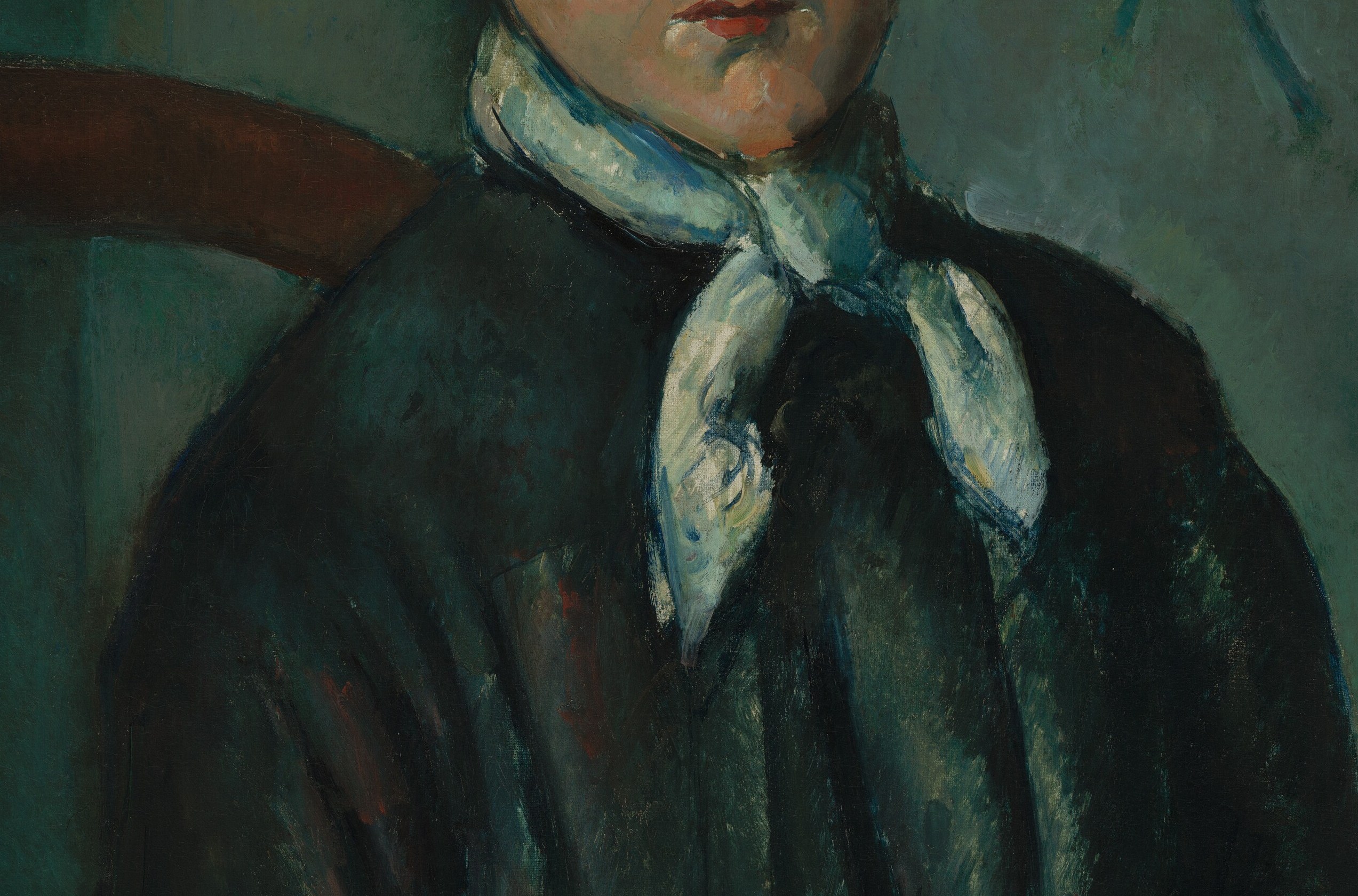
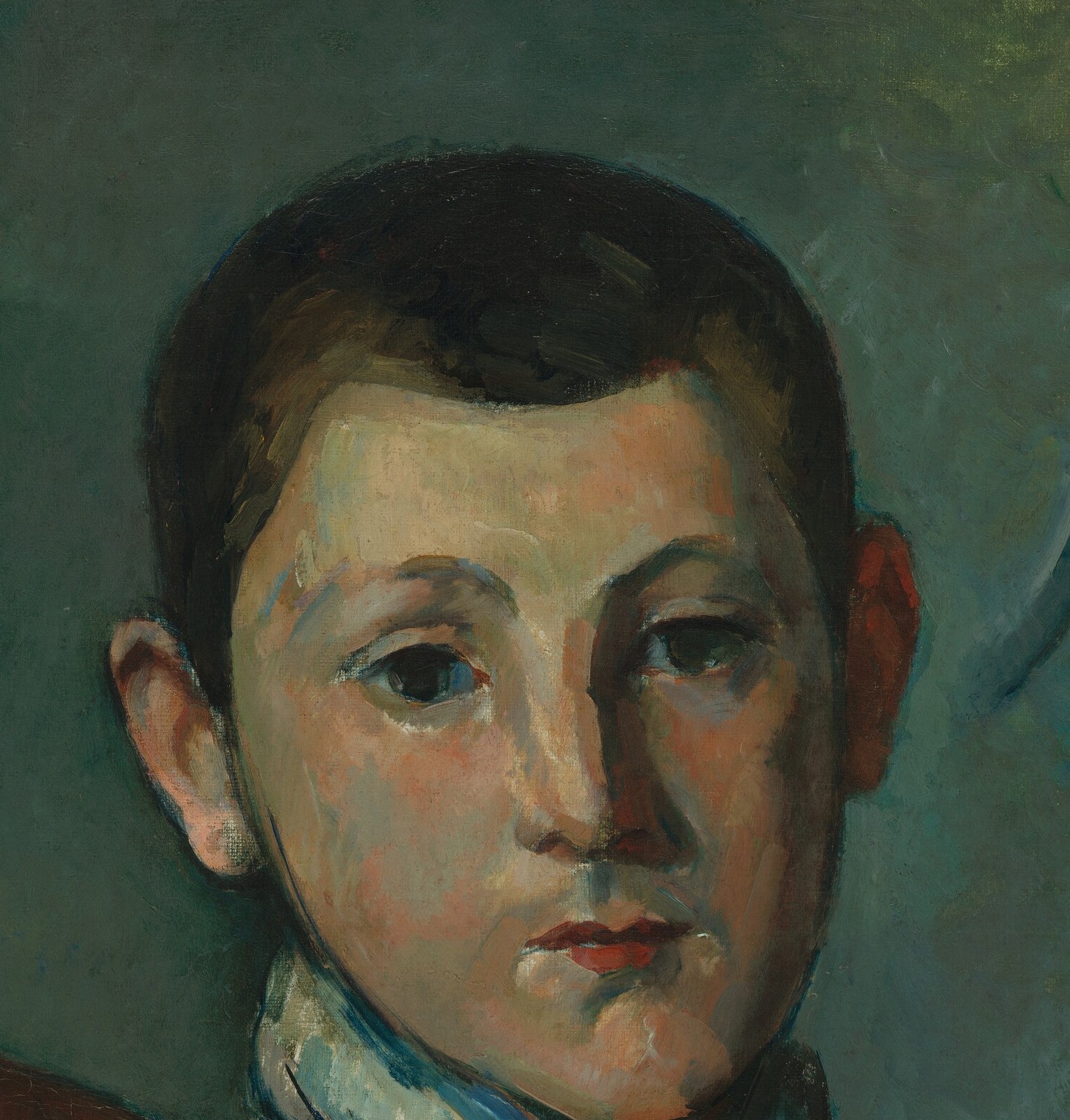
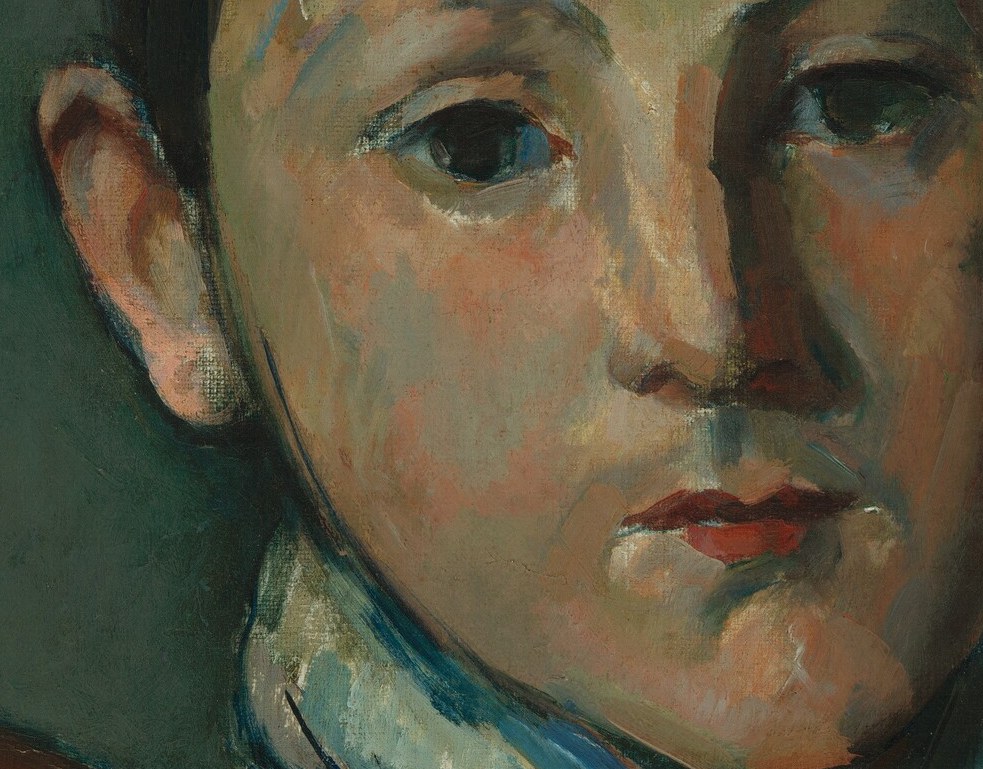
Look at the boy's jaw. There is no line, only warm ochre meeting a cooler shadow. Cézanne modeled the entire head this way, shifting color temperature to build structure instead of using traditional shading. The dark jacket is broken into flat, geometric planes that barely describe fabric. The right hand is left deliberately sketchy, while the face is highly resolved. Every choice was intentional.
Louis Guillaume was a close friend who sat for Cézanne multiple times across several years. That repetition speaks to genuine affection. The portrait captures a steady, level gaze without sentimentality, a psychological stillness that felt alien to the 1880s art establishment but reads as modern now.
Rejection, for Cézanne, was routine. He submitted to the Salon year after year and was admitted only once. He kept painting anyway, and the next generation built a new art on the ground he broke.
Details
Transcript
In 1884, this portrait was refused by the Paris Salon. The jury saw only an unfinished sketch. But Cézanne was doing something deliberate. He built the face out of shifting color, not shadow. The sitter was his close friend, Louis Guillaume. He sat for Cézanne more than once, a record of real trust. Rejected from the walls, but built to outlast the walls.