Garden with Butterflies by Vincent van Gogh
"Garden with Butterflies" is a small oil painting Van Gogh made in summer 1890, the last year of his life. It hangs at the Rijksmuseum in Amsterdam, a late still life most visitors walk past.
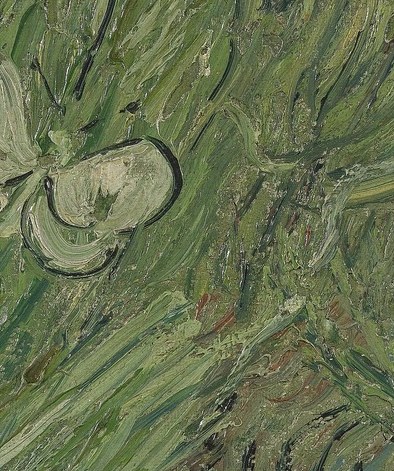
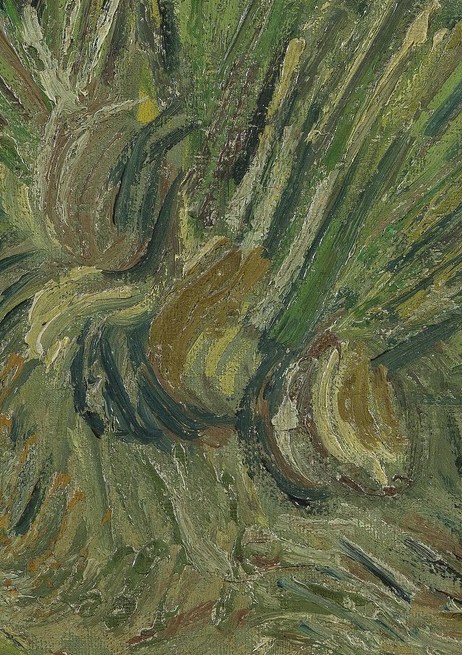
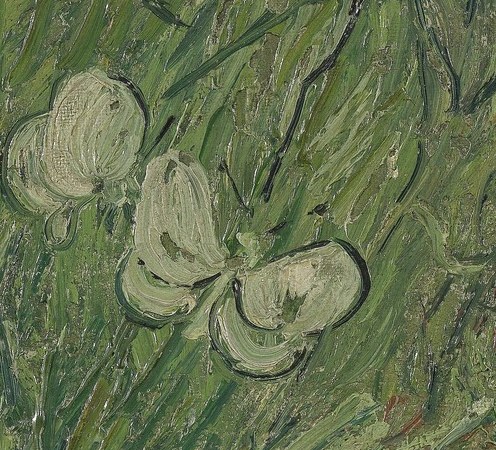
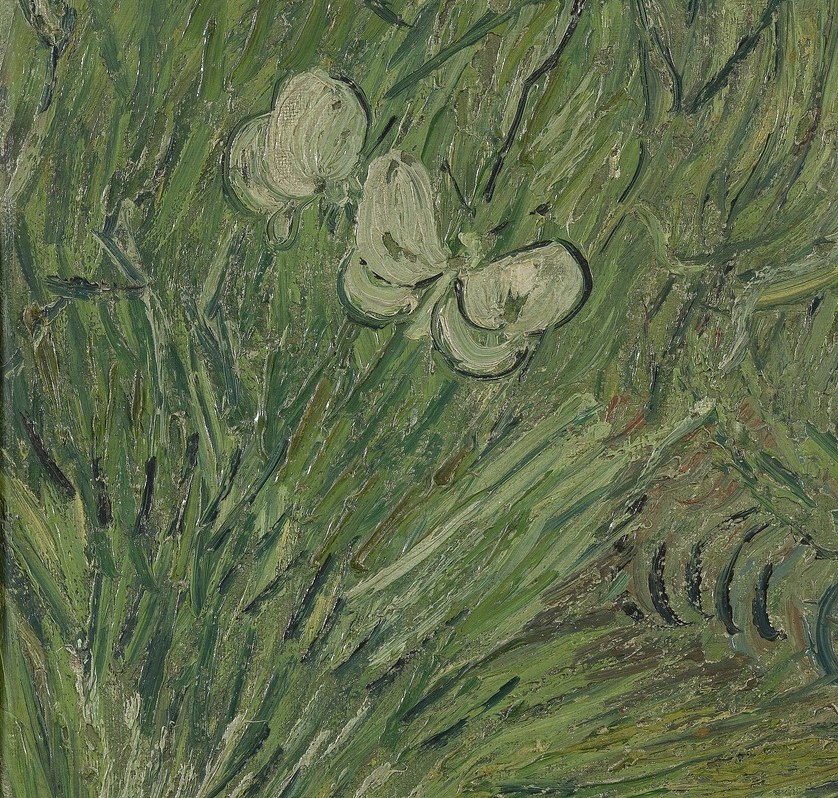
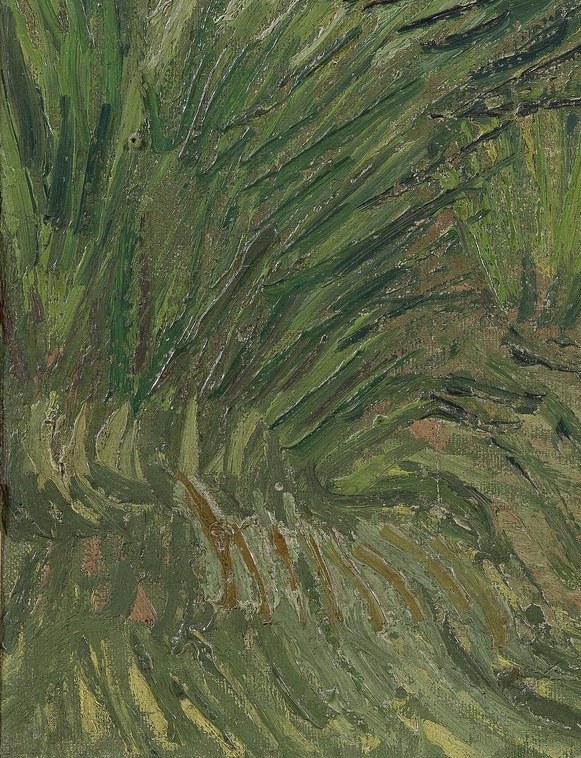
Look for the two white butterflies. One is in flight, the other rests in the tall grass. In still-life painting, butterflies stand for the soul, one departing, one at rest. The brown seed heads among the wildflowers mark the cycle of decay. Then look closer at the paint itself: thick, swirling, almost sculptural. Every blade of grass appears to move.
Van Gogh painted this at Auvers-sur-Oise in the weeks before his death at 37. He produced over 800 oil paintings, most in his final two years. His brushwork grew more intense and physical as time ran short, the act of painting as proof of being alive.
The garden's symbols all point to an ending. But the paint tells a different story. Which one do you believe?
Details
Transcript
Summer, 1890. Van Gogh's last. A butterfly in flight. The soul. Seed heads. The cycle ending. A second butterfly rests in the grass. The paint itself won't stop moving.