Yellow Light by Ralph Albert Blakelock
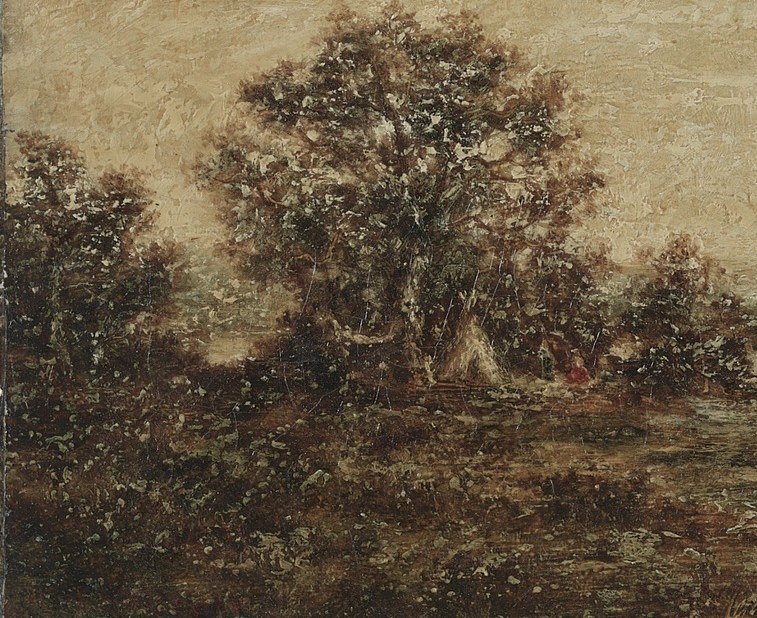
Ralph Albert Blakelock’s 1893 oil painting, "Yellow Light", currently held at The Cleveland Museum of Art, isn't just a landscape; it's an exploration of atmospheric effect and emotion through light.
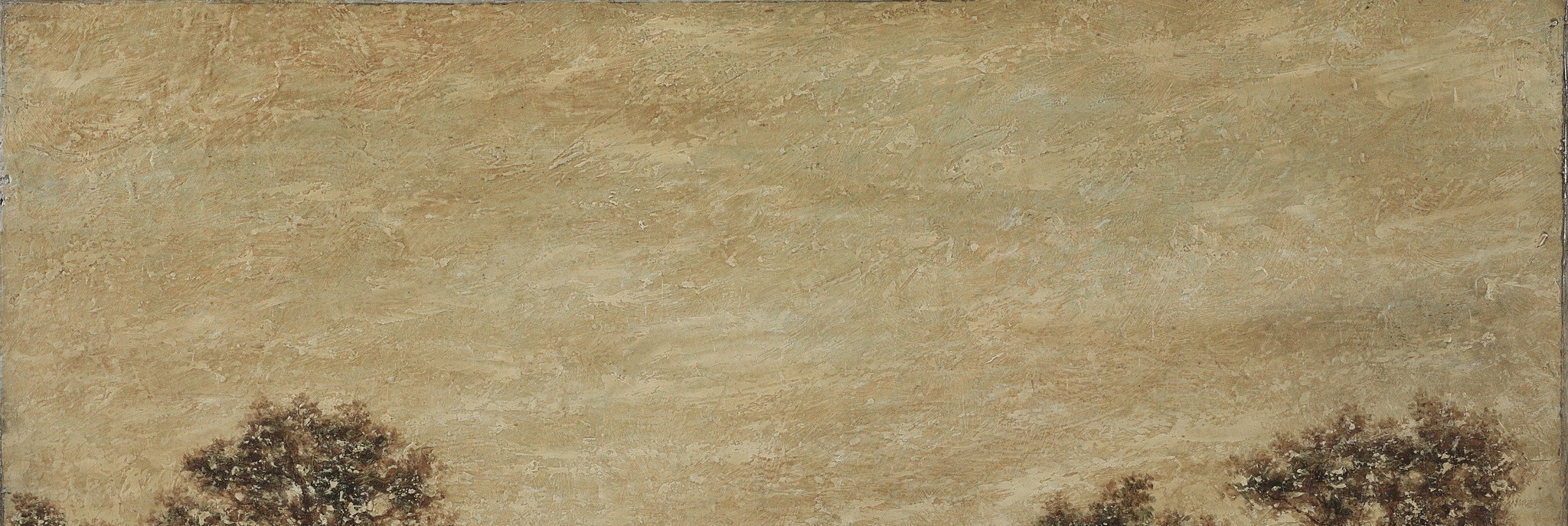
Notice the stark contrast between the luminous, almost flat, golden sky and the subdued, earthy tones of the winding river and dense foliage below. A small, subtle red figure provides the only hint of human presence, emphasizing the painting's focus on atmosphere over narrative.
Blakelock, an American Tonalist painter, achieved this powerful effect through a technique called impasto, applying thick, uneven strokes of oil paint. This gives the sky a tangible, almost three-dimensional quality, making the light feel deeply internal to the painting.
This work reflects Blakelock's late-career experimentation with bold, gestural paint application. What mood does this unique light evoke in you?
Details


Transcript
In 1893, this American painter sought a new kind of light. He was known for landscapes, but this is less a place than a feeling. The winding river reflects almost no light at all. Only a tiny red figure suggests human presence. But the sky, thick with impasto, glows with an inner fire. The deliberate, heavy brushwork creates a palpable, three-dimensional light.