The Burial of Christ by Annibale Carracci
This is Annibale Carracci's 'The Burial of Christ,' painted around 1595 and now in the Metropolitan Museum of Art. It was acquired by the museum in 1998, but not as a Carracci. It was bought as a work by his pupil, Sisto Badalocchio.
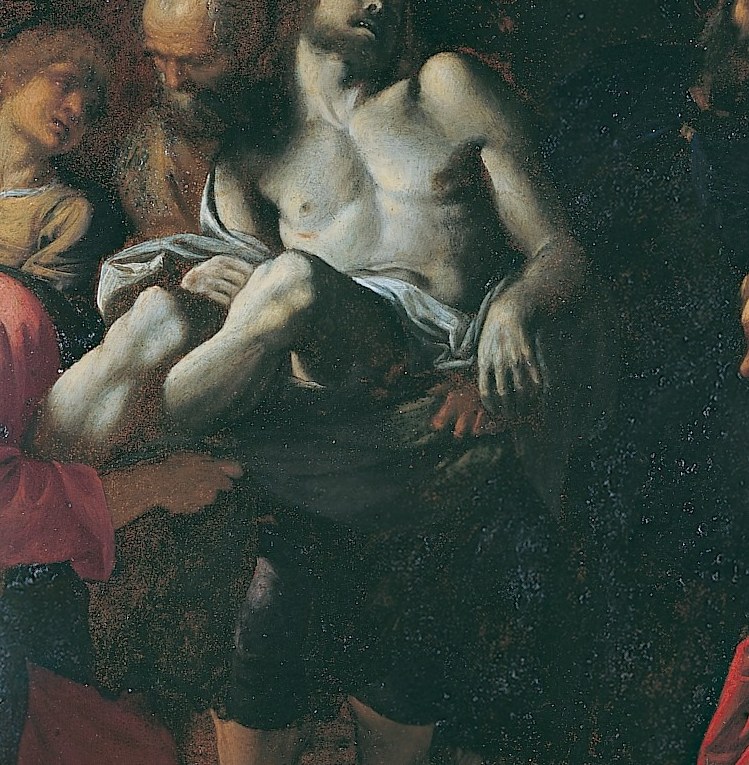
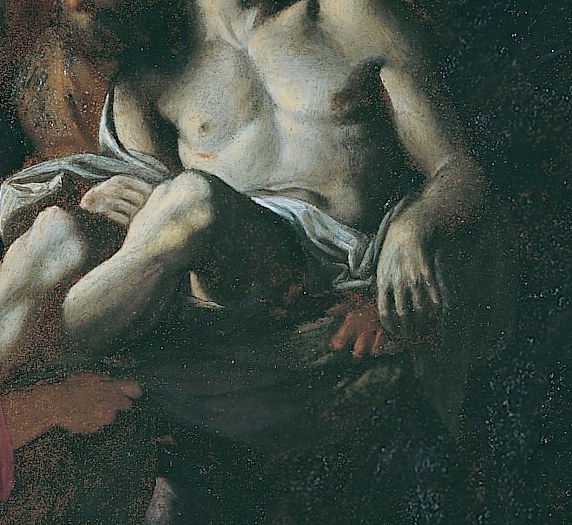
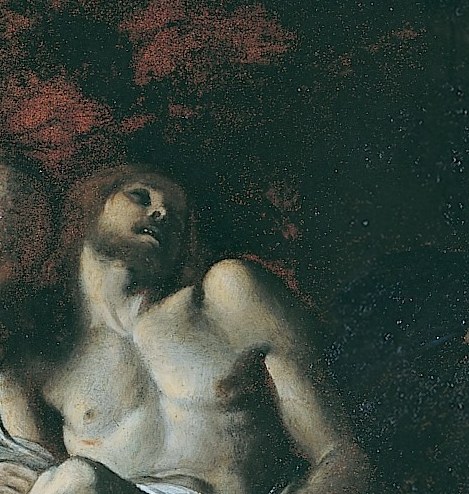
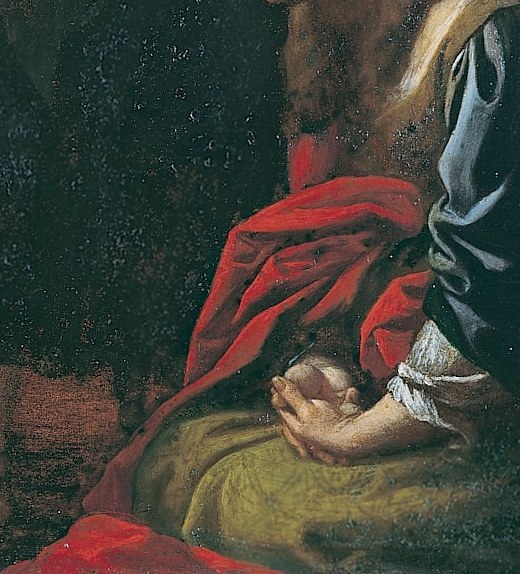
Look at the skin of Christ's torso against the dark copper. Carracci used oil on copper, a demanding surface that shows every brushstroke. The translucent glazes build a luminous, almost marble-like flesh tone that a lesser painter couldn't achieve. When conservators and scholars studied the technique up close, the Badalocchio attribution crumbled.
The painting was originally commissioned by Astorre Sampieri, a powerful clergyman in Bologna. He planned to gift it to an unnamed figure in Rome, but when the work was finished, he refused to part with it. He kept the original for his own collection and sent the Roman recipient a copy, hastily made by Carracci's pupil Guido Reni. That copy is now lost. This one, misattributed for centuries, re-emerged as the real thing.
The Met's purchase turned out to be not a student's exercise but a masterwork that a patron loved too much to give away. What do you make of Carracci's decision to paint on copper rather than canvas?
Details

Transcript
The money story starts with a mistake. In 1998, the Met bought this as a copy by a minor pupil. Look at the grief in the faces. Now look closer at the paint. Oil on copper. A difficult, luminous surface only a master could control. Scholars re-examined it. The copy was the lost original. The original that Astorre Sampieri commissioned, then kept for himself. He sent the intended recipient a copy instead. The copy is lost. This is the painting he couldn't let go.