Giovanni Vincenzo Imperiale by Dyck, Anthony van, Sir
This is Anthony van Dyck's portrait of Giovanni Vincenzo Imperiale, painted in Genoa in 1626. It hangs in the National Gallery of Art, Washington, as a masterclass in aristocratic restraint, but it also contains a vanishing secret.
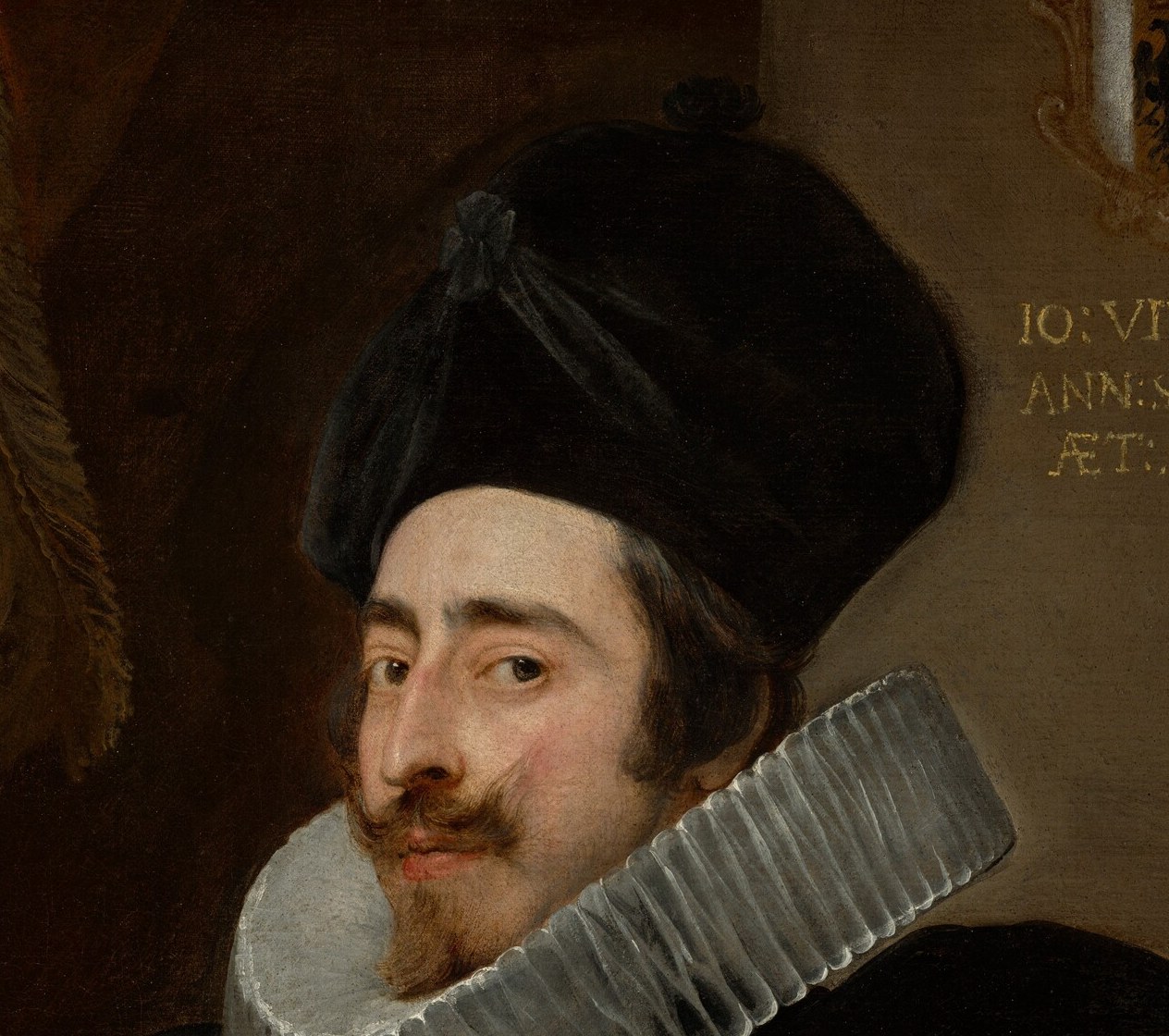
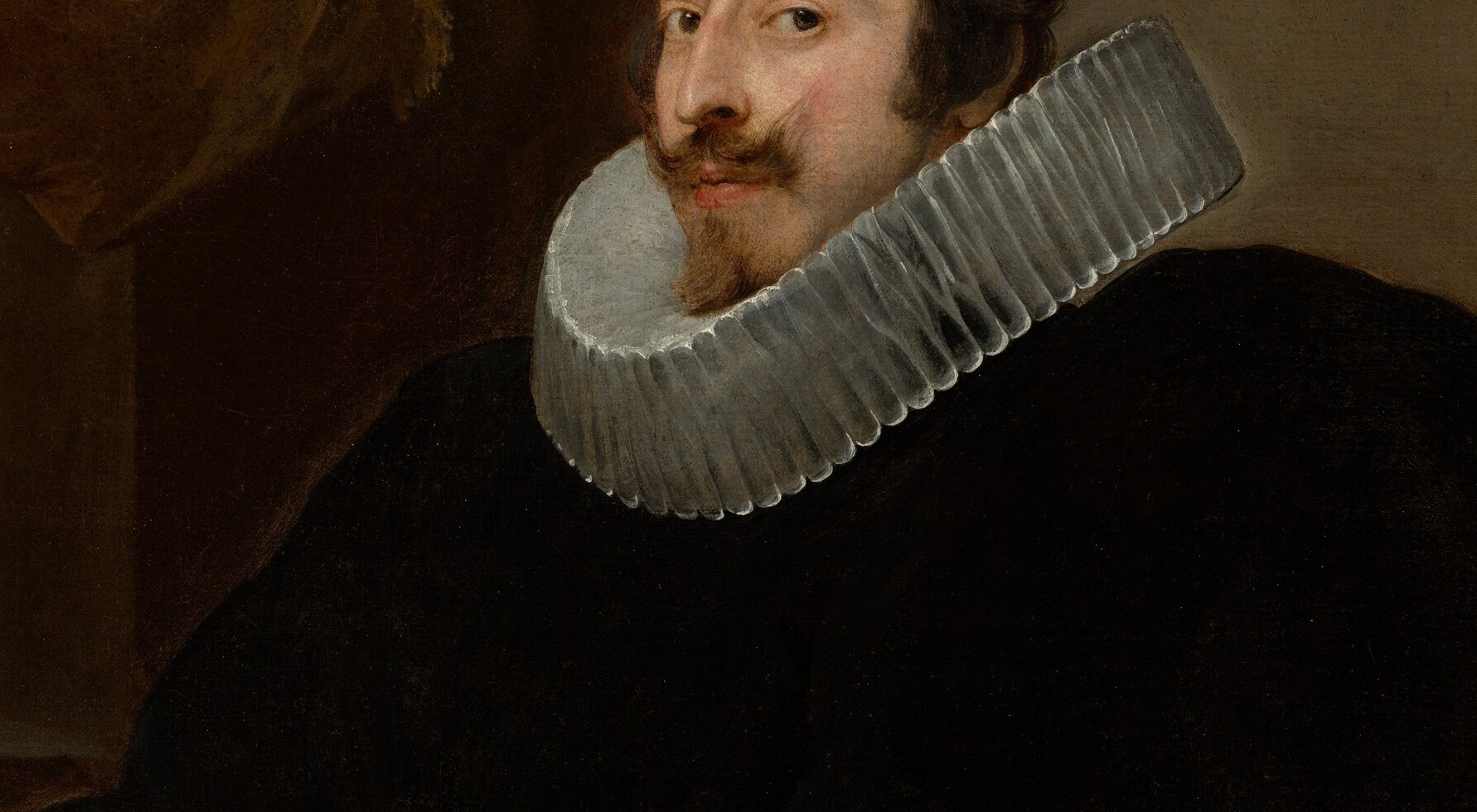
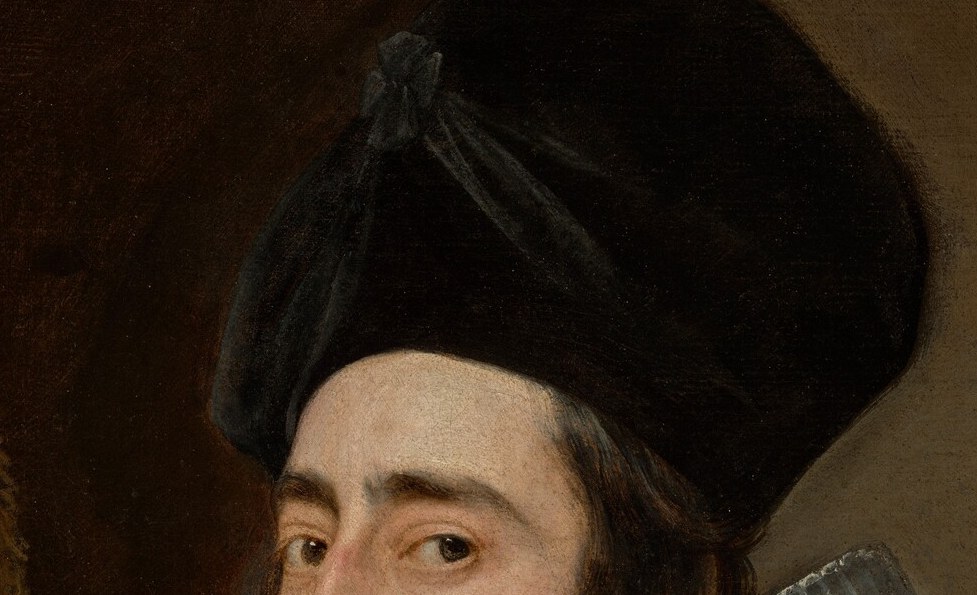
First, look at the man himself. The direct gaze, the relaxed hand resting on his knee, and the explosive white ruff collar are all textbook Van Dyck. He absorbed Titian's colorism in Italy and used it here to make a Genoese statesman look like a philosopher-king.
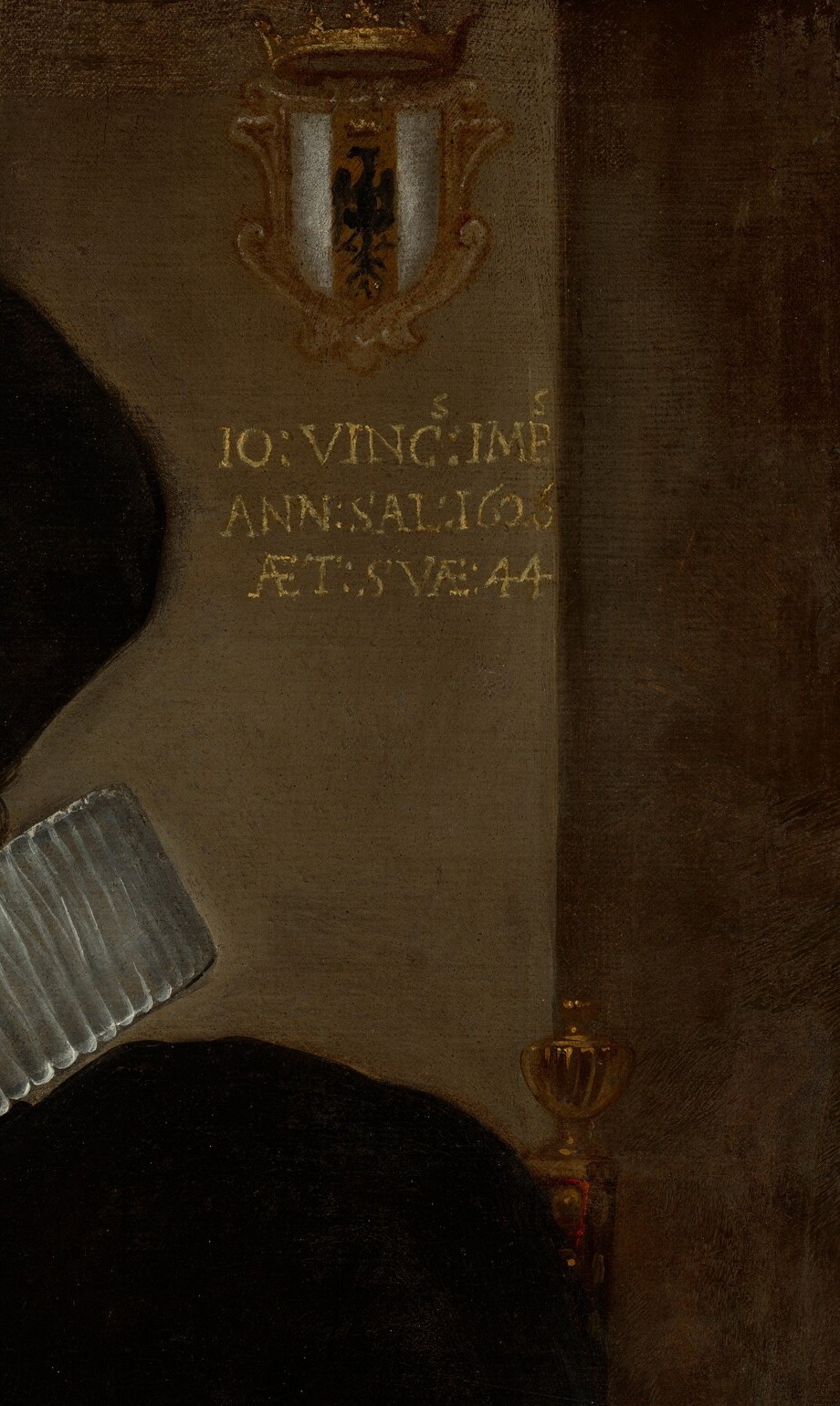
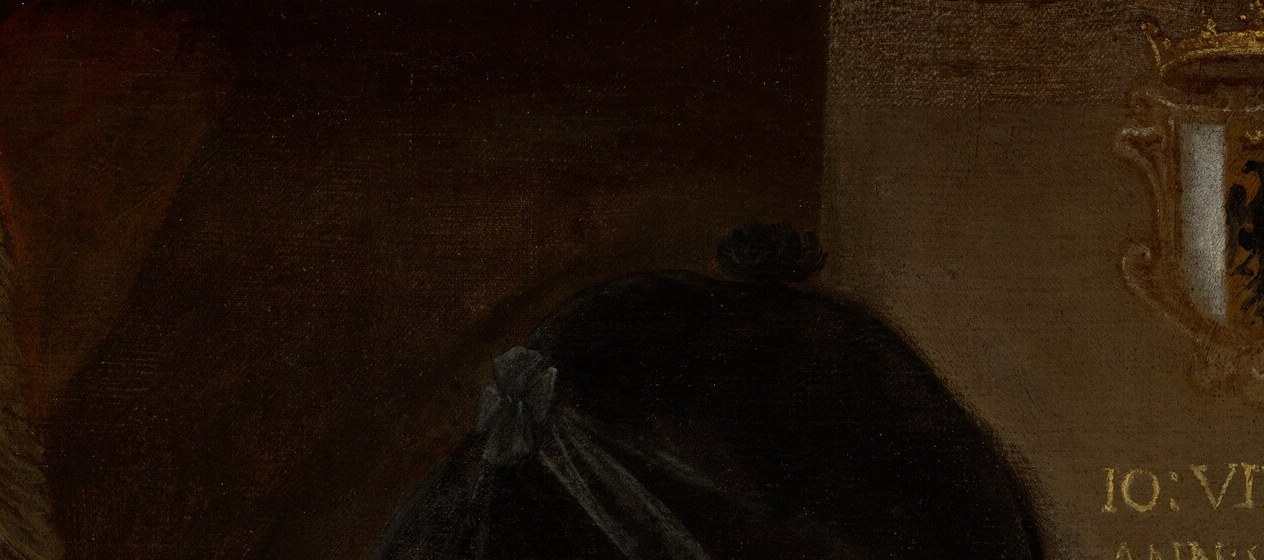
Now find the hidden detail. In the upper right, a lighter passage of paint reads as sky or architecture at a glance. Look closely: a ship's mast and rigging emerge from the murk. It is not decoration. Giovanni Vincenzo Imperiale had just been elected Doge of the Genoese Republic and had personally financed a fleet to defend the city's maritime interests.
The ship is barely there because Van Dyck was too sophisticated to paint a literal advertisement. He dissolved it into shadow, letting the sitter's face carry the authority. The fleet is a ghost, visible only if you know to look for it.
Details
Transcript
A portrait of power and ease. His face is the engine: steady, knowing, alive. That collar is a sunburst of lace. Pure status. To the right, what looks like sky or stone. A faint outline of a ship's mast and rigging. He was the Senate of Genoa's newly elected Doge. The ship is the fleet he personally financed to defend the city.