Bubble-blowing Girl with a Vanitas Still Life by Adriaen van der Werff
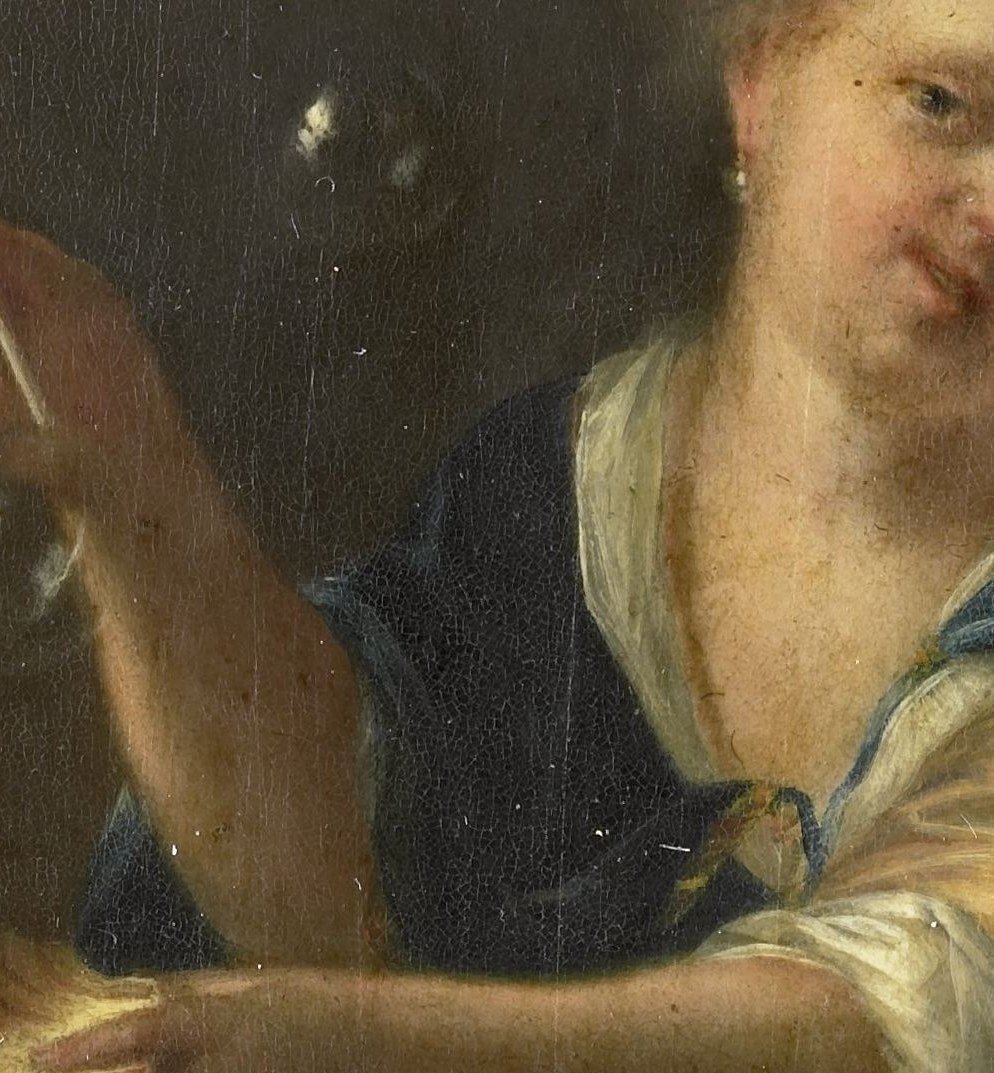
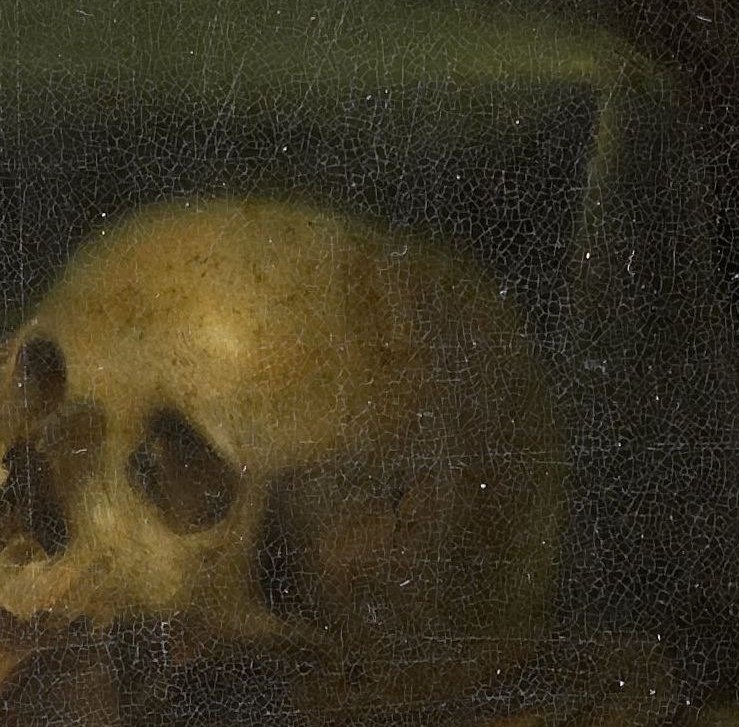
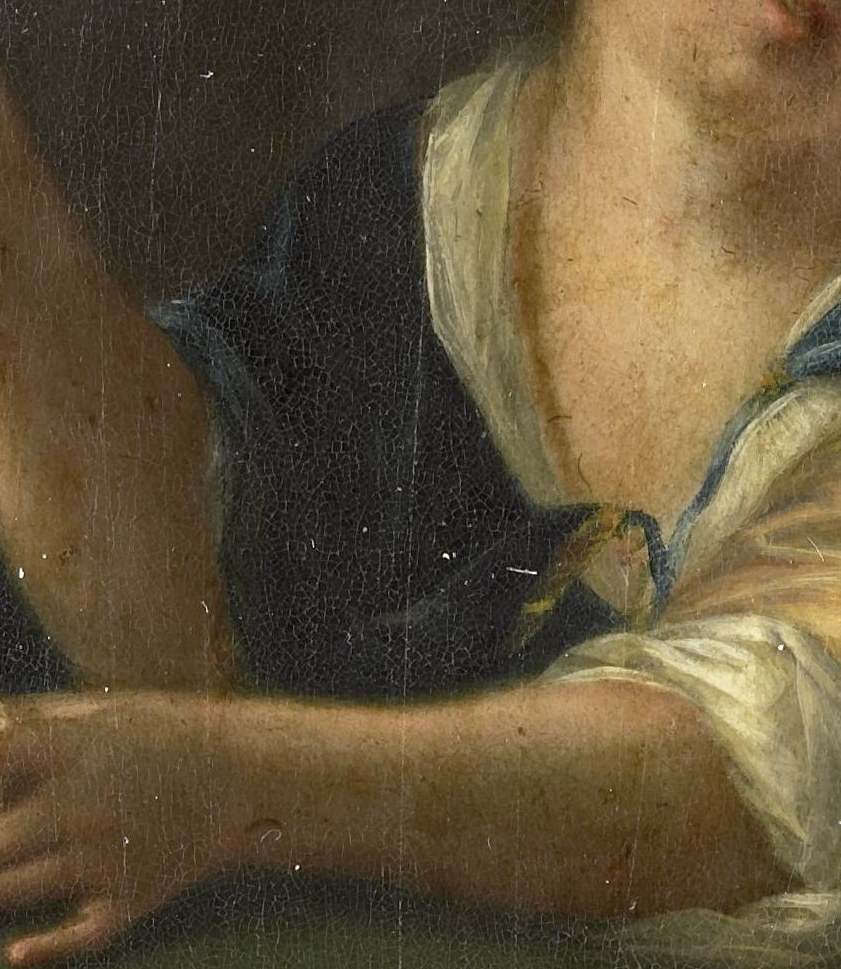
Adriaen van der Werff's "Bubble-blowing Girl with a Vanitas Still Life," painted in 1727, masterfully blends innocence with profound symbolism. The work, rendered on copper, presents a girl engrossed in blowing bubbles, a quintessential image of fleeting childhood joy. This ephemeral act is juxtaposed with stark vanitas elements like a human skull and books, underscoring the transience of life and pleasure.
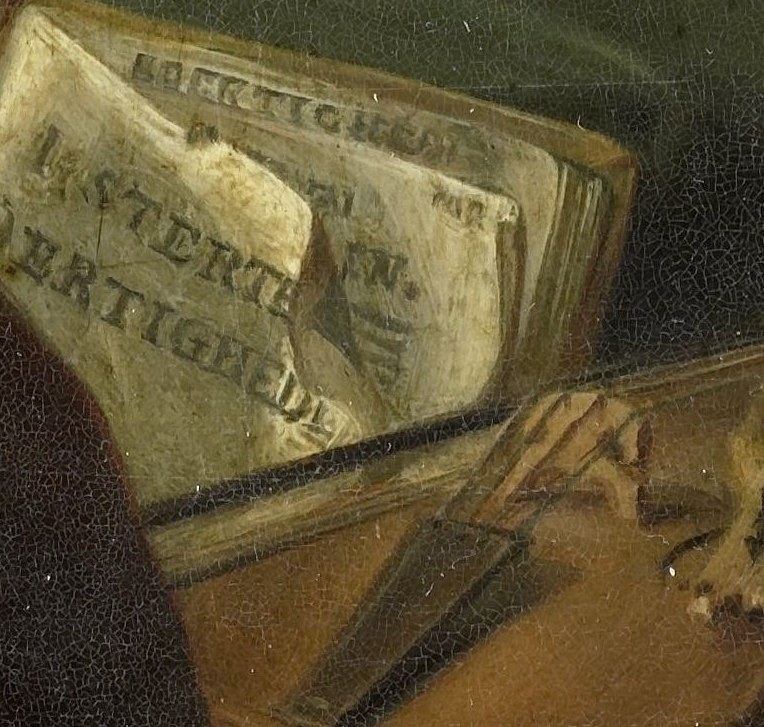
Look closely at the girl's focused expression as she creates a delicate bubble, and the artist's skill in capturing its iridescent sheen on the bubble wand. Notice the stark contrast offered by the human skull placed nearby, a classic reminder of mortality. The inscription 'STERIGHEID' (Sterility) on the paper further deepens the allegorical layers of the painting.
Van der Werff, known for his portraits and mythological scenes, often worked for European nobility, including the Medicis. By 1727, he was a celebrated artist, and this painting showcases his refined technique and his ability to imbue allegorical subjects with both beauty and gravitas. The Rijksmuseum now holds this intricate work.
This painting serves as a potent visual metaphor, urging contemplation on the delicate balance between life's pleasures and its inevitable end.
Details
Transcript
She blows a fragile bubble. Its iridescent skin gleams. But mortality waits close by. The painter was Adriaen van der Werff. He painted this on copper in 1727. The word 'sterility' is written here. Bubbles and skulls, life and death.