Poultry-yard by Melchior d' Hondecoeter
Melchior d'Hondecoeter's "Poultry-yard," painted around 1650, is a masterful display of avian artistry from the Dutch Golden Age, now housed in the State Hermitage Museum. Hondecoeter, a renowned animalier painter, brought an unparalleled level of detail and realism to his bird subjects.
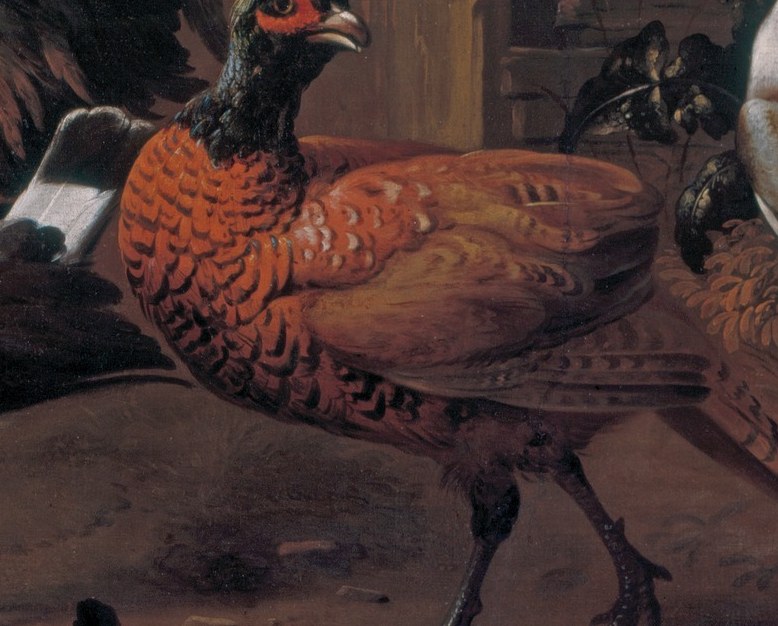
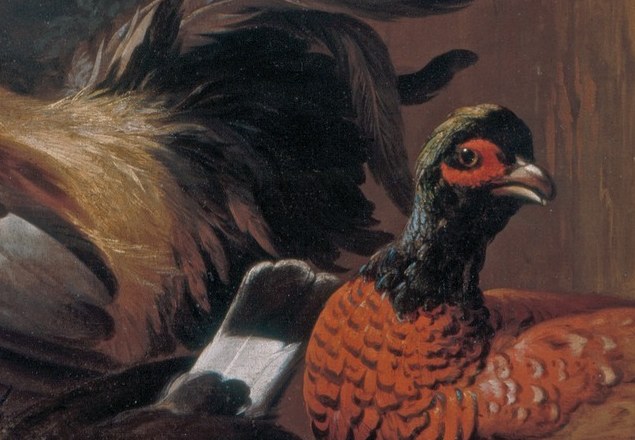
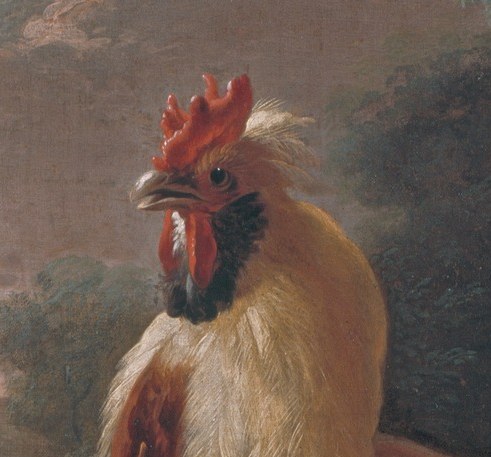
Notice the intricate patterns on the pheasant's body and the shimmering quality of the rooster's tail feathers. The artist's meticulous brushwork makes each feather seem tangible, as if you could reach out and feel its texture. He understood how light interacts with plumage, creating a vibrant sense of three-dimensionality.
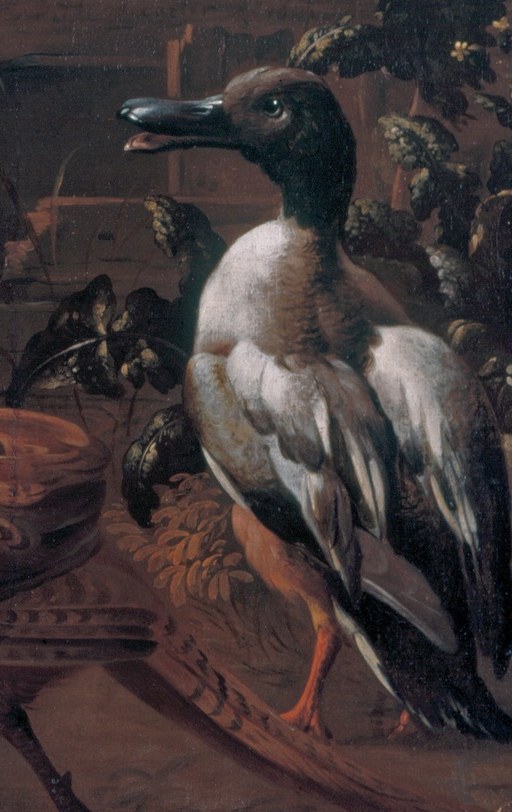
Hondecoeter was known for his precise observation, blending accurate depictions of various species, from domestic hens to exotic pheasants, into lively compositions. This painting reflects the 17th-century Dutch interest in the natural world, transforming a simple farmyard scene into a celebration of life and artistic skill. It remains a testament to his unique talent in the genre.
How do you think he achieved such lifelike textures with paint?
Details
Transcript
This painter was famous for his birds. He captured every feather, every intricate pattern. Look how the light catches the rooster’s iridescent tail. This wasn't just paint, it was observation. He specialized in depicting birds with natural accuracy. Every strand of plumage brought to life with oil paint.